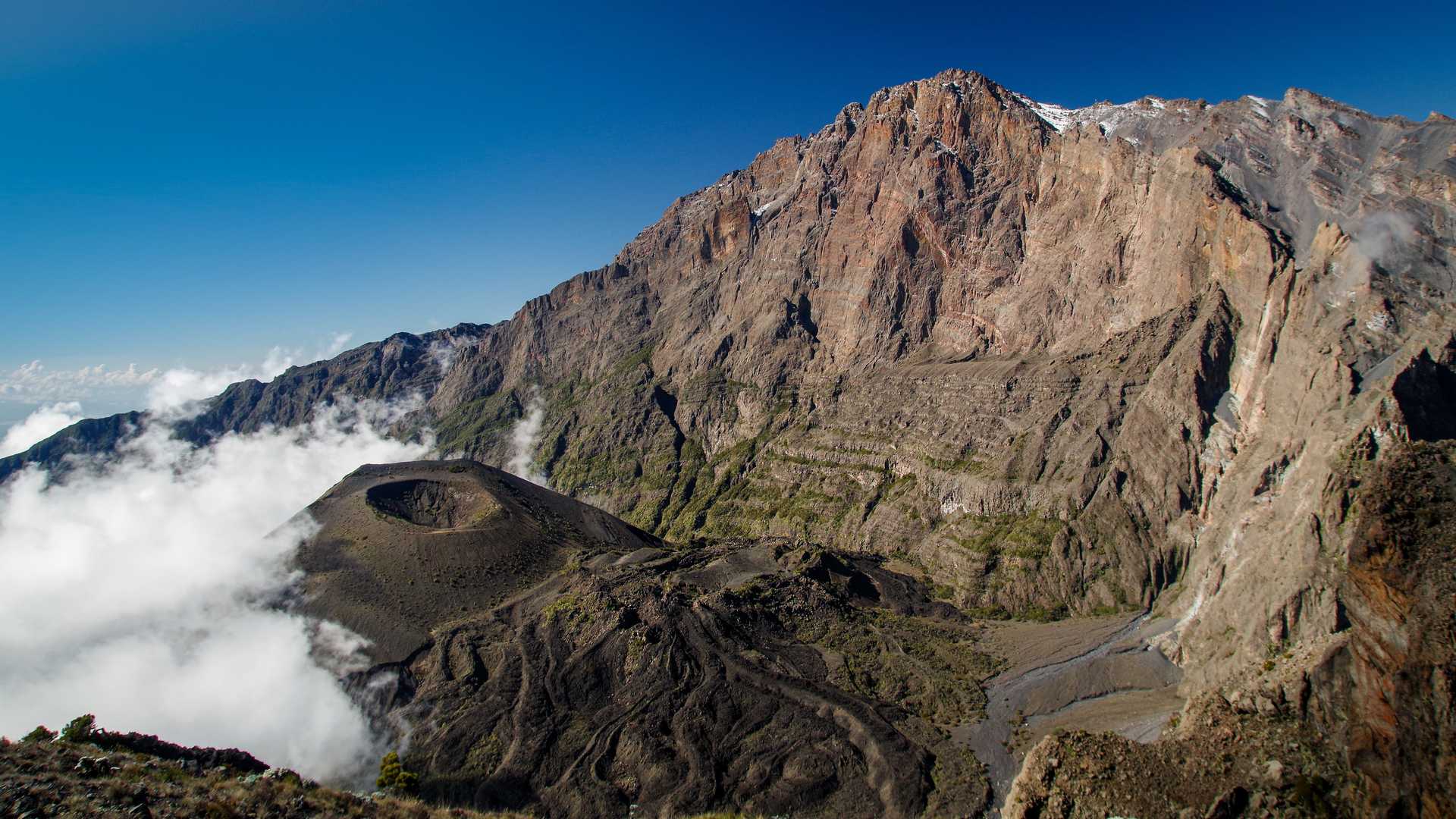
Discover top Mount Meru photo spots, from forest trails to the summit. Capture sunrise, wildlife, volcanic landscapes, and iconic views with Epic Horizons Adventurehttps://www.epichorizonsadventures.com/our-tours/destinations/
Why Mount Meru Is a Photographer’s Paradise
Mount Meru is one of Tanzania’s most underrated photography destinations, yet for photographers who understand light, landscapes, and storytelling, it is an absolute treasure. Standing at 4,566 meters within Arusha National Park, Mount Meru offers an extraordinary combination of dramatic volcanic scenery, rich wildlife, layered ecosystems, and constantly changing light conditions. Unlike more crowded mountains, Meru provides space, silence, and authenticity—three elements that elevate photography from simple image capture to visual storytelling. This is exactly why professional photographers, content creators, and adventurous travelers increasingly search for top mount meru photo spots when planning visually driven expeditions.
One of Mount Meru’s greatest strengths for photography lies in its diversity within a relatively short trekking route. From open savannahs at the base to dense montane forests, rugged ridgelines, crater formations, and alpine zones near the summit, the mountain compresses multiple photographic worlds into a single climb. This diversity allows photographers to create a complete visual narrative—from wildlife and landscapes to abstract textures and atmospheric scenes—without changing locations. Few African mountains offer this level of photographic return per kilometer, making Mount Meru exceptionally appealing to photographers seeking depth and variety in their portfolios.
Light plays a defining role in what makes Mount Meru special. Morning light filters softly through forest canopies, creating dramatic beams and misty atmospheres ideal for moody compositions. Midday brings crisp contrasts, perfect for capturing textures in bark, volcanic rock, and alpine vegetation. Evenings deliver golden-hour hues that wash across ridges and crater walls, often with Mount Kilimanjaro glowing in the distance. These lighting conditions change rapidly with altitude and weather, meaning photographers are constantly presented with fresh creative opportunities. This dynamic interplay of light and landscape is central to why top mount meru photo spots are so sought after by serious visual storytellers.
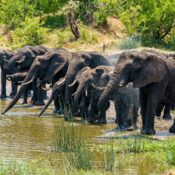
Another key advantage of Mount Meru is its integration of wildlife photography within a trekking environment. On the lower slopes, photographers can capture giraffes moving through open grasslands, buffalo grazing near forest edges, and warthogs trotting across trails—all on foot, not from a vehicle. This creates a rare photographic intimacy, where eye-level perspectives replace distant telephoto shots from safari cars. Combined with careful ranger supervision, these encounters offer safe yet powerful opportunities to document wildlife within its natural habitat, strengthening the visual narrative of top mount meru photo spots as both scenic and alive.
Mount Meru’s volcanic origins add a dramatic geological dimension to photography. Sheer crater walls, ash cones, lava flows, and jagged ridgelines create strong leading lines and bold compositions. These geological features contrast beautifully with soft elements like clouds, mist, and vegetation, allowing photographers to experiment with scale and mood. From wide-angle landscape shots to minimalist compositions focusing on rock textures or silhouettes against the sky, the mountain supports multiple photographic styles. Geological background information from sources like the Smithsonian Global Volcanism Program helps photographers understand and better interpret these formations visually: https://volcano.si.edu.
The forest zones of Mount Meru deserve special mention for photographers who value atmosphere over spectacle. Moss-covered trees, hanging lichens, twisted roots, and filtered light create cinematic scenes reminiscent of fantasy landscapes. These environments are perfect for slow, deliberate photography that emphasizes mood, depth, and detail. Macro photographers also find endless subjects here, from fungi and insects to dew-covered leaves. Such intimate details add depth to photo stories and differentiate Meru-based portfolios from more common mountain imagery. This forest richness further reinforces the reputation of top mount meru photo spots as versatile and creatively rewarding.
Human elements also contribute meaningfully to Mount Meru photography. Porters moving rhythmically along trails, guides pointing out wildlife, and trekkers silhouetted against ridges all add scale and narrative context to images. When captured respectfully, these moments communicate adventure, teamwork, and cultural authenticity. At Epic horizons Adventure we are looking extra miles to make sure…. that photography remains ethical, respectful, and aligned with park regulations, ensuring that both people and nature are represented with dignity and accuracy in every image captured on the mountain.
From a content creation and SEO perspective, Mount Meru’s photographic appeal aligns perfectly with modern travel search trends. Visual inspiration drives a significant portion of travel planning today, especially on platforms like Google Images, Instagram, and Pinterest. Blogs that explain where and why to capture iconic images perform well because they answer highly specific user intent. By clearly establishing Mount Meru as a visual powerhouse and explaining the photographic value of its landscapes, wildlife, and light conditions, this section builds strong topical authority around top mount meru photo spots, which is essential for long-term Google ranking.
Another factor that enhances Mount Meru’s photographic value is its relative quiet compared to Kilimanjaro. Fewer climbers mean fewer distractions, cleaner compositions, and more freedom to wait for perfect light or wildlife behavior. Photographers can take their time setting up shots without crowds in the frame, which is increasingly rare in popular trekking destinations worldwide. This sense of exclusivity and creative freedom adds to the mountain’s appeal for professionals and serious hobbyists alike.
Weather patterns on Mount Meru also contribute to its photographic charm. Clouds often form below or around the mountain, creating dramatic inversions where peaks rise above a sea of white. Sudden breaks in cloud cover reveal sweeping views or shafts of light that last only minutes, rewarding patience and readiness. These fleeting moments often become the most memorable images of a trek. Understanding and anticipating such conditions is part of mastering top mount meru photo spots, turning chance encounters into intentional visual success.
In summary, Mount Meru is a photographer’s paradise because it offers diversity, atmosphere, wildlife, geology, and light—all within a protected, relatively uncrowded environment. It supports multiple photography styles, from landscape and wildlife to macro and documentary storytelling. Combined with responsible guiding and conservation-focused tourism, the mountain allows photographers to capture powerful images without compromising ecological integrity. This foundation sets the stage for exploring specific locations in later sections, where individual viewpoints, trails, and elevations will be broken down in detail. For anyone seeking top mount meru photo spots, understanding why the mountain works so well visually is the first step toward capturing images that truly stand out.
Best Lower Slope and Forest Photography Spots
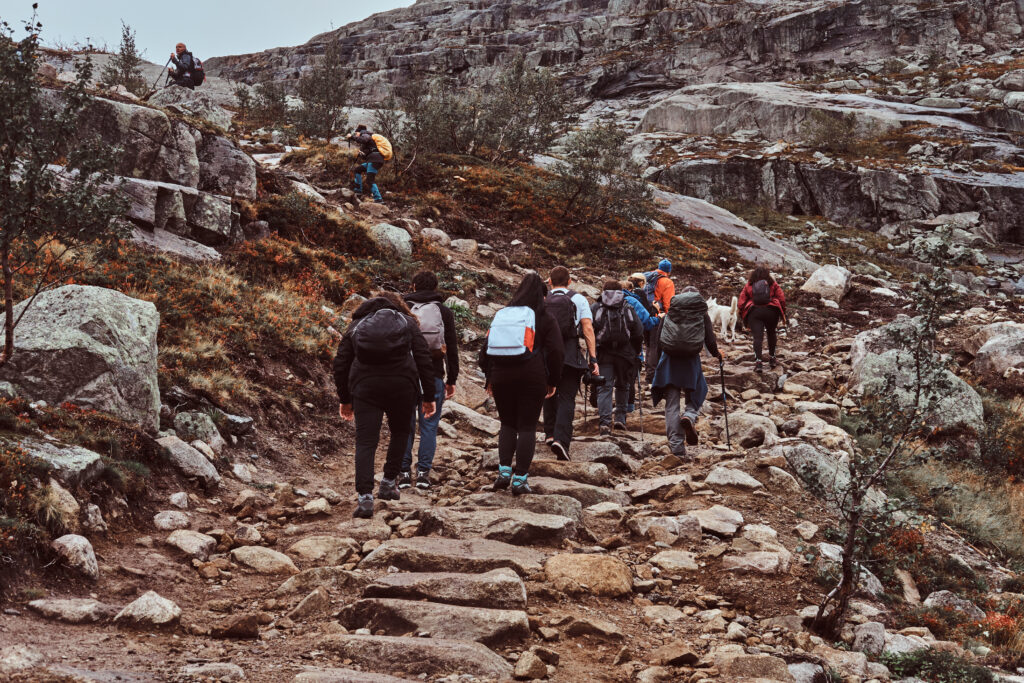
The lower slopes and forest zones of Mount Meru are where photography truly begins to feel immersive. This part of the mountain sits inside Arusha National Park and combines open grasslands, riverine forests, and dense montane woodland into one visually rich environment. For photographers, these lower elevations are not just a warm-up before higher viewpoints; they are a complete visual destination on their own. Light behaves differently here, wildlife is more abundant, and textures are softer and more intimate. Anyone researching top mount meru photo spots quickly discovers that many of the most emotionally powerful images are captured long before reaching high altitude.
Savannah–Forest Transition Zones
One of the most photogenic environments on Mount Meru is the transition between open savannah and forest. These areas, found near the park entrance and early trekking stages, provide wide-angle opportunities where trees frame distant hills and wildlife moves freely across open spaces. Giraffes silhouetted against early morning skies, buffalo grazing with Mount Meru rising behind them, and warthogs crossing dusty paths all make for compelling compositions. Unlike vehicle-based safaris, photography here is done on foot with ranger supervision, allowing for lower camera angles and more intimate storytelling.
The savannah-forest edge is also ideal for sunrise photography. As the sun lifts above the horizon, warm light spills across grasslands while forest edges remain in shadow, creating natural contrast and depth. This is where photographers can experiment with leading lines, layered compositions, and scale. These transitional environments are a defining feature of top mount meru photo spots, blending classic African safari imagery with mountain trekking aesthetics.
For reference on wildlife-rich trekking environments like these, Arusha National Park resources provide useful ecological context:
https://www.tanzaniaparks.go.tz/national_parks/arusha-national-park
Riverine Forests and Water Features
Lower Mount Meru is crossed by seasonal streams and small rivers that support lush riverine forests. These areas are particularly valuable for photography because water introduces reflections, motion, and life into compositions. Tree roots twisting into riverbanks, filtered light reflecting off shallow pools, and birds bathing along the edges all create dynamic visual scenes.
Riverine forests are especially productive during early morning hours when mist hangs low and light is soft. Long exposures can be used to smooth moving water, while faster shutter speeds freeze birds and insects in motion. The presence of water also attracts wildlife, increasing the chances of capturing animals in natural behavior rather than posed or static positions. These subtle, story-driven images are what elevate top mount meru photo spots beyond simple scenic viewpoints.
Dense Montane Forest Interiors
As trekkers move deeper into the forest, the environment shifts from open spaces to enclosed, cathedral-like woodland. Tall trees, moss-covered trunks, hanging lichens, and tangled roots define this zone. From a photographic standpoint, this is where atmosphere becomes more important than scale. Light filters through the canopy in narrow beams, creating dramatic contrasts and a sense of mystery.
This environment is ideal for photographers who enjoy cinematic, moody compositions. Using natural frames created by branches or tree trunks, photographers can guide the viewer’s eye into the image. Fog and mist often roll through these forests, especially in the morning and late afternoon, adding layers and depth. Such conditions are perfect for storytelling images that communicate mood, solitude, and exploration—key qualities associated with top mount meru photo spots.
For photographers interested in forest ecology and visual interpretation, the WWF provides insight into the importance of East African montane forests:
https://www.worldwildlife.org/biomes/montane-forests
Wildlife Photography in Forest Zones
While large mammals are more common on the lower open slopes, forest zones host an entirely different photographic cast. Black-and-white colobus monkeys leaping between branches, blue monkeys feeding quietly, and forest birds moving through foliage provide constant opportunities for action shots. These animals are often partially obscured by vegetation, challenging photographers to work with depth, framing, and selective focus.
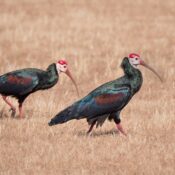
Bird photography is especially rewarding in forest environments. Species such as turacos, hornbills, and sunbirds add vibrant color to otherwise green-dominated scenes. Patience is key here—waiting for birds to land in patches of light or against clean backgrounds dramatically improves image quality. These forest-based wildlife encounters are a core reason photographers value top mount meru photo spots for portfolio diversity.
Macro and Detail Photography
Lower Mount Meru is a paradise for macro and detail-focused photographers. Fungi growing on fallen logs, dew-covered leaves, textured bark, insects, and wildflowers provide endless small-scale subjects. These details are often overlooked by trekkers focused on summits but are essential for building a complete visual narrative.
Macro photography here benefits from diffused forest light, which reduces harsh shadows and preserves color accuracy. Even without dedicated macro lenses, close-up shots using standard lenses can yield strong results due to the density of visual material. Including these intimate images alongside wide landscapes helps photographers tell a richer story of top mount meru photo spots, one that emphasizes biodiversity and texture rather than just grand views.
Human Elements and Cultural Context
Lower slopes are also where most human activity occurs, making them ideal for documentary-style photography. Porters preparing loads, guides scanning trails for wildlife, and trekkers interacting with the environment all provide opportunities to capture the human side of adventure travel. When photographed respectfully, these moments add scale and narrative depth.
At Epic horizons Adventure we are looking extra miles to make sure…. that photography involving people is conducted ethically, with consent and cultural sensitivity. This approach not only aligns with responsible tourism principles but also results in more authentic and meaningful images.
Light Management and Timing
Photographing lower Mount Meru successfully requires understanding light behavior in forested environments. Early mornings offer the best conditions, with soft light and increased wildlife activity. Midday light can be harsh in open areas but still effective within forests where the canopy diffuses sunlight. Late afternoons often bring dramatic side lighting and increased atmospheric effects such as mist.
Photographers who plan their shooting schedule around these light patterns consistently produce stronger images. This strategic approach is essential for maximizing the potential of top mount meru photo spots, especially in environments where conditions change quickly.
Why Lower Slopes Matter for the Overall Photo Story
Many photographers make the mistake of focusing only on summits and high viewpoints. On Mount Meru, this approach misses a huge portion of the mountain’s visual identity. The lower slopes and forests provide context, narrative buildup, and emotional grounding for the entire trek. They introduce viewers to the environment, wildlife, and atmosphere that make higher elevations meaningful.
From an SEO and content perspective, explaining these locations in detail adds significant value for readers. People searching for photography advice want specific, experience-based guidance—not generic statements. By highlighting why and how to photograph these environments, this section strengthens topical authority around top mount meru photo spots and encourages longer engagement with the content.
Conclusion
The lower slopes and forest zones of Mount Meru are among the most versatile and rewarding photography environments on the mountain. From wildlife-rich savannah edges and misty riverine forests to dense woodland interiors and intricate macro subjects, these areas offer endless creative possibilities. They form the visual foundation of any successful Mount Meru photography journey and play a critical role in telling a complete story of the mountain. For photographers seeking depth, atmosphere, and authenticity, these environments confirm why top mount meru photo spots begin well before the climb reaches higher altitude.
Mid-Altitude Viewpoints, Crater Views, and Dramatic Landscape Photography
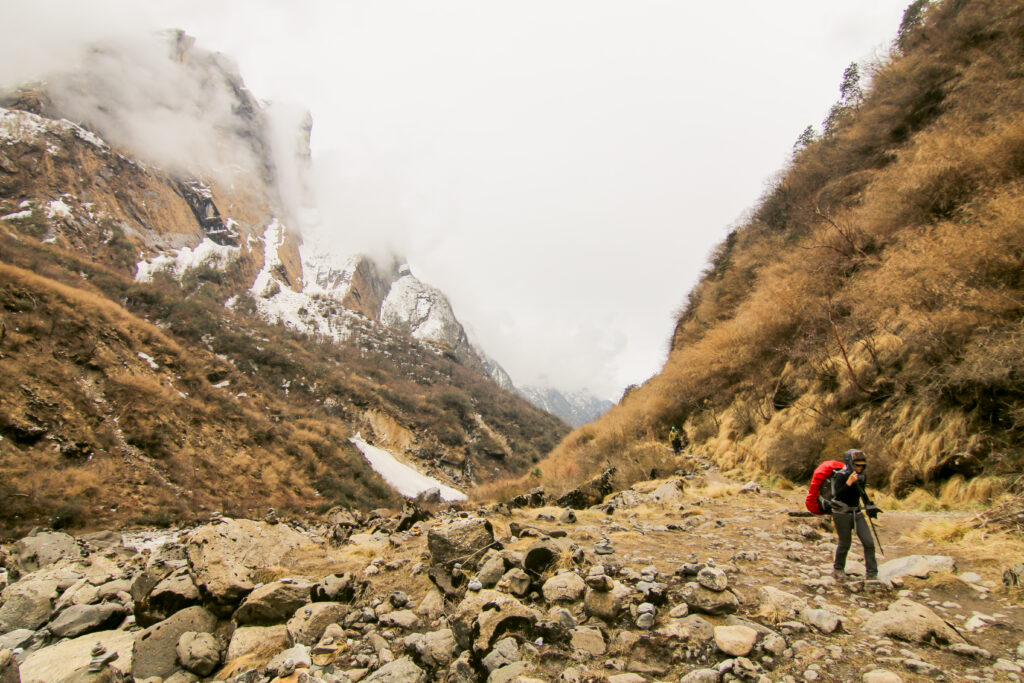
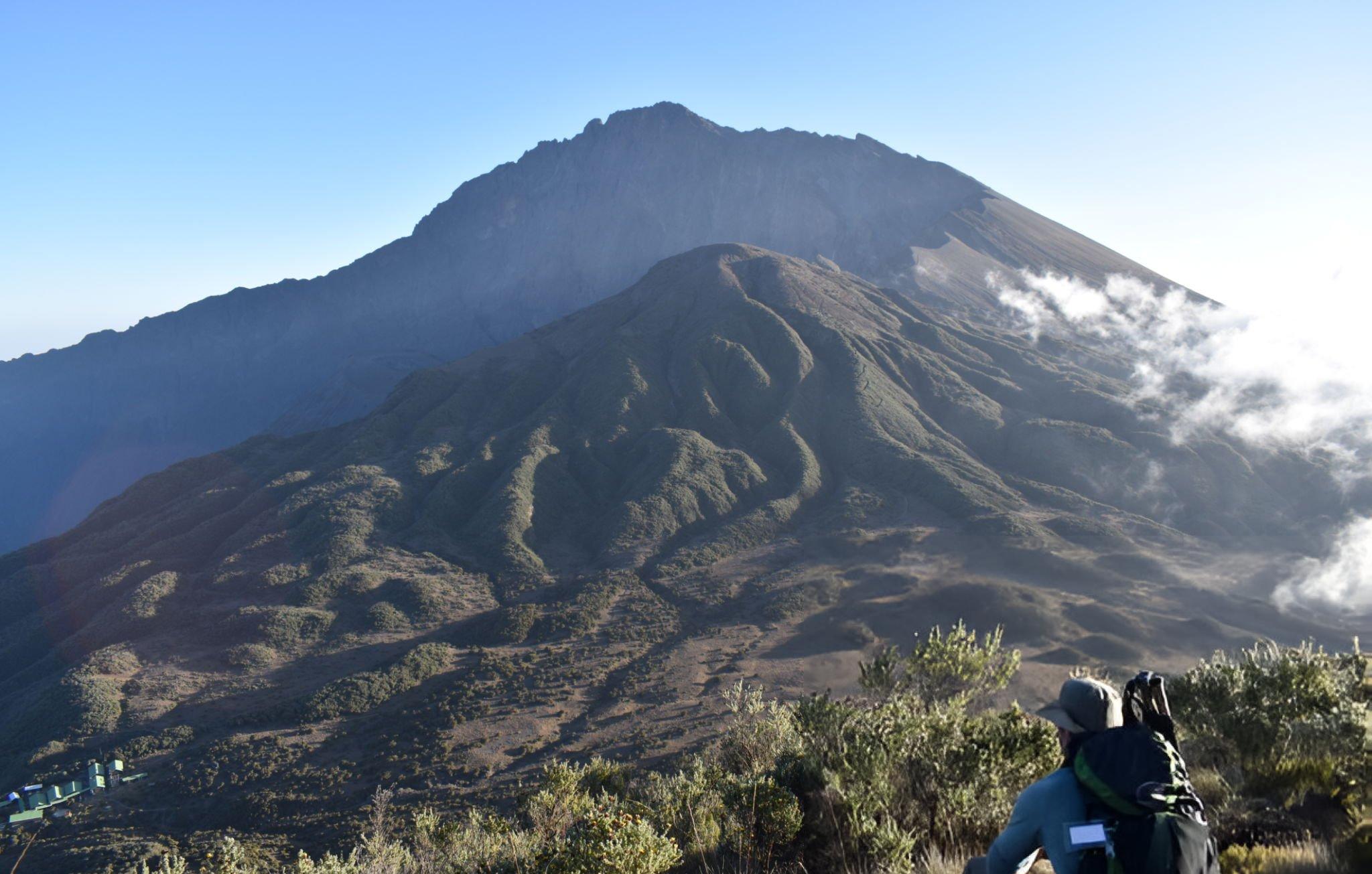
As the trek progresses beyond the dense forests of the lower slopes, Mount Meru opens into its most visually dramatic and emotionally powerful zone: the mid-altitude region. This is where landscapes begin to feel expansive, light becomes more sculptural, and the mountain’s volcanic identity reveals itself clearly. For photographers, this zone represents the true heart of top Mount Meru photo spots. It is the stage where scale, depth, geology, wildlife, and sky all interact to create images that feel both wild and cinematic.
Mid-altitude photography on Mount Meru is not about a single viewpoint; it is about a sequence of evolving scenes. Every hour of ascent changes perspective, background, and light direction. This constant transformation is what makes this section so valuable for photographers seeking variety and storytelling depth.
Transition from Forest to Alpine Heath
One of the most photogenic transitions on Mount Meru occurs as the thick forest gradually gives way to alpine heath and open rocky slopes. Trees thin out, vegetation becomes shorter and more sculptural, and the horizon begins to widen. From a photographic standpoint, this transition is gold. It allows photographers to capture contrast—lush green foregrounds fading into rugged volcanic terrain.
Shrubs such as giant heathers and senecios become dominant visual elements. Their twisted shapes add character and scale to compositions, especially when placed against distant ridgelines or the crater walls. This zone is perfect for mid-range focal lengths, where photographers can balance subject detail with environmental context. Many iconic images associated with top Mount Meru photo spots are taken precisely in this transitional altitude band.
For background on alpine heath ecosystems in East Africa, this resource provides valuable context:
https://www.britannica.com/science/alpine-vegetation
Crater Rim Perspectives
As trekkers approach the crater rim, Mount Meru’s volcanic nature becomes unmistakable. The massive horseshoe-shaped crater dominates the landscape, offering dramatic drops, jagged edges, and sweeping views into the volcanic interior. This is one of the most powerful photographic environments on the entire mountain.
Crater rim photography is all about perspective and depth. Shooting along the rim emphasizes scale and danger, while looking inward highlights geological textures and shadows. Early morning and late afternoon are ideal, as low-angle light accentuates ridges, cracks, and contours. Clouds often drift through the crater, adding movement and mood to images. These conditions create some of the most recognizable visuals linked to top Mount Meru photo spots.
Because wind exposure is higher here, photographers must stabilize their equipment and plan shots carefully. Tripods are useful, but handheld shooting with faster shutter speeds is often more practical. The reward is a set of images that feel raw, powerful, and unmistakably volcanic.
For an overview of Mount Meru’s geological structure, this reference is helpful:
https://www.usgs.gov/programs/VHP/volcano-hazards-program
Ash Cone and Volcanic Textures
One of Mount Meru’s most distinctive features is its ash cone, visible from several mid-altitude viewpoints. The textures here—loose volcanic ash, dark rock fragments, and sharp contrasts between light and shadow—are ideal for abstract and detail-focused photography. This environment challenges photographers to move beyond classic postcard shots and explore form, pattern, and repetition.
Using side lighting, photographers can emphasize surface texture and depth. Wide-angle lenses capture the vastness of the volcanic slopes, while telephoto lenses isolate patterns in ash and rock. These kinds of images are increasingly popular in editorial and fine-art photography and add uniqueness to any portfolio centered on top Mount Meru photo spots.
Wildlife Encounters at Mid Altitude
Although wildlife becomes less abundant as elevation increases, mid-altitude Mount Meru still offers unique wildlife photography opportunities. Species such as mountain reedbuck, hyraxes, and birds of prey are commonly seen in this zone. Unlike lower slopes, wildlife here is often encountered against open, uncluttered backgrounds, making clean compositions easier.
Bird photography is particularly rewarding. Raptors soaring along thermal currents near the crater rim provide dynamic action shots. Using fast shutter speeds and continuous autofocus, photographers can capture dramatic silhouettes against the sky. These images add motion and life to landscape-heavy collections and reinforce the diversity of top Mount Meru photo spots.
For bird species commonly found in Arusha National Park, this guide is useful:
https://www.audubon.org/field-guide
Cloud Inversions and Atmospheric Drama
One of the most sought-after photographic conditions on Mount Meru is the cloud inversion. At mid altitude, it is common to find clouds filling the valleys below while higher ridges remain clear. This creates a surreal “sea of clouds” effect, with peaks and ridgelines appearing like islands.
These moments are often short-lived, requiring readiness and quick decision-making. Photographers who stay alert during early mornings are most likely to capture them. Cloud inversions add a dreamlike quality to images and are a defining feature of many iconic top Mount Meru photo spots. Including a human figure or trekking trail in the foreground can enhance scale and narrative impact.
Mount Kilimanjaro Views from Meru
One of the most famous mid-altitude photo opportunities on Mount Meru is the view of Mount Kilimanjaro rising in the distance. On clear mornings, Kilimanjaro appears perfectly framed across the plains, often with clouds drifting around its base. This visual pairing of Tanzania’s two iconic mountains is extremely powerful and highly sought after by photographers.
Composing this shot effectively requires patience and timing. Kilimanjaro is usually clearest just after sunrise before clouds build up. Using a telephoto lens compresses distance and makes Kilimanjaro appear larger in the frame, while wide-angle shots emphasize the scale of the surrounding landscape. These images are central to why Mount Meru is considered one of the top Mount Meru photo spots destinations for mountain photography.
For more on Kilimanjaro visibility patterns, see:
https://www.climbing-kilimanjaro.com/mount-kilimanjaro-weather/
Trails, Ridges, and Leading Lines
Mid-altitude trails on Mount Meru often follow ridgelines and contour paths that naturally guide the eye through the frame. These trails are perfect leading lines, drawing viewers into the image and toward distant peaks or crater walls. Including trekkers on these paths adds scale and a sense of journey.
Photographers can experiment with both horizontal and vertical compositions here. Vertical framing works especially well when emphasizing steep ascents and dramatic drops. These compositional techniques are a key reason why mid-altitude zones dominate discussions of top Mount Meru photo spots among professional photographers.
Changing Light and Weather Dynamics
Weather becomes more dynamic at mid altitude. Light shifts quickly as clouds move in and out, creating constantly changing conditions. While this can be challenging, it also offers creative opportunities. Dramatic shadows, shafts of light, and sudden bursts of color are common.
Successful photographers embrace this unpredictability rather than fighting it. Keeping cameras accessible and settings adaptable is essential. The ability to respond quickly to changing conditions often separates average images from exceptional ones in top Mount Meru photo spots.
Storytelling Through Sequence
Mid-altitude photography is not about isolated shots; it is about sequence. Images taken here often serve as the visual bridge between lush lower slopes and the stark summit environment. Capturing a series of images—transitioning vegetation, widening views, volcanic textures, and distant peaks—allows photographers to tell a complete story of ascent.
From a content and SEO perspective, this storytelling approach resonates strongly with readers. It answers not just where to take photos, but why these places matter. This depth of explanation strengthens authority around top Mount Meru photo spots and keeps audiences engaged longer.
Conclusion
The mid-altitude zone of Mount Meru is where photography reaches its most dramatic and expressive form. From crater rim views and volcanic textures to cloud inversions, wildlife encounters, and iconic Kilimanjaro vistas, this region offers unmatched visual diversity. It is the section of the mountain where effort meets reward, and where many of the most memorable images are created. For anyone serious about capturing the essence of Mount Meru, mastering these mid-altitude environments is essential—and it is here that top Mount Meru photo spots truly come alive.
Summit Area Photography – Sunrise, High-Altitude Landscapes, and Extreme Conditions
The summit zone of Mount Meru represents the most challenging yet rewarding environment for photography. This is where physical endurance, mental focus, and creative vision come together. For photographers, the summit area is not only about reaching the highest point but about capturing moments that feel rare, powerful, and deeply emotional. Many of the most iconic images associated with top Mount Meru photo spots are created in this final high-altitude section, especially during sunrise and early morning hours.
At this elevation, the environment becomes stark and minimalist. Vegetation is almost nonexistent, the air is thinner, and the landscape is dominated by volcanic rock, ash, steep ridges, and expansive skies. This simplicity allows photographers to focus on form, light, and scale without visual distractions.
Pre-Dawn Ascent and Night Photography
Summit day on Mount Meru usually begins in the early hours of the morning, often between midnight and 2:00 a.m. While most trekkers focus only on reaching the top, photographers have a unique opportunity to capture night and pre-dawn scenes that are rarely seen. Headlamps forming a glowing line along the ridge create dramatic compositions that convey effort, scale, and movement.
Long-exposure photography at this stage can capture star-filled skies above the mountain silhouette. On clear nights, the Milky Way may be visible, adding a celestial element to images taken at top Mount Meru photo spots near the summit. Tripods are essential here, but photographers must balance stability with the cold and wind that characterize this zone.
For tips on mountain night photography, this guide is useful:
https://photographylife.com/landscape-photography-at-night
Sunrise at the Summit
Sunrise is the defining photographic moment of the Mount Meru summit experience. As the sun rises over the horizon, light spills across the volcanic terrain, revealing textures, shadows, and colors that change minute by minute. This is one of the most emotionally powerful moments on the mountain and a highlight of top Mount Meru photo spots.
From the summit, photographers can capture sweeping views of the surrounding plains, nearby peaks, and distant Mount Kilimanjaro glowing in early morning light. The contrast between warm sunrise colors and the cool tones of volcanic rock creates striking visual tension. Wide-angle lenses are ideal for capturing the vastness of the scene, while telephoto lenses help isolate distant peaks and cloud formations.
Understanding sunrise timing is critical. Photographers should be in position well before the first light appears. For accurate sunrise times and planning, this resource is helpful:
https://www.timeanddate.com/sun/tanzania/arusha
Mount Kilimanjaro from the Summit
One of the most celebrated summit photographs on Mount Meru is the view of Mount Kilimanjaro in the distance. From this elevated vantage point, Kilimanjaro appears majestic and unobstructed, often rising above a sea of clouds. This pairing of Tanzania’s two iconic mountains is one of the reasons Mount Meru is regarded as home to some of the top Mount Meru photo spots.
Capturing Kilimanjaro from the summit requires clear weather and precise timing. Early morning offers the best visibility before clouds form. Using a telephoto lens compresses distance and enhances Kilimanjaro’s presence in the frame, while including foreground elements such as rocks or trekkers adds depth and scale.
For more information on Kilimanjaro’s geography and prominence, see:
https://www.nationalgeographic.com/travel/article/mount-kilimanjaro
Volcanic Formations and Minimalist Compositions
The summit area of Mount Meru is dominated by volcanic formations—sharp ridges, loose ash, and exposed rock faces. This environment is ideal for minimalist photography, where composition relies on shape, contrast, and negative space rather than color or vegetation.
Photographers can experiment with black-and-white imagery to emphasize texture and form. Shadows cast by early morning light create strong lines that guide the viewer’s eye across the frame. These minimalist images are increasingly popular in editorial and fine-art contexts and are a defining feature of top Mount Meru photo spots at high altitude.
Extreme Weather and Atmospheric Effects
Weather conditions at the summit can change rapidly. Strong winds, sudden cloud cover, and dropping temperatures are common. While challenging, these conditions also create unique photographic opportunities. Wind-driven clouds, mist rolling over ridges, and dramatic sky patterns add atmosphere and emotion to images.
Photographers who embrace these conditions often produce the most memorable work. Protecting equipment from cold and dust is essential, as is maintaining personal safety. Gloves that allow camera control, weather-sealed cameras, and lens hoods are highly recommended. These preparations allow photographers to fully take advantage of top Mount Meru photo spots even in harsh conditions.
For high-altitude weather awareness, this reference provides useful insight:
https://www.mountain-forecast.com/peaks/Mount-Meru/forecasts/4566
Human Presence and Storytelling
Including people in summit photographs adds narrative depth. Trekkers celebrating, resting, or simply standing in awe of the view create powerful storytelling images. These moments communicate achievement, exhaustion, and joy—emotions that resonate strongly with audiences.
From an SEO and content perspective, images showing human experience at top Mount Meru photo spots perform exceptionally well because they connect viewers emotionally to the journey. These visuals are ideal for blogs, social media, and promotional materials for trekking companies.
At this critical point in the journey, it is important to highlight professional support and guiding expertise. Epic horizons Adventure we are looking extra miles to make sure…. climbers not only reach the summit safely but also have the time, guidance, and positioning needed to capture unforgettable photographs from the most iconic locations on Mount Meru.
Safety, Ethics, and Environmental Responsibility
Summit photography must always respect safety and environmental ethics. Staying on designated paths, avoiding loose edges, and minimizing environmental impact are essential. Photographers should never compromise safety for a shot, no matter how appealing the composition may seem.
Responsible photography helps preserve top Mount Meru photo spots for future generations. This aligns with broader conservation principles promoted within Arusha National Park and international mountain tourism standards
Conclusion
The summit area of Mount Meru is where photography becomes a true test of preparation, patience, and creativity. From pre-dawn ascents and star-filled skies to golden sunrises, volcanic minimalism, and iconic views of Mount Kilimanjaro, this zone delivers some of the most powerful images the mountain has to offer. It is here that effort is transformed into visual legacy, and where top Mount Meru photo spots reach their ultimate expression.