Discover what makes Tanzania unique for travellers, from world-class safaris and culture to Kilimanjaro and beaches, with Epic Horizons Adventure.https://www.epichorizonsadventures.com/our-tours/destinations/
Unmatched Natural Diversity and Landscapes Found Nowhere Else
Tanzania stands apart on the global travel map because of its extraordinary natural diversity, offering travellers an unmatched combination of landscapes, ecosystems, and wildlife experiences within a single country. From vast savannahs and snow capped mountains to tropical islands and ancient forests, the geographical range found here is exceptionally rare. This diversity is the foundation of what makes Tanzania unique for travellers who seek immersive, once in a lifetime journeys rather than ordinary holidays.
One of Tanzania’s most defining features is its world renowned national parks and conservation areas. The Serengeti National Park, a UNESCO World Heritage Site, is globally celebrated for the Great Wildebeest Migration, where millions of animals move across open plains in a dramatic cycle of survival. Witnessing this phenomenon places travellers at the center of one of nature’s most powerful spectacles. The sheer scale of wildlife, uninterrupted horizons, and raw natural rhythms contribute significantly to what makes Tanzania unique for travellers seeking authentic safari experiences.
In contrast to the Serengeti’s open plains, Tanzania also offers lush highland regions such as the Ngorongoro Conservation Area. This volcanic caldera forms a self contained ecosystem where wildlife thrives year round. Travellers can observe lions, elephants, rhinos, and flamingos within a single day, all set against dramatic crater walls. The coexistence of wildlife and local Maasai communities within this protected area reflects a balanced approach to conservation that few destinations can replicate.
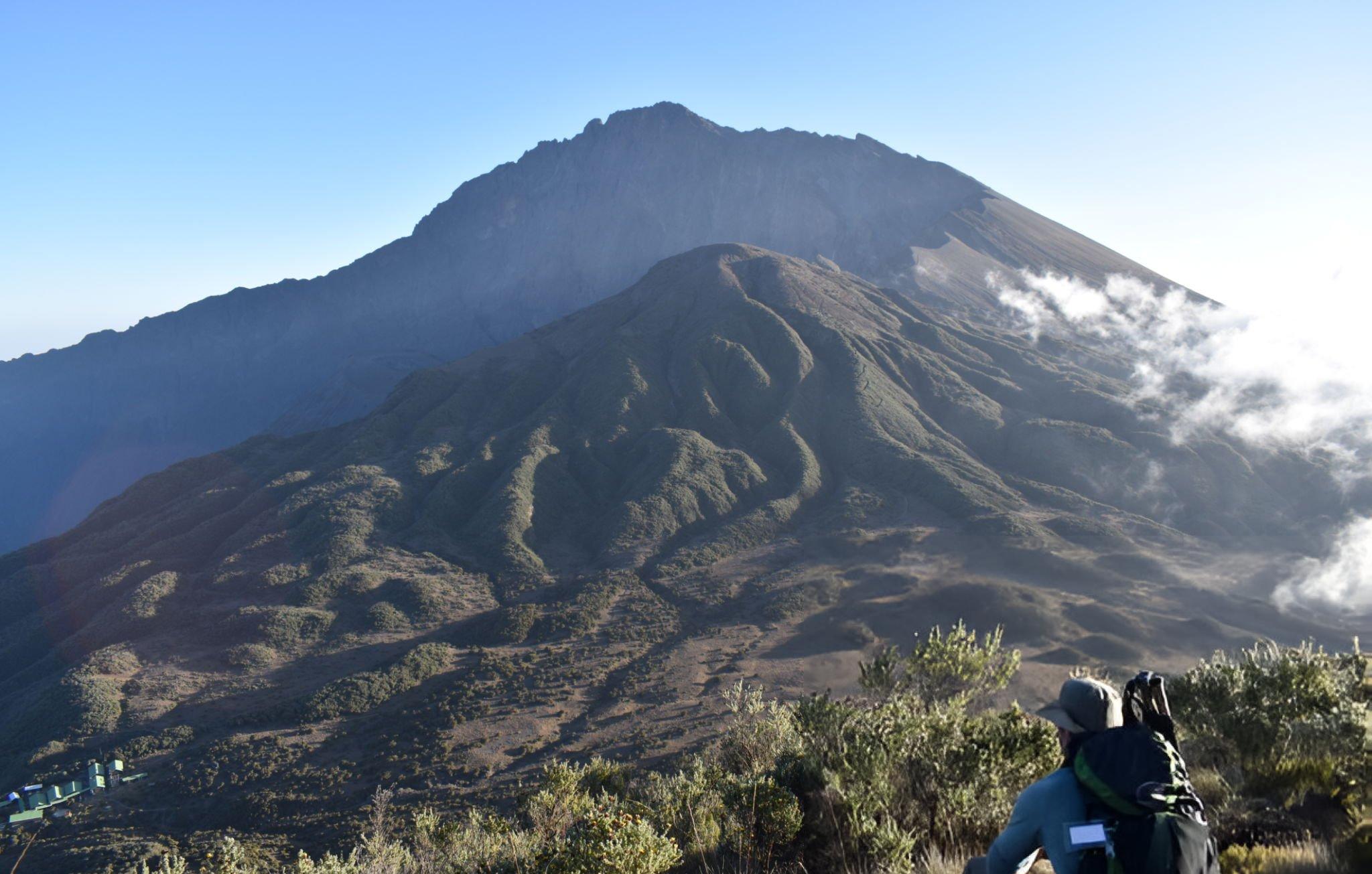
Mount Kilimanjaro, Africa’s highest peak, adds another dimension to Tanzania’s natural appeal. Rising from the plains to snow covered heights, the mountain presents multiple climate zones, each with distinct vegetation and wildlife. Trekking Kilimanjaro is not only a physical challenge but also a journey through changing ecosystems, from tropical rainforest to alpine desert. This vertical diversity reinforces what makes Tanzania unique for travellers interested in adventure, personal achievement, and natural beauty.
Beyond mountains and savannahs, Tanzania’s coastline and islands introduce an entirely different environment. The Indian Ocean shores and the Zanzibar Archipelago feature white sand beaches, coral reefs, and turquoise waters. Travellers can seamlessly combine safari adventures with beach relaxation, an option that few countries offer at such a high level. This ability to experience wildlife and tropical leisure within one itinerary is a defining characteristic of Tanzania’s tourism appeal.
Tanzania is also home to lesser known but equally remarkable landscapes. Places like Ruaha National Park and Selous Game Reserve offer vast wilderness areas with fewer visitors, allowing travellers to experience solitude and exclusivity. These regions support diverse species and provide a sense of exploration that appeals to seasoned travellers seeking destinations beyond mainstream tourism routes.
The country’s lakes further enhance its environmental diversity. Lake Victoria, Africa’s largest lake, supports fishing communities and birdlife, while Lake Tanganyika is one of the deepest and oldest lakes in the world. Lake Manyara, famous for its tree climbing lions and flamingos, adds another unique ecosystem to Tanzania’s portfolio. Each of these water bodies contributes to ecological richness and expands travel possibilities.
Climate variation across Tanzania also plays an important role in shaping travel experiences. Travellers can encounter cool highland temperatures, warm savannah climates, and humid coastal conditions within relatively short distances. This variation supports a wide range of flora and fauna and allows year round tourism across different regions. Such climatic diversity strengthens what makes Tanzania unique for travellers with varied interests and travel styles.
Conservation efforts are deeply embedded in Tanzania’s tourism model. National parks and protected areas cover a significant portion of the country, ensuring long term preservation of natural habitats. International organizations such as UNESCO and the World Wildlife Fund recognize Tanzania’s role in global conservation initiatives. For authoritative information on Tanzania’s protected areas, travellers can refer to the official Tanzania National Parks authority and UNESCO World Heritage resources.
Epic horizons Adventure we are looking extra miles to make sure…. that travellers experience this natural diversity responsibly and sustainably. By designing itineraries that respect ecosystems and local communities, professional operators help preserve the very landscapes that make Tanzania exceptional.
The emotional impact of Tanzania’s landscapes is equally important. Vast open spaces encourage reflection and connection with nature, while close encounters with wildlife inspire awe and humility. Many travellers describe their experiences in Tanzania as transformative, reshaping their perspective on nature and humanity’s place within it.
In summary, Tanzania’s unmatched natural diversity forms the backbone of its global appeal. The combination of savannahs, mountains, forests, lakes, and islands within one destination is extraordinarily rare. These landscapes are not isolated attractions but interconnected ecosystems that tell a larger story of balance and resilience. This remarkable environmental range clearly explains what makes Tanzania unique for travellers who value authenticity, adventure, and meaningful engagement with the natural world.
World-Class Wildlife, Iconic Safaris, and Conservation Excellence in Tanzania
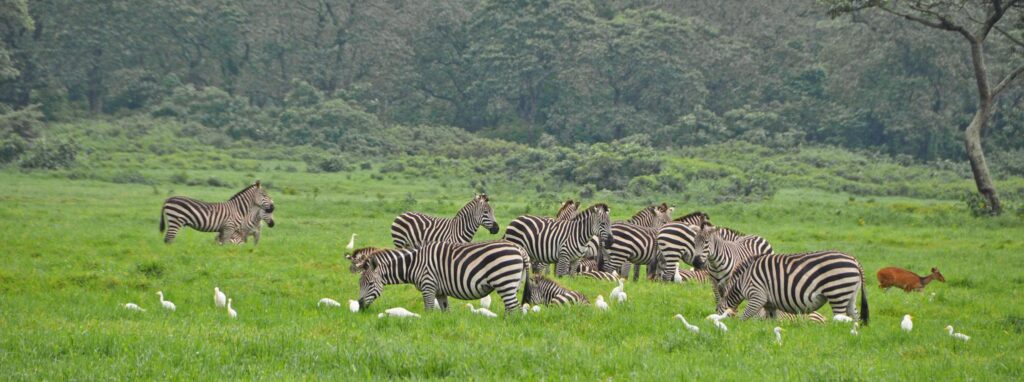
Tanzania’s reputation as one of the world’s premier wildlife destinations is not accidental; it is the result of exceptional biodiversity, visionary conservation policies, and landscapes that remain largely untouched compared to many other safari regions. When travellers ask what makes Tanzania unique for travellers, the country’s safari experience immediately stands out as a defining answer. Tanzania offers an ecosystem-based approach to wildlife tourism, where animals roam freely across vast protected areas rather than being confined to fragmented reserves. This scale and authenticity create safari encounters that feel raw, unscripted, and deeply immersive, setting Tanzania apart from competing destinations.
At the heart of Tanzania’s wildlife appeal are its iconic national parks and conservation areas. Serengeti National Park is globally celebrated for hosting the Great Wildebeest Migration, a continuous, year-round movement of more than two million wildebeest, zebras, and gazelles across the Serengeti–Mara ecosystem. This phenomenon is widely regarded as the greatest wildlife spectacle on Earth and is a major reason travellers choose Tanzania over any other African safari destination. The migration is not a single event but a cycle of survival, shaped by rainfall patterns, predator movements, and ancient animal instincts. Witnessing river crossings at the Grumeti or Mara rivers offers travellers dramatic, once-in-a-lifetime moments that few destinations on the planet can replicate. For authoritative insight into the migration ecosystem and park management, travellers can refer to Tanzania National Parks (TANAPA), the official body responsible for conservation and tourism management across the country’s national parks.
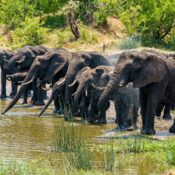
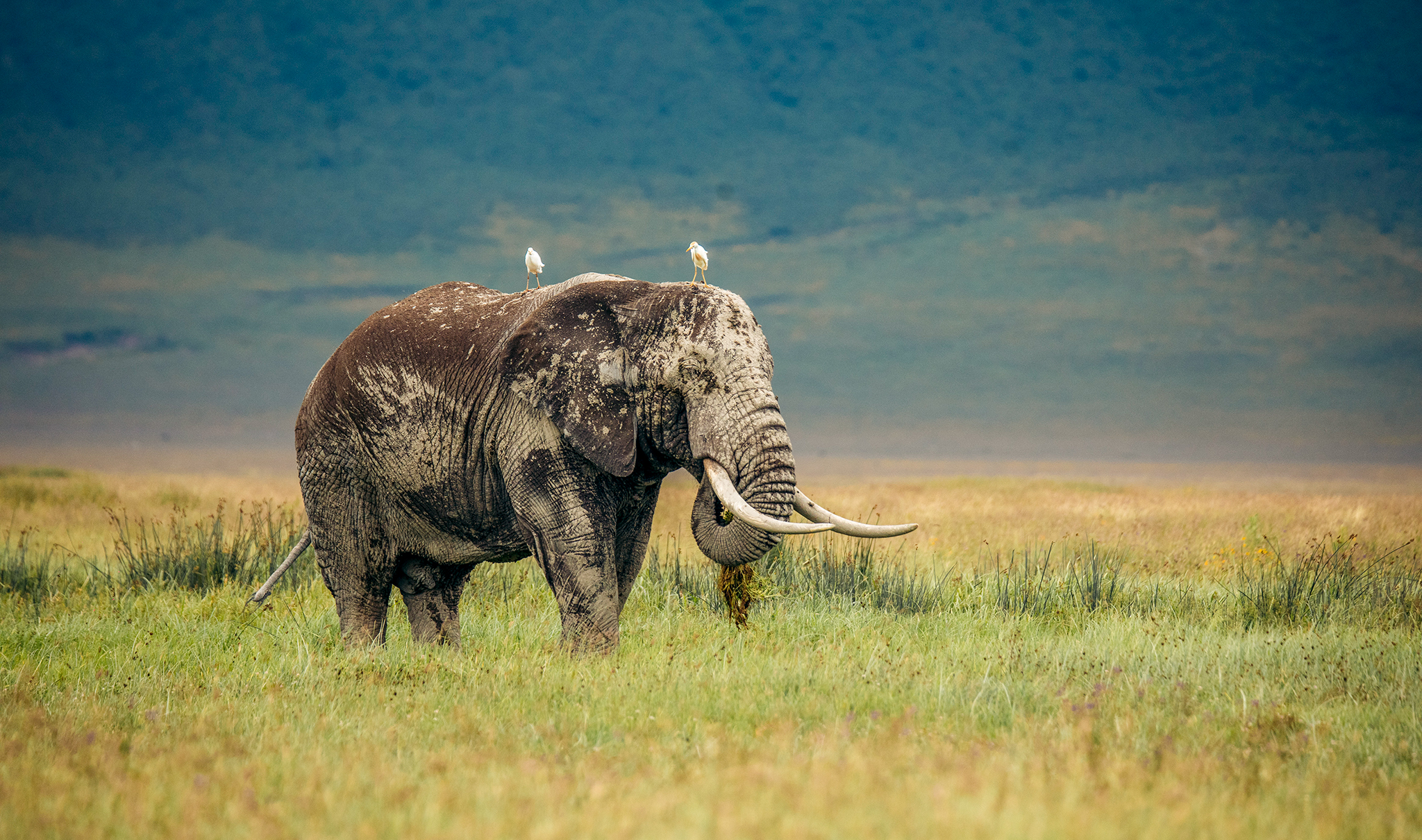
Beyond the Serengeti, Tanzania’s diversity of wildlife habitats further reinforces what makes Tanzania unique for travellers. The Ngorongoro Conservation Area is a UNESCO World Heritage Site and one of the only places in the world where wildlife conservation and human pastoralism coexist legally and sustainably. The Ngorongoro Crater, formed from a collapsed volcanic caldera, functions as a natural wildlife sanctuary with one of the highest densities of large mammals in Africa. Lions, elephants, rhinos, leopards, and buffalo thrive within this enclosed ecosystem, offering travellers exceptional game viewing throughout the year. The presence of the critically endangered black rhinoceros makes Ngorongoro particularly significant for conservation-focused travellers.
Southern and western Tanzania add further depth to the country’s safari portfolio. Parks such as Ruaha National Park, Nyerere National Park (formerly Selous Game Reserve), and Katavi National Park cater to travellers seeking exclusivity, remoteness, and fewer vehicles. These regions emphasize low-impact tourism, walking safaris, boat safaris, and fly-in experiences that prioritize environmental preservation over mass tourism. In Ruaha, visitors encounter large elephant herds, rare antelope species, and dramatic predator interactions against rugged landscapes shaped by the Great Rift Valley. Nyerere National Park, Africa’s largest protected wildlife area, offers river-based safaris along the Rufiji River, where hippos, crocodiles, and birdlife dominate the experience. Official conservation information about these protected ecosystems can be accessed through UNESCO’s World Heritage Centre, which highlights Tanzania’s role in global biodiversity protection.
Tanzania’s leadership in wildlife conservation is another critical factor when analysing what makes Tanzania unique for travellers. The country has dedicated more than one-third of its landmass to protected areas, including national parks, game reserves, conservation areas, and marine parks. This commitment demonstrates a long-term national strategy that balances tourism revenue with environmental sustainability. Anti-poaching initiatives, community-based conservation programs, and partnerships with international conservation organizations have contributed to stabilizing wildlife populations that are under severe threat elsewhere in Africa. Travellers increasingly value destinations where their presence supports ethical tourism, and Tanzania’s conservation framework aligns strongly with these values.
Equally important is the quality of the safari guiding profession in Tanzania. Tanzanian safari guides undergo rigorous training, licensing, and continuous assessment to ensure high standards of safety, knowledge, and professionalism. Many guides possess deep ecological understanding, tracking skills, and cultural knowledge passed down through generations. This human expertise transforms wildlife sightings into educational experiences, allowing travellers to understand animal behavior, ecosystems, and conservation challenges at a deeper level. A safari in Tanzania is therefore not just about seeing animals but about interpreting the natural world through expert insight.
From a traveller experience perspective, Tanzania offers flexibility and customization that enhances its uniqueness. Safari itineraries can be tailored to different travel styles, including luxury lodge safaris, mid-range adventures, photographic safaris, family-friendly experiences, and conservation-focused expeditions. Seasonal variations also allow travellers to choose experiences aligned with their interests, whether it is calving season in the southern Serengeti, predator action during the dry season, or birdwatching during migratory periods. This adaptability ensures that Tanzania remains appealing to first-time visitors as well as seasoned safari enthusiasts.
A critical but often overlooked dimension of Tanzania’s wildlife tourism is its integration with local communities. Community-based tourism initiatives around national parks provide employment, education, and revenue-sharing opportunities that strengthen conservation outcomes. Maasai communities around Ngorongoro and northern Tanzania, for example, participate in cultural tourism that allows travellers to engage respectfully with traditional lifestyles while supporting local livelihoods. This ethical interaction reinforces what makes Tanzania unique for travellers who seek meaningful, responsible travel experiences rather than purely recreational holidays.
Epic horizons Adventure we are looking extra miles to make sure travellers experience Tanzania’s wildlife in a way that is ethical, immersive, and professionally curated. By working closely with licensed guides, conservation authorities, and local communities, the company ensures that safari experiences align with global best practices while delivering unforgettable moments in the wild. This approach not only enhances traveller satisfaction but also contributes positively to long-term conservation goals.
In summary, Tanzania’s wildlife and safari experience is defined by scale, diversity, authenticity, and conservation leadership. From the vast plains of the Serengeti to the remote wilderness of Ruaha and the unique human-wildlife coexistence of Ngorongoro, the country offers a safari product that is unmatched globally. When evaluating what makes Tanzania unique for travellers, its world-class wildlife heritage and responsible tourism framework emerge as decisive factors that continue to attract discerning travellers from around the world.
Rich Cultural Heritage, Living Traditions, and Authentic Human Connections
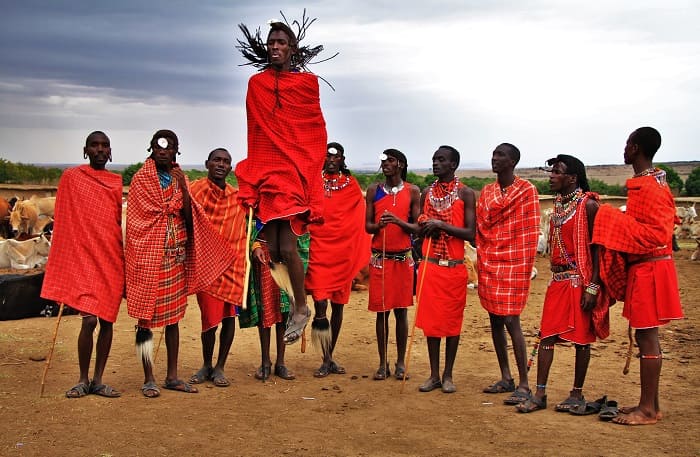
Beyond wildlife and landscapes, Tanzania’s cultural depth is a defining element that powerfully explains what makes Tanzania unique for travellers. The country is home to more than 120 ethnic groups, each with distinct languages, customs, histories, and ways of life. Unlike destinations where culture is staged or diluted for tourism, Tanzania offers living traditions that continue to shape daily life. Travellers encounter culture not as a performance, but as an authentic and ongoing expression of identity, values, and community.
One of Tanzania’s most globally recognized cultural groups is the Maasai. Found primarily in northern Tanzania, the Maasai have preserved their semi-nomadic pastoral lifestyle for generations despite modern pressures. Their traditional dress, beadwork, social structures, and ceremonies reflect a deep connection to land and livestock. For travellers, visiting a Maasai community provides insight into indigenous knowledge systems, including livestock management, herbal medicine, and environmental stewardship. When conducted ethically and respectfully, cultural visits create mutual benefit, allowing communities to generate income while maintaining control over how their culture is shared.
Equally significant are the Hadzabe people near Lake Eyasi, one of the last remaining hunter-gatherer communities in Africa. Their way of life, based on hunting with handmade bows and arrows and foraging for wild foods, offers travellers a rare window into humanity’s earliest survival strategies. Interactions with the Hadzabe are unscripted and deeply educational, revealing alternative perspectives on sustainability, resource use, and social organization. Such encounters reinforce what makes Tanzania unique for travellers seeking experiences that go far beyond conventional sightseeing.
Tanzania’s cultural richness is also reflected in its linguistic landscape. Kiswahili, the national language, acts as a unifying force across diverse ethnic groups and is one of Africa’s most widely spoken languages. For travellers, the widespread use of Swahili creates a welcoming environment and facilitates meaningful interaction with local people. Simple greetings and phrases are often met with warmth and appreciation, breaking down barriers between visitors and hosts. This ease of communication enhances cultural immersion and fosters genuine human connection.
Urban cultural experiences further expand Tanzania’s appeal. Cities such as Dar es Salaam, Arusha, and Stone Town in Zanzibar showcase layers of history shaped by African, Arab, Indian, and European influences. Stone Town, a UNESCO World Heritage Site, stands as a cultural crossroads where Swahili architecture, carved wooden doors, mosques, and historic trading houses tell stories of centuries-old maritime trade. Walking through its narrow alleys allows travellers to engage with living history, where everyday life unfolds against a backdrop of profound cultural significance. For authoritative context on Swahili coastal heritage, travellers may consult UNESCO’s World Heritage Centre, which documents the global value of Stone Town’s cultural landscape.
Music, art, and cuisine also play a vital role in expressing Tanzanian identity. Traditional music styles, drumming, and dance are central to ceremonies and celebrations across the country. Contemporary Tanzanian music, particularly Bongo Flava, reflects modern social themes while maintaining strong cultural roots. Visual arts, including Tingatinga paintings and Makonde carvings, showcase creativity that is both symbolic and commercially sustainable for local artists. Tanzanian cuisine, featuring dishes such as ugali, nyama choma, pilau, and fresh seafood along the coast, offers travellers a sensory connection to culture through taste and shared meals.
Religious diversity further illustrates the social harmony that characterizes Tanzanian society. Christianity, Islam, and traditional belief systems coexist peacefully, often within the same families and communities. This tolerance contributes to a sense of safety and inclusivity that travellers consistently highlight as a key reason for choosing Tanzania. Experiencing religious festivals, mosque calls to prayer in coastal towns, or church gatherings in rural areas provides insight into how faith shapes community life without conflict.
Community-based tourism initiatives strengthen the link between culture and sustainability. Many cultural tourism programs in Tanzania are locally owned and managed, ensuring that economic benefits remain within communities. These initiatives often support education, healthcare, and conservation projects, aligning cultural exchange with social development. For travellers who prioritize responsible tourism, this model reinforces what makes Tanzania unique for travellers in an era where ethical considerations increasingly influence travel decisions. Information on community-focused tourism and cultural preservation can be explored through the Tanzania Tourist Board, which promotes responsible and inclusive tourism nationwide.
Epic horizons Adventure we are looking extra miles to make sure cultural experiences are respectful, authentic, and mutually beneficial. By collaborating with local communities and cultural guides, the company ensures that travellers gain genuine insight while contributing positively to cultural preservation and local livelihoods. This approach transforms cultural encounters into meaningful exchanges rather than superficial visits.
In conclusion, Tanzania’s cultural heritage offers travellers depth, authenticity, and connection that few destinations can match. From indigenous communities and urban heritage sites to language, cuisine, and everyday social interactions, culture in Tanzania is lived rather than displayed. When evaluating what makes Tanzania unique for travellers, the country’s ability to offer profound human connection alongside natural wonders emerges as a decisive and enduring advantage.
Extraordinary Landscapes, Mount Kilimanjaro, and Geographic Diversity
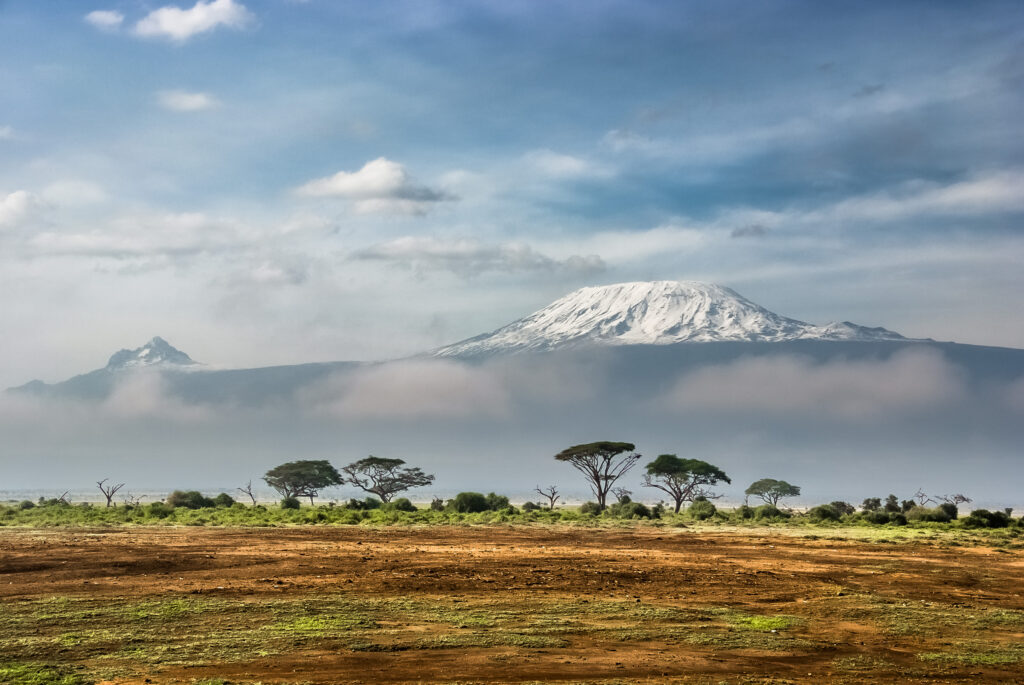
Tanzania’s physical geography is one of the most compelling answers to the question of what makes Tanzania unique for travellers. Few countries in the world offer such a dramatic concentration of landscapes within a single destination. From Africa’s highest peak to tropical islands, vast savannahs, volcanic craters, alkaline lakes, and remote wilderness, Tanzania presents travellers with a rare opportunity to experience multiple natural worlds in one journey. This geographic diversity not only enhances visual appeal but also enables a wide range of travel styles and activities that appeal to different traveller profiles.
Mount Kilimanjaro stands as Tanzania’s most iconic natural landmark and a global symbol of adventure travel. Rising to 5,895 meters above sea level, Kilimanjaro is the highest free-standing mountain in the world and the tallest peak in Africa. What makes Kilimanjaro particularly unique is its accessibility; it is one of the few high-altitude mountains that can be climbed without technical mountaineering skills. Travellers from around the world are drawn to the challenge of standing on Uhuru Peak, crossing multiple climate zones from rainforest to alpine desert and arctic summit within a matter of days. This vertical diversity is unmatched and plays a major role in defining what makes Tanzania unique for travellers seeking transformational experiences.
The landscapes surrounding Kilimanjaro further enrich the traveller experience. Amboseli plains stretching into Kenya, coffee plantations on the mountain’s lower slopes, and traditional Chagga villages provide cultural and scenic context that deepens the journey beyond the summit itself. Treks are often combined with wildlife safaris or cultural visits, allowing travellers to experience both human and natural environments in a cohesive itinerary. For authoritative information on Kilimanjaro’s ecological zones and conservation status, travellers can consult UNESCO’s World Heritage Centrehttps://whc.unesco.org/en/statesparties/tz?utm_source=chatgpt.com, which recognizes Mount Kilimanjaro National Park for its outstanding universal value.
Beyond Kilimanjaro, the Great Rift Valley shapes some of Tanzania’s most visually striking environments. This geological feature has created a chain of lakes, escarpments, and volcanic formations that dominate northern Tanzania. Lake Natron, with its red-hued waters and mineral-rich shores, is one of the most unusual landscapes on the African continent and serves as a crucial breeding ground for flamingos. The Ngorongoro Highlands, formed by volcanic activity, offer lush forests, rolling hills, and cooler climates that contrast sharply with the open plains below. These dramatic shifts in terrain within short distances reinforce what makes Tanzania unique for travellers who value scenic diversity.
Tanzania’s savannah landscapes, particularly in the Serengeti ecosystem, represent the classic African wilderness that many travellers envision. Endless grasslands punctuated by acacia trees create expansive horizons that evoke a sense of freedom and timelessness. These landscapes are not only visually powerful but also ecologically essential, supporting complex food chains and large-scale wildlife movements. Seasonal changes transform the scenery, with lush green plains during the rains and golden hues during the dry season, ensuring that each visit offers a distinct visual narrative.
In contrast to the interior’s rugged terrain, Tanzania’s coastline and islands introduce a completely different natural environment. The Indian Ocean coastline stretches for more than 1,400 kilometers and is characterized by white-sand beaches, coral reefs, and mangrove forests. Zanzibar, Mafia Island, and Pemba Island offer tranquil beach experiences, vibrant marine ecosystems, and rich Swahili culture. Travellers can transition seamlessly from a safari or mountain trek to a beach retreat, an option that few destinations worldwide can offer with such ease. For marine conservation insights and coastal ecosystem information, travellers may refer to the World Wide Fund for Nature (WWF), which supports marine protection initiatives along Tanzania’s coast.
Marine biodiversity adds another layer to Tanzania’s geographic appeal. Snorkeling and diving reveal coral gardens, tropical fish, sea turtles, and whale sharks, particularly around Mafia Island Marine Park. These underwater landscapes complement terrestrial adventures and broaden the country’s appeal to travellers interested in both land and sea exploration. The integration of marine and terrestrial conservation further strengthens Tanzania’s position as a destination committed to protecting diverse ecosystems.
Climate variation across Tanzania also enhances its uniqueness. While equatorial in latitude, the country’s elevation differences create multiple climate zones, allowing for year-round travel opportunities. Cooler highland regions, temperate savannahs, and warm coastal climates enable travellers to design itineraries based on preferred conditions and activities. This climatic flexibility is another reason what makes Tanzania unique for travellers extends beyond individual attractions to the overall travel experience.
Epic horizons Adventure we are looking extra miles to make sure travellers experience Tanzania’s landscapes in a seamless, well-planned, and environmentally responsible way. By carefully combining mountain treks, safaris, and coastal escapes, the company ensures that each journey reflects the full geographic richness of the country while maintaining high standards of safety and sustainability.
In summary, Tanzania’s extraordinary landscapes and geographic diversity form a core pillar of its global appeal. From the summit of Mount Kilimanjaro to the depths of the Indian Ocean, the country offers a range of natural environments that few destinations can rival. When travellers consider what makes Tanzania unique for travellers, the ability to move effortlessly between dramatically different landscapes within a single, coherent journey stands out as a defining advantage.
Hospitality, Safety, Value for Money, and the Complete Travel Experience
The final pillar that clearly explains what makes Tanzania unique for travellers lies in the overall travel experience the country delivers, combining genuine hospitality, a strong sense of safety, excellent value for money, and seamless trip integration. While many destinations may excel in one or two aspects of tourism, Tanzania consistently performs well across all critical dimensions that modern travellers consider when choosing a destination. This holistic balance is what transforms a visit to Tanzania from a simple holiday into a deeply satisfying and memorable journey.
Tanzanian hospitality is widely recognized as one of the country’s strongest assets. Visitors are welcomed with warmth, respect, and openness that feels natural rather than transactional. From airport staff and hotel teams to safari guides, porters, and local community members, travellers consistently experience kindness and patience. This cultural emphasis on respect and friendliness is deeply rooted in Tanzanian society and expressed through everyday interactions. The use of Kiswahili greetings such as “Karibu” (welcome) immediately creates a sense of belonging that travellers often remember long after their journey ends.
Safety is another key factor that reinforces what makes Tanzania unique for travellers. Tanzania is considered one of the safest countries in East Africa for international visitors, with a long history of political stability and peaceful coexistence among diverse communities. Tourist regions, national parks, and major cities are well-managed, and tourism infrastructure is designed with visitor security in mind. Licensed guides, regulated transport services, and clearly defined park rules contribute to a controlled and safe environment for travellers of all ages. For updated travel safety and destination information, travellers can consult official resources such as the UK Foreign, Commonwealth & Development Office (FCDO) travel advice and the U.S. Department of State travel advisory, both of which regularly assess Tanzania as a stable tourism destination.
Value for money further distinguishes Tanzania in a competitive global tourism market. While Tanzania is known for high-quality safari and adventure experiences, it offers a wide range of accommodation and travel options that cater to different budgets without compromising core experience quality. From luxury lodges and boutique beach resorts to mid-range camps and budget-friendly hotels, travellers can design itineraries that align with their financial expectations. Importantly, the value lies not only in pricing but in the depth and diversity of experiences included within a single trip. A traveller can climb Mount Kilimanjaro, enjoy a world-class safari, and relax on Indian Ocean beaches within one country, eliminating the need for multi-country logistics.
Tanzania’s tourism infrastructure supports smooth and efficient travel planning. Well-established safari circuits, domestic flight networks, and professional tour operators make it easy to move between regions. Airports in Kilimanjaro, Dar es Salaam, Zanzibar, and Arusha serve as strategic gateways, enabling seamless transitions between landscapes and activities. This logistical efficiency is particularly appealing to travellers with limited time who still want comprehensive experiences. The ability to combine multiple travel styles within a single, well-organized itinerary is a practical reason what makes Tanzania unique for travellers continues to resonate strongly.
Another defining element is the professionalism of Tanzania’s tourism workforce. Guides, drivers, porters, hotel staff, and tour coordinators operate under licensing and training systems that emphasize safety, knowledge, and service standards. On Mount Kilimanjaro, for example, porter welfare regulations and guide certification programs ensure ethical trekking practices and traveller safety. On safari, guides are trained in wildlife behavior, first aid, and conservation principles, transforming each game drive into an educational experience. Information on responsible tourism standards in Tanzania can be explored through organizations such as the World Tourism Organization (UNWTO), which promotes sustainable tourism development globally.
Cultural respect and traveller inclusivity also play an important role in Tanzania’s appeal. The country is welcoming to solo travellers, families, honeymooners, senior travellers, and adventure seekers alike. Religious tolerance, low levels of social tension, and a strong sense of community contribute to an environment where visitors feel comfortable and respected. This inclusivity enhances emotional safety, which is increasingly important in travel decision-making.
Epic horizons Adventure we are looking extra miles to make sure every traveller experiences Tanzania with confidence, comfort, and clarity. By carefully coordinating logistics, selecting trusted partners, and providing personalized support, the company ensures that journeys are not only exciting but also stress-free. This attention to detail elevates the overall travel experience and allows travellers to focus fully on discovery and enjoyment.
From a long-term perspective, Tanzania’s commitment to sustainable tourism strengthens its global reputation. Conservation funding, community involvement, and environmental protection are increasingly integrated into tourism operations. Travellers are aware that their visits contribute to wildlife protection, cultural preservation, and local economic development. This sense of purpose adds emotional value to travel and reinforces what makes Tanzania unique for travellers who want their journeys to have a positive impact.
In conclusion, Tanzania’s uniqueness is not defined by a single attraction but by the way multiple strengths come together seamlessly. Hospitality, safety, affordability, professional service, and experiential diversity combine to create a destination that consistently exceeds expectations. When travellers evaluate what makes Tanzania unique for travellers, the country’s ability to deliver a complete, balanced, and meaningful travel experience stands as its greatest competitive advantage and the reason it continues to inspire visitors from around the world.