
Why paje is so popular (2026)
Why paje is so popular (2026)
Discover why Paje is so popular among travelers worldwide — from kite surfing beaches and Swahili culture to luxury eco-lodges and unforgettable experiences in Zanzibar.https://www.epichorizonsadventures.com/our-tours/destinations/
Why Paje Is So Popular for Its World-Class Beaches and Natural Beauty
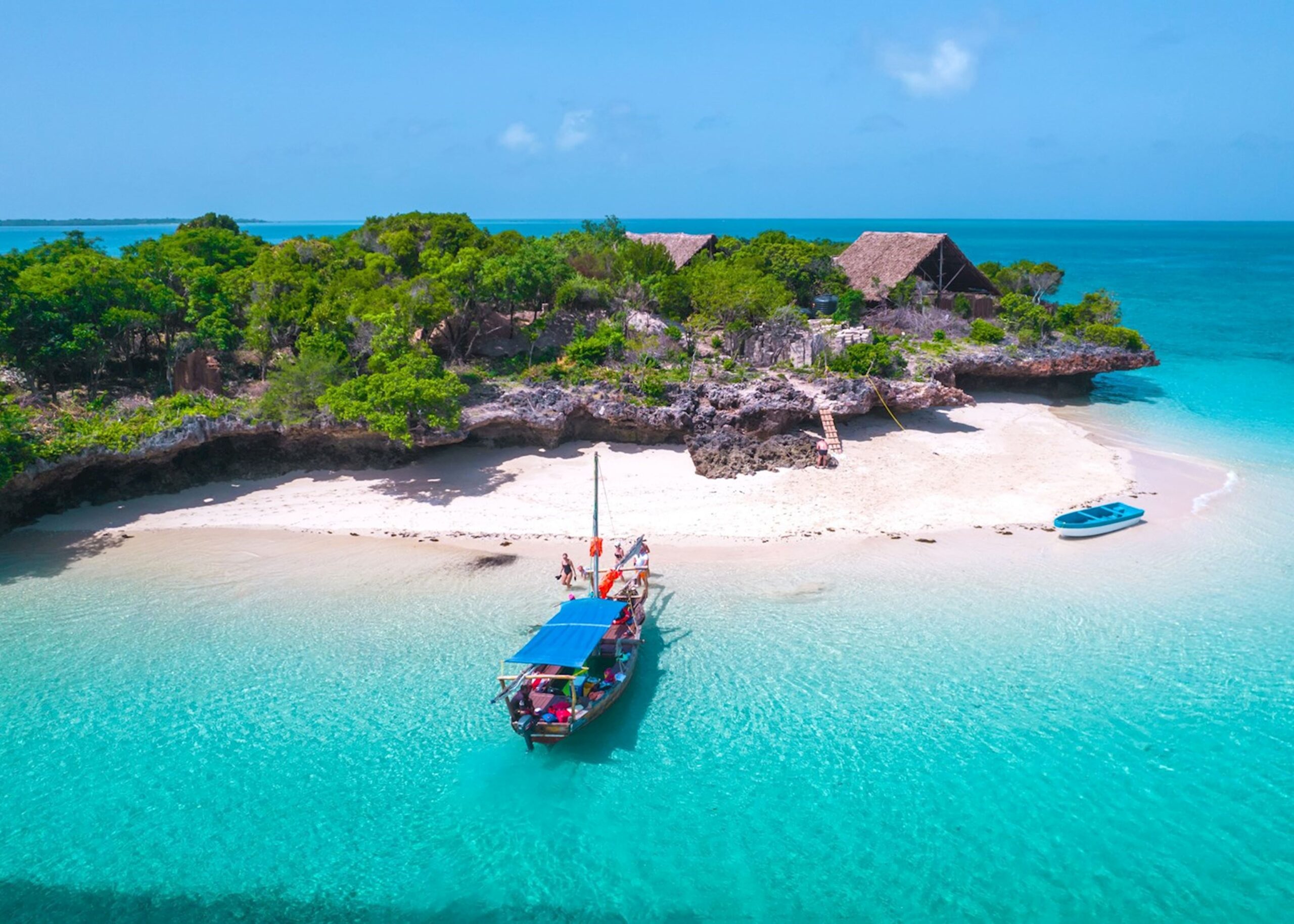
Paje, a small coastal village located on the southeast coast of Zanzibar Island, has become one of East Africa’s most celebrated beach destinations, and it’s easy to understand why. The combination of powder-soft white sand, turquoise Indian Ocean waters, swaying palm trees, and year-round tropical sunshine creates a postcard-perfect environment that draws travelers from all corners of the world. Whether you are a honeymooner, solo backpacker, digital nomad, or luxury traveler, Paje offers an atmosphere that feels untouched yet vibrant, serene yet exciting. This perfect balance between relaxation and adventure is one of the main reasons why Paje is so popular among global travelers searching for authentic island experiences.
Unlike heavily developed beach resorts found in many parts of the world, Paje has managed to retain its natural charm while still offering modern comforts. The village landscape is dotted with boutique hotels, eco-lodges, beachfront bungalows, yoga retreats, and relaxed cafés that blend seamlessly with the coastal environment. Instead of towering hotels and crowded streets, visitors encounter sandy pathways, local fishing boats resting on the shore, and friendly villagers going about their daily lives. This harmony between tourism and tradition creates a peaceful rhythm that appeals to travelers seeking genuine cultural connection alongside oceanfront luxury.
The beaches themselves are among the most striking in Zanzibar. The shoreline stretches endlessly, offering wide open spaces perfect for long walks, sunrise yoga sessions, sunset strolls, and uninterrupted relaxation. During low tide, the ocean recedes dramatically, revealing shallow lagoons, coral gardens, starfish, and tidal pools that shimmer under the sun. This phenomenon allows visitors to walk far into the ocean while observing marine life up close, making every day feel like an underwater safari. These natural wonders alone explain a major part of why Paje is so popular among eco-conscious travelers, photographers, nature lovers, and beach enthusiasts.
In addition to its visual beauty, Paje’s ocean conditions are ideal for swimming, snorkeling, and water sports. The waters are warm year-round, making them comfortable for extended swims without wetsuits. Coral reefs located offshore protect the shoreline from strong waves, creating calm swimming zones while still allowing access to thrilling kite surfing winds just beyond the reef line. This unique combination of tranquility and adventure attracts both relaxation seekers and adrenaline lovers alike. Few destinations manage to satisfy such diverse travel styles in one location — a factor that continues to elevate Paje’s global reputation.
Climate also plays a significant role in shaping the area’s appeal. Zanzibar enjoys a tropical climate with warm temperatures throughout the year, making Paje a year-round destination. The dry seasons from June to October and December to February offer ideal beach conditions with low humidity and clear skies, while the green seasons from March to May and November bring lush landscapes, fewer crowds, and excellent travel deals. This seasonal diversity ensures travelers can tailor their visits to match their preferences, whether they prioritize sunny beach days, budget-friendly travel, or immersive nature experiences.
One of the most enchanting elements of Paje’s beach experience is the daily rhythm of life along the shore. Early mornings are marked by fishermen heading out in traditional wooden dhows, while locals collect seaweed along the shoreline — a centuries-old practice that supports many families in Zanzibar’s coastal communities. By midday, travelers relax in beachfront cafés sipping fresh coconut water or tropical smoothies, and by sunset, the sky ignites with shades of orange, pink, and purple as music drifts softly from nearby beach lounges. This seamless blending of local life and visitor experience contributes significantly to why Paje is so popular with travelers seeking authenticity rather than artificial resort environments.
Paje’s environmental preservation efforts further enhance its appeal. Many lodges and tour operators promote eco-friendly practices, including solar energy use, plastic reduction initiatives, coral reef conservation, and community-based tourism programs. Travelers increasingly seek destinations that prioritize sustainability, and Paje’s growing reputation as a responsible tourism hub strengthens its international standing. Organizations such as Zanzibar Tourism Commission (https://www.zanzibartourism.go.tz) and UNESCO (https://whc.unesco.org) continue to emphasize sustainable coastal tourism development, aligning perfectly with Paje’s long-term vision.
Another key element contributing to Paje’s natural charm is its relatively undeveloped coastline compared to northern Zanzibar beaches such as Nungwi and Kendwa. While those areas offer lively nightlife and large resorts, Paje remains refreshingly peaceful, allowing travelers to connect deeply with the ocean, landscape, and themselves. This slower pace appeals strongly to wellness travelers, yoga retreat participants, writers, digital nomads, and creatives seeking inspiration in tranquil environments. The beach becomes not just a vacation destination but a space for reflection, healing, and renewal.
Accessibility also enhances Paje’s popularity. Located approximately one hour’s drive from Abeid Amani Karume International Airport and Zanzibar Stone Town, Paje offers easy transfers while still feeling far removed from urban congestion. Many travelers choose to split their time between cultural exploration in Stone Town — a UNESCO World Heritage Site (https://whc.unesco.org/en/list/173) — and coastal relaxation in Paje, creating a well-balanced Zanzibar itinerary that appeals to first-time visitors and repeat travelers alike.
Food culture further enriches the Paje beach experience. Fresh seafood grilled over open flames, Swahili coconut curries, tropical fruits, handmade juices, and international fusion cuisine are readily available along the beachfront. Dining often occurs barefoot on the sand under starlit skies, creating unforgettable sensory experiences that elevate simple meals into cherished memories. Many beachfront restaurants source ingredients locally, supporting community livelihoods while offering travelers fresh, organic dining options.
Sunrise and sunset moments in Paje are widely considered among the most beautiful in East Africa. Early risers are rewarded with pastel skies reflecting off calm ocean waters, while evenings bring dramatic sunsets that paint the horizon with fiery brilliance. These daily visual spectacles provide photographers, influencers, honeymooners, and nature lovers with endless inspiration. In the age of social media, Paje’s visual beauty spreads organically across platforms like Instagram, Pinterest, and travel blogs, significantly boosting its global awareness and contributing to why Paje is so popular across international travel markets.
The emotional connection travelers develop with Paje also plays a crucial role in its lasting appeal. Many visitors describe feeling an instant sense of peace upon arrival, as if the stresses of everyday life dissolve into the rhythm of the ocean waves. This emotional resonance often leads to repeat visits, extended stays, and even relocation among digital nomads and long-term travelers. Paje is not simply a destination — it becomes a feeling, a lifestyle, and for some, a second home.
At Epic Horizons Adventures, we deeply understand the transformative power of destinations like Paje. Epic horizons Adventure we are looking extra miles to make sure that every traveler experiences not only the beauty of Zanzibar’s coastline but also the cultural depth, community warmth, and environmental harmony that make Paje unforgettable. Our curated beach itineraries focus on authentic engagement, comfort, sustainability, and personalized service, ensuring that each guest leaves with memories that last a lifetime.
Travel experts from global platforms such as Lonely Planet (https://www.lonelyplanet.com/tanzania/zanzibar-islands) and National Geographic Travel (https://www.nationalgeographic.com/travel/destinations/africa/tanzania/zanzibar/) consistently rank Zanzibar’s east coast — particularly Paje — among Africa’s top beach destinations. These endorsements further validate Paje’s growing reputation as one of the world’s most desirable coastal escapes.
Moreover, the welcoming nature of the local community amplifies Paje’s appeal. Visitors often remark on the friendliness, hospitality, and warmth of the people, who greet guests with smiles, stories, and a willingness to share their culture. Whether learning Swahili phrases, participating in cooking classes, visiting seaweed farms, or joining traditional fishing excursions, travelers find themselves immersed in meaningful cultural exchanges that elevate their journeys beyond surface-level tourism.
From barefoot luxury accommodations and pristine ocean views to cultural immersion and environmental sustainability, Paje’s beaches represent far more than scenic beauty — they embody a holistic travel experience that satisfies the mind, body, and soul. This multidimensional appeal continues to attract global travelers year after year, solidifying its reputation as one of Zanzibar’s crown jewels and explaining unmistakably why Paje is so popular among modern explorers seeking both adventure and tranquility.
As Zanzibar’s tourism continues to grow, Paje stands as a model for responsible coastal development — preserving nature, empowering communities, and offering unforgettable experiences without sacrificing authenticity. For travelers searching for meaningful beach escapes rather than crowded resort zones, Paje offers the perfect balance between comfort and connection, adventure and peace, luxury and simplicity. It is this rare harmony that transforms visitors into lifelong ambassadors of the destination.
At Epic Horizons Adventures, we take pride in crafting seamless travel journeys that showcase the very best of destinations like Paje. Epic horizons Adventure we are looking extra miles to make sure that your beach holiday goes beyond relaxation — delivering discovery, connection, wellness, and unforgettable moments that stay with you long after the waves fade into memory.
Why Paje Is So Popular for Kite Surfing and Water Sports Culture
One of the strongest global reputations that Paje has earned over the last decade is as East Africa’s kite surfing capital. Travelers, professional athletes, instructors, digital nomads, adventure seekers, and water sports enthusiasts consistently rank Paje among the best kite surfing destinations in the world. The unique blend of steady trade winds, shallow turquoise lagoons, warm water temperatures, uncrowded beaches, and welcoming beach culture makes this coastal village a magnet for ocean lovers. These combined elements form one of the most powerful explanations of why Paje is so popular among international travelers searching for thrilling yet accessible aquatic adventures.
Unlike many kite surfing destinations that cater primarily to advanced riders, Paje offers ideal conditions for both beginners and professionals. The lagoon between the shoreline and outer reef creates flat, waist-deep water that is perfect for learning, practicing, and progressing safely. First-time kiters can take lessons without fear of strong currents or deep water hazards, while experienced riders enjoy smooth surfaces for freestyle tricks and long cruising sessions. The reef beyond the lagoon provides wave riding opportunities for advanced surfers, offering the best of both worlds within a single beach stretch — a rare advantage few destinations globally can match.
Wind reliability is another defining factor. Paje benefits from two major wind seasons annually — the Kaskazi winds from December to March and the Kusi winds from June to September — ensuring strong and consistent conditions for kite surfing most months of the year. This predictability attracts international kite schools, professional instructors, and kite brands who host camps, clinics, and competitions along the shoreline. These consistent wind patterns are one of the primary reasons professional kite organizations such as the International Kiteboarding Association (https://www.kiteboarding.world) recognize Zanzibar’s east coast — especially Paje — as one of Africa’s premier kite destinations.
In addition to kite surfing, Paje supports a thriving ecosystem of water sports including stand-up paddleboarding, snorkeling, scuba diving, free diving, kayaking, windsurfing, and lagoon swimming. The calm reef-protected waters provide ideal conditions for beginners, families, and wellness travelers who prefer gentler aquatic experiences. At the same time, deeper offshore zones offer thrilling experiences for advanced divers and free divers exploring coral gardens, reef walls, and marine biodiversity zones that rival some of the Indian Ocean’s most renowned dive destinations. This diversity of water-based activities enhances the region’s versatility and strongly contributes to why Paje is so popular among multi-interest travelers.
Paje’s kite culture is not merely about sport — it is a lifestyle. The beach transforms into an international gathering space where riders from Europe, Asia, Australia, Africa, and the Americas converge to share skills, stories, and sunset sessions. This global fusion creates a welcoming, multicultural atmosphere that resonates strongly with digital nomads, solo travelers, creatives, and adventure enthusiasts. Cafés along the beachfront double as workspaces by day and social hubs by night, where travelers exchange travel stories, collaborate on projects, and plan excursions together. This social connectivity fosters a sense of belonging rarely found in traditional resort destinations.
The kite surfing schools in Paje are internationally accredited and maintain high safety and instructional standards. Many are affiliated with organizations such as the International Kiteboarding Organization (IKO) (https://www.ikointl.com), ensuring globally recognized certification for students. Lessons are conducted in multiple languages, making Paje accessible to travelers from diverse backgrounds. Instructors emphasize not only technique but also ocean safety, environmental awareness, and responsible tourism practices — reinforcing Zanzibar’s broader sustainability goals.
Equipment availability and affordability further enhance accessibility. Kite schools provide high-quality gear from top global brands, allowing travelers to learn without investing in personal equipment. Many schools also offer storage facilities for long-term visitors and returning riders, making Paje an ideal base for extended stays. Accommodation options range from backpacker hostels to luxury beachfront villas, enabling travelers of all budgets to participate in the water sports culture without compromise. This inclusivity is a major reason why Paje is so popular across diverse travel demographics.
One of Paje’s defining characteristics is its tidal rhythm, which shapes daily kite schedules and lagoon activities. During low tide, the lagoon becomes shallow enough for walking and beginner kite sessions, while high tide opens up deeper waters ideal for freeriding and wave riding beyond the reef. This natural cycle encourages travelers to adapt to ocean rhythms, fostering a deeper connection to the marine environment. Many visitors find this ocean-centered lifestyle profoundly grounding, leading to extended stays and repeat visits — a trend that continues to fuel Paje’s global reputation.
The cultural integration of water sports into village life is another remarkable feature. Unlike destinations where tourism feels disconnected from local communities, Paje’s kite culture blends seamlessly into daily village rhythms. Local youth train as instructors, beach assistants, photographers, surf guides, and hospitality professionals, benefiting economically while preserving their coastal heritage. This integration strengthens community resilience and promotes inclusive development, aligning with sustainable tourism principles advocated by organizations such as the United Nations World Tourism Organization (https://www.unwto.org). Travelers increasingly value destinations where tourism directly benefits local communities, and Paje stands as a powerful example of this model.
Paje’s lagoon environment also supports vibrant marine ecosystems. Coral reefs, seagrass beds, starfish colonies, reef fish, octopus, sea turtles, and dolphin populations thrive in the surrounding waters. Snorkeling excursions often reveal coral gardens teeming with colorful marine species, while divers explore reef drop-offs that showcase Zanzibar’s underwater biodiversity. Marine conservation initiatives supported by local dive centers and NGOs promote reef protection, responsible snorkeling practices, and ocean education programs for both visitors and residents. This environmental stewardship further enhances Paje’s reputation as a responsible adventure destination.
The wellness and mindfulness dimensions of water sports culture in Paje should not be overlooked. Many travelers describe kite surfing as meditative — requiring focus, presence, and connection with wind, water, and body movement. Yoga studios, wellness retreats, massage centers, and holistic healing practices thrive alongside water sports schools, offering recovery sessions and mindfulness experiences that complement physical adventure. Sunrise yoga sessions overlooking the lagoon and sunset meditation walks along the shoreline create balanced daily rhythms that appeal to wellness travelers seeking holistic rejuvenation.
The global visibility of Paje’s kite scene has expanded rapidly through international competitions, influencer travel content, and social media exposure. Professional kite riders frequently host camps and filming sessions along Paje Beach, sharing content across platforms like Instagram, YouTube, and TikTok. These visuals — featuring riders gliding across turquoise lagoons beneath swaying palm trees — generate organic digital exposure that continues to attract adventure travelers worldwide. This powerful digital storytelling engine reinforces why Paje is so popular among younger travelers, remote workers, and social-media-driven travel communities.
In addition to independent travelers, Paje attracts organized sports retreats, team-building excursions, and corporate wellness programs. Many tour operators partner with kite schools and wellness centers to offer integrated adventure packages combining kite lessons, yoga retreats, snorkeling safaris, cultural tours, and eco-experiences. These curated packages appeal to travelers seeking immersive experiences rather than passive vacations, strengthening Paje’s positioning as an experiential tourism hub.
The safety standards maintained across Paje’s water sports sector also contribute significantly to traveler confidence. Instructors emphasize rescue techniques, equipment maintenance, wind pattern analysis, and reef navigation. Launch zones are clearly designated, and many schools operate rescue boats for offshore assistance. This professional infrastructure allows even first-time water sports participants to feel secure while exploring ocean adventures, making Paje one of the most beginner-friendly kite destinations globally.
At Epic Horizons Adventures, we recognize that adventure travel is most meaningful when it combines excitement with safety, cultural connection, and environmental responsibility. Epic horizons Adventure we are looking extra miles to make sure that every guest experiences Zanzibar’s water sports culture with expert guidance, premium equipment, ethical partnerships, and seamless logistical support. Our customized beach adventure packages integrate kite lessons, snorkeling excursions, lagoon cruises, marine conservation visits, and wellness experiences to create unforgettable coastal journeys tailored to each traveler’s goals.
Paje’s water sports culture also intersects beautifully with its nightlife and social scene. After sunset, beachfront lounges host acoustic music sessions, DJ nights, fire shows, and beach bonfires where travelers gather to celebrate the day’s adventures. These gatherings foster deep connections between travelers, instructors, locals, and hospitality staff, creating a community atmosphere that transforms short-term visits into lifelong friendships. Unlike high-energy party destinations, Paje’s nightlife remains relaxed, social, and culturally respectful, aligning with the village’s laid-back coastal identity.
Another factor elevating Paje’s water sports appeal is its accessibility to world-class marine ecosystems beyond the lagoon. Day trips to Mnemba Atoll Marine Reserve (https://www.zanzibartourism.go.tz) allow travelers to snorkel among coral reefs, dolphins, turtles, and tropical fish species in protected waters. Deep-sea fishing excursions, dhow sailing tours, and island-hopping adventures expand the range of ocean experiences available from Paje’s shores, transforming the village into a strategic base for broader Indian Ocean exploration.
The affordability of water sports experiences in Paje further distinguishes it from comparable destinations worldwide. Kite lessons, equipment rentals, snorkeling trips, and diving excursions are often significantly more affordable than in Europe, North America, or Australia — without sacrificing safety standards or professional quality. This price accessibility democratizes adventure travel, enabling more travelers to engage in ocean sports regardless of budget, thereby expanding Paje’s global appeal.
Paje’s ability to cater to both adrenaline seekers and relaxation-focused travelers is perhaps its most compelling strength. While some visitors spend entire days mastering kite techniques, others float leisurely in the lagoon, explore reef flats, journal beneath palm trees, or enjoy spa treatments overlooking the ocean. Families appreciate shallow swimming zones for children, couples enjoy romantic beachfront dining, and solo travelers find welcoming communities that foster connection and belonging. This multidimensional flexibility significantly reinforces why Paje is so popular among travelers of all ages, interests, and backgrounds.
Seasonality also works in Paje’s favor. While many kite destinations operate only during limited wind windows, Paje’s two wind seasons ensure extended riding opportunities across much of the year. During off-wind months, travelers shift toward snorkeling, diving, yoga retreats, cultural tours, spice farm visits, forest excursions, and island exploration — ensuring the destination remains vibrant year-round rather than dependent on a single activity cycle.
Paje’s success as a water sports destination has also contributed to Zanzibar’s broader tourism growth, strengthening the island’s international visibility beyond safari circuits and cultural tourism alone. Many travelers now combine mainland Tanzania safaris with Zanzibar beach extensions in Paje, creating holistic itineraries that blend wildlife, culture, adventure, and relaxation. This integrated tourism model aligns with Tanzania’s national tourism development strategy promoted by Tanzania Tourist Board (https://www.tanzaniatourism.go.tz), further reinforcing Paje’s strategic importance within East Africa’s tourism ecosystem.
Moreover, the infrastructure supporting water sports tourism continues to evolve responsibly. Eco-lodges incorporate rainwater harvesting, solar energy systems, plastic-free policies, reef-safe sunscreens, and community employment programs. Many kite schools organize beach cleanups, reef monitoring programs, and ocean education workshops for local schools, embedding conservation into daily tourism operations. This alignment between adventure tourism and environmental stewardship resonates deeply with modern travelers who seek purpose-driven experiences rather than purely recreational ones.
The emotional impact of ocean sports in Paje also deserves recognition. Many travelers report profound moments of personal growth — overcoming fear, building confidence, reconnecting with nature, and discovering new physical abilities. Kite surfing, snorkeling, and free diving become transformative practices rather than simply vacation activities. These emotional journeys often lead travelers to return repeatedly or recommend Paje passionately to others, fueling word-of-mouth marketing that strengthens the destination’s global reputation organically.
At Epic Horizons Adventures, we curate water sports journeys that prioritize safety, sustainability, cultural authenticity, and personal fulfillment. Epic horizons Adventure we are looking extra miles to make sure that every traveler — whether beginner or professional — enjoys ocean adventures that inspire confidence, joy, discovery, and lasting connection to Zanzibar’s natural beauty and coastal heritage.
Ultimately, Paje’s water sports culture represents far more than wind, waves, and adrenaline. It embodies community, connection, wellness, sustainability, and global friendship — values that resonate strongly with modern travelers seeking meaningful experiences rather than transactional tourism. From lagoon glides at sunrise to sunset sessions framed by golden skies, from first kite launches to lifelong riding passions, Paje continues to transform visitors into ambassadors of ocean adventure.
For travelers searching for a destination that blends world-class kite surfing, inclusive adventure culture, environmental responsibility, and soulful coastal living, Paje offers a rare and powerful experience. These layered dimensions collectively explain why Paje is so popular — not just as a beach destination, but as one of Africa’s most dynamic adventure travel hubs.
Why Paje Is So Popular for Swahili Culture, Local Life, and Authentic Coastal Experiences
Beyond its beaches and adventure sports, Paje offers travelers something increasingly rare in global tourism: a deeply immersive cultural experience rooted in living Swahili traditions. Unlike destinations dominated by gated resorts or mass tourism zones, Paje remains a functioning coastal village where daily life unfolds organically alongside tourism. Travelers walk past fishing boats pulled ashore at dawn, greet women harvesting seaweed in shallow lagoons, hear the rhythmic call to prayer echo across palm-lined streets, and observe children playing football barefoot in the sand. This authenticity is one of the most powerful explanations of why Paje is so popular among travelers seeking meaningful connections rather than surface-level sightseeing.
The Swahili culture of Zanzibar is one of East Africa’s richest and most enduring civilizations, shaped by centuries of African, Arab, Persian, Indian, and European influences. This fusion manifests in language, architecture, cuisine, clothing, music, hospitality, and social traditions that define daily life in villages like Paje. Travelers who venture beyond the beachfront quickly discover coral-stone homes, narrow sandy lanes, coconut groves, and family compounds where hospitality is not transactional but relational. Greetings are exchanged warmly, conversations unfold naturally, and visitors are often invited to share meals, tea, or stories with locals — experiences that leave lasting emotional impressions long after the journey ends.
One of the most culturally distinctive features of Paje is its long-standing seaweed farming tradition, primarily led by women. Each morning at low tide, groups of women wade into the shallow lagoon to harvest seaweed grown on ropes anchored to the seabed. This practice supports local livelihoods, strengthens community resilience, and contributes to Zanzibar’s growing marine economy. Travelers frequently observe this process firsthand, learning about the ecological, social, and economic importance of seaweed cultivation through guided cultural tours. Organizations such as the Food and Agriculture Organization of the United Nations (https://www.fao.org) recognize seaweed farming as a sustainable livelihood strategy for coastal communities — and Paje offers one of the most accessible places in East Africa to witness this tradition in action.
Paje’s fishing culture also plays a central role in daily village life. Early each morning, wooden ngalawa canoes glide into the lagoon as fishermen return with octopus, tuna, snapper, kingfish, lobster, and squid caught overnight. These catches are sold at informal beach markets or cooked fresh in family kitchens and seaside restaurants. Visitors who participate in fishing excursions or village seafood cooking classes gain insight into Swahili culinary traditions passed down through generations. Meals become cultural storytelling experiences — centered around coconut milk, spices, cassava, rice, plantains, cloves, and freshly grilled seafood — revealing Zanzibar’s position as a historical crossroads of Indian Ocean trade routes.
Architecture in Paje reflects the understated elegance of Swahili coastal design. Coral stone walls, arched doorways, carved wooden shutters, inner courtyards, and shaded verandas provide natural ventilation and communal spaces that support social life in hot tropical climates. While Paje lacks the ornate carved doors of Stone Town, its rural architectural forms express an equally powerful aesthetic rooted in environmental harmony and communal living. Travelers staying in locally owned guesthouses, eco-lodges, and homestays experience this architecture firsthand — sleeping beneath makuti palm roofs, waking to birdsong, and enjoying meals prepared in open-air kitchens where storytelling flows freely.
Language plays a profound role in shaping visitor experiences. Kiswahili — one of Africa’s most widely spoken languages — is the primary language of daily life in Paje, though English is commonly spoken due to tourism. Travelers who learn basic greetings such as “Jambo,” “Habari,” “Asante,” and “Karibu” quickly find themselves welcomed more warmly into conversations and community interactions. These linguistic exchanges foster mutual respect and curiosity, allowing visitors to move beyond observer roles into meaningful participation in village life. Cultural immersion programs offered by local organizations and tour operators encourage deeper engagement with Swahili language and customs, enhancing travel experiences through authentic connection.
Music, dance, and oral storytelling are central elements of Swahili cultural expression. In Paje, taarab music — characterized by poetic lyrics and Middle Eastern-influenced melodies — drifts through community gatherings, weddings, and cultural festivals. Drumming circles, ngoma dances, and improvised musical sessions often take place during celebrations, drawing visitors into participatory cultural moments that transcend language barriers. These artistic traditions function not only as entertainment but as vehicles for historical preservation, emotional expression, and social cohesion — reinforcing Zanzibar’s cultural identity across generations.
Religious life also shapes daily rhythms in Paje. As a predominantly Muslim community, village life aligns closely with prayer times, fasting cycles, and Islamic holidays such as Ramadan and Eid. Travelers visiting during these periods witness powerful expressions of devotion, generosity, communal meals, and social unity. Restaurants adjust operating hours respectfully, local families invite neighbors and visitors to share iftar meals, and mosques glow with evening lights as prayers echo across the village. These experiences deepen travelers’ understanding of Zanzibar’s spiritual traditions while fostering mutual respect across cultural boundaries.
Craftsmanship in Paje reflects both utilitarian and artistic traditions. Locally produced fishing nets, dhow boat components, baskets, mats, coconut-shell jewelry, wood carvings, and woven textiles serve daily needs while expressing aesthetic values rooted in natural materials and functional beauty. Small workshops and market stalls display handcrafted goods that visitors can purchase directly from artisans, supporting local economies while acquiring meaningful souvenirs that carry stories rather than mass-produced labels. Organizations such as UNESCO (https://www.unesco.org) recognize the importance of safeguarding intangible cultural heritage — and Paje offers travelers living access to traditions that continue evolving organically within daily life.
Education and youth development also feature prominently in Paje’s community dynamics. Local schools, sports programs, English-language initiatives, environmental clubs, and youth organizations collaborate with tourism partners to create learning opportunities that empower the next generation. Visitors participating in community-based tourism programs may engage in classroom support, sports coaching, environmental education workshops, or arts initiatives — contributing to local development while gaining deeper insight into village life. These interactions foster cross-cultural exchange that benefits both travelers and residents, reinforcing tourism’s potential as a tool for inclusive growth rather than extractive consumption.
The pace of life in Paje differs significantly from urban environments, offering travelers a refreshing alternative to rushed schedules and digital saturation. Daily rhythms revolve around tides, prayers, fishing cycles, meals, and social gatherings rather than clocks and deadlines. Visitors often describe a profound sense of calm and grounding upon arrival, as they adjust to slower tempos and reconnect with embodied experiences — walking barefoot on sand, listening to ocean waves, sharing meals communally, and conversing without distraction. This slower lifestyle is increasingly valued by travelers seeking relief from modern stressors, contributing significantly to why Paje is so popular among wellness travelers, digital nomads, creatives, and long-term visitors.
Hospitality in Swahili culture is deeply relational rather than transactional. Visitors are not treated merely as customers but as guests — welcomed into homes, ceremonies, celebrations, and daily routines with genuine warmth. Simple acts such as offering tea, sharing meals, or walking visitors through village paths reflect values of generosity and mutual respect embedded within Swahili traditions. These interactions cultivate emotional bonds that transform travel experiences into personal relationships, often leading travelers to return repeatedly to the same families, guesthouses, or neighborhoods year after year.
Paje’s community-driven tourism model has emerged organically over decades, balancing visitor engagement with cultural preservation and environmental responsibility. Unlike mass tourism destinations where local voices are marginalized, Paje’s tourism economy remains largely locally owned and operated. Guesthouses, cafés, kite schools, transport services, guiding businesses, fishing tours, cultural workshops, and artisan markets are run by residents whose livelihoods depend on maintaining community harmony, environmental stewardship, and visitor satisfaction. This local ownership structure ensures that tourism revenue circulates within the community rather than leaking offshore — aligning with sustainable tourism frameworks advocated by the Global Sustainable Tourism Council (https://www.gstcouncil.org).
Culinary culture in Paje offers one of the most delicious entry points into Swahili life. Meals feature coconut-infused curries, grilled seafood, spiced rice dishes, cassava fritters, chapati flatbreads, tropical fruits, tamarind sauces, and fragrant teas infused with cloves, cinnamon, cardamom, and ginger — spices historically traded through Zanzibar’s ports. Cooking classes led by local families introduce travelers to traditional preparation methods, spice blending techniques, and food storytelling practices that connect cuisine to history, trade routes, religious traditions, and seasonal cycles. Food becomes both nourishment and narrative, revealing Zanzibar’s layered cultural identity through taste.
Cultural festivals and communal celebrations provide travelers with immersive opportunities to witness Swahili traditions in vibrant expression. Weddings, naming ceremonies, harvest celebrations, religious festivals, fishing milestones, and community feasts bring together extended families and neighbors in joyful gatherings characterized by music, dance, storytelling, food sharing, and ceremonial rituals. Visitors attending such events — often by invitation — experience Zanzibar’s social fabric firsthand, gaining insight into values of kinship, reciprocity, respect, and collective responsibility that define coastal Swahili societies.
At Epic Horizons Adventures, we believe cultural immersion transforms ordinary trips into extraordinary journeys. Epic horizons Adventure we are looking extra miles to make sure that every traveler experiences Zanzibar not only through landscapes and activities but through meaningful relationships with local communities. Our cultural itineraries integrate village walks, cooking experiences, seaweed farming visits, Swahili language lessons, traditional music workshops, storytelling evenings, artisan encounters, and community-led tours — ensuring guests engage respectfully, authentically, and sustainably with Paje’s living heritage.
Paje’s cultural environment also offers travelers opportunities for personal reflection, creativity, and emotional renewal. Writers, photographers, musicians, filmmakers, painters, yogis, and entrepreneurs frequently describe the village as a source of creative inspiration. The interplay between ocean light, palm-lined paths, coral-stone homes, slow rhythms, and human warmth creates an atmosphere conducive to introspection, artistic expression, and mental clarity. Many creatives arrive for short stays and remain for months — or return year after year — drawn by the village’s grounding energy and supportive community networks.
Another distinctive element of Paje’s social fabric is its intergenerational cohesion. Elders pass stories, customs, crafts, fishing knowledge, spiritual teachings, and moral values to younger generations through oral traditions and daily mentorship. Children grow up immersed in community life — assisting family businesses, participating in ceremonies, caring for siblings, learning trades, and engaging in collective responsibilities. Visitors observing these dynamics gain insight into alternative social models that emphasize cooperation over competition, collective well-being over individual accumulation, and relational wealth over material wealth.
Gender roles within Paje’s community structure continue to evolve, reflecting both traditional values and modern influences. Women play central roles in seaweed farming, entrepreneurship, hospitality, education, healthcare, artisanal production, and community leadership. Tourism has expanded opportunities for women to pursue financial independence, professional training, and leadership positions while preserving cultural integrity. Visitors engaging with women-led enterprises, cooperatives, and community programs gain insight into grassroots development processes unfolding across Zanzibar’s coastal villages.
The spiritual dimension of Swahili culture further enriches travel experiences in Paje. Prayer, reflection, gratitude, humility, generosity, hospitality, and compassion are woven into daily life, shaping social interactions and ethical values. Visitors often describe feeling a profound sense of peace, belonging, and perspective while living in or near the village — even during short stays. These emotional resonances contribute powerfully to why Paje is so popular among travelers seeking not only adventure but also inner renewal and meaningful human connection.
Education exchanges between visitors and residents foster mutual learning and cultural respect. Travelers often learn about Islamic practices, Swahili history, colonial legacies, maritime trade networks, coral reef ecosystems, coastal livelihoods, traditional medicine, and community governance structures. In turn, residents learn about global cultures, languages, technologies, sustainability practices, business models, and creative disciplines. These exchanges enrich both sides, transforming tourism into a reciprocal process rather than one-directional consumption.
Paje’s cultural authenticity also enhances travelers’ sense of safety and belonging. Visitors frequently remark on feeling welcomed, respected, and supported within the community. Children greet passersby with smiles, elders offer directions, shopkeepers engage in friendly conversation, and neighbors assist visitors navigating village life. This atmosphere of trust and goodwill allows travelers to explore freely, engage openly, and form meaningful relationships without fear or alienation — a quality increasingly rare in global travel environments.
The preservation of Swahili heritage within Paje is not static but dynamic. Traditions evolve, adapt, and integrate modern influences while maintaining core values of hospitality, community, spirituality, resilience, and environmental stewardship. Tourism plays a role in this evolution, both challenging and strengthening cultural practices. When managed responsibly — as in Paje — tourism can support cultural continuity by generating pride, income, education, and intergenerational engagement around heritage traditions rather than eroding them through commodification.
Paje’s village-based tourism model demonstrates how destinations can scale organically without losing identity. Development remains low-rise, pedestrian-friendly, and environmentally integrated. Many accommodations are built using traditional materials, eco-design principles, solar power, rainwater harvesting, and waste reduction strategies. Beachfront zones remain publicly accessible, community spaces remain vibrant, and cultural practices remain embedded within daily life rather than staged for tourist consumption. This balanced growth model aligns with sustainable tourism principles promoted by institutions such as the World Bank (https://www.worldbank.org) and the United Nations Development Programme (https://www.undp.org).
At Epic Horizons Adventures, we work closely with community partners to ensure cultural tourism supports local priorities, values, and aspirations. Epic horizons Adventure we are looking extra miles to make sure that every cultural experience we curate uplifts communities, protects heritage, fosters mutual respect, and creates meaningful exchange rather than extractive encounters. Our travelers leave not only with memories but with relationships, insights, and renewed perspectives on human connection.
Ultimately, Paje’s cultural richness transcends tourism categories. It is not simply a place to visit — it is a place to belong, even briefly. Through shared meals, shared laughter, shared stories, shared struggles, shared celebrations, and shared humanity, travelers become woven into the village’s living tapestry. These relational experiences leave indelible impressions that far outlast physical souvenirs or social media photos.
For travelers seeking destinations that offer cultural depth, authenticity, community connection, spiritual grounding, creative inspiration, and meaningful human exchange, Paje stands as one of East Africa’s most powerful examples. These interwoven cultural dimensions illuminate why Paje is so popular — not only as a beach destination or adventure hub, but as a living community that welcomes visitors into its rhythms, relationships, and heritage.
Why Paje Is So Popular for Budget Travelers, Digital Nomads, and Long-Term Coastal Living
In an era where travelers increasingly seek destinations that offer affordability, lifestyle quality, connectivity, community, and long-term comfort, Paje has emerged as one of East Africa’s most attractive coastal hubs for extended stays. Unlike resort-heavy destinations that cater primarily to short-term vacationers, Paje supports a thriving ecosystem of budget travelers, backpackers, remote workers, entrepreneurs, creatives, wellness practitioners, and slow travelers who remain for weeks, months, or even years. This extended-stay culture plays a central role in shaping the village’s social energy, business landscape, accommodation offerings, and community dynamics — and is one of the most compelling explanations of why Paje is so popular among long-term global travelers.
Affordability lies at the heart of Paje’s appeal. Compared to many beach destinations in Europe, Southeast Asia, Australia, the Caribbean, or the Americas, Paje offers significantly lower costs for accommodation, food, transportation, water sports, wellness services, coworking spaces, and daily living expenses. Travelers can rent private rooms, studios, bungalows, or apartments at a fraction of what similar beachfront locations demand elsewhere, often with ocean views, lush gardens, high-speed internet, and communal spaces included. Guesthouses, eco-lodges, homestays, coliving spaces, and budget hotels cater to diverse price points, making long-term coastal living accessible to students, freelancers, entrepreneurs, artists, digital nomads, retirees, and location-independent professionals.
Food affordability further enhances daily comfort. Local eateries, beachfront cafés, juice bars, bakeries, and Swahili restaurants offer nutritious meals at reasonable prices, allowing travelers to maintain healthy diets without exceeding budgets. Fresh seafood, tropical fruits, coconut-based curries, rice dishes, grilled vegetables, smoothies, salads, pastries, coffee, herbal teas, and vegan options abound across the village. Weekly produce markets, fish stalls, roadside fruit vendors, and small shops provide ingredients for home cooking, enabling long-term visitors to integrate fully into local food systems rather than relying exclusively on restaurant dining.
Connectivity is another critical factor shaping Paje’s appeal to digital nomads and remote professionals. Over the past decade, internet infrastructure across Zanzibar has improved significantly, with many accommodations and cafés offering stable Wi-Fi suitable for video conferencing, remote collaboration, content creation, coding, design work, online teaching, consulting, writing, marketing, coaching, and digital entrepreneurship. While occasional outages occur — as in most developing regions — redundancy through mobile data, SIM cards, portable hotspots, and coworking spaces ensures reliable connectivity for most professional needs. This digital infrastructure enables travelers to maintain careers, businesses, and projects while enjoying beachfront living.
Coworking and coliving spaces have emerged organically throughout Paje, offering shared work environments, networking opportunities, community events, workshops, skill-sharing sessions, mastermind groups, creative collaborations, and social gatherings. These spaces foster professional connection and emotional support among remote workers, freelancers, founders, creatives, and nomads navigating location-independent lifestyles. Many long-term visitors form business partnerships, startups, nonprofit initiatives, artistic projects, wellness ventures, social enterprises, and community programs through these coworking networks, transforming Paje into a hub of innovation and creative entrepreneurship.
Time flexibility and slow living also play major roles in Paje’s extended-stay culture. Unlike destinations built around packed itineraries, structured tours, cruise schedules, or resort programming, Paje encourages travelers to design their own rhythms. Days may include morning swims, sunrise walks, yoga sessions, lagoon swims, kite sessions, breakfast at beachfront cafés, work blocks at coworking spaces, afternoon snorkeling or cycling, sunset gatherings, community dinners, music jams, storytelling circles, beach cleanups, cultural exchanges, creative sessions, meditation, journaling, and social events — all unfolding organically rather than on rigid schedules. This flexibility nurtures psychological well-being, work-life balance, creativity, reflection, and emotional resilience.
Housing diversity further supports long-term living. Beyond hotels, Paje offers monthly rentals, serviced apartments, private villas, shared houses, bungalows, garden cottages, and homestays that provide kitchens, workspaces, outdoor terraces, gardens, storage areas, laundry facilities, water tanks, backup generators, solar power systems, mosquito nets, fans, ventilation systems, and community courtyards. This infrastructure enables travelers to live comfortably and independently rather than as transient tourists, fostering deeper engagement with local life and longer-term integration into village rhythms.
Visa accessibility also contributes to Paje’s long-stay appeal. Tanzania offers relatively straightforward tourist visa processes and extensions, enabling many travelers to remain for extended periods without complex bureaucratic hurdles. Digital nomads and remote workers often structure stays around renewable tourist visas while maintaining remote employment or businesses abroad. Travelers can find up-to-date visa guidance through Tanzania Immigration Services (https://www.immigration.go.tz) and Tanzania Tourist Board (https://www.tanzaniatourism.go.tz), ensuring compliance with local regulations while enjoying flexible residency options.
Transportation affordability enhances daily mobility. Bicycles, scooters, shared taxis (dala-dalas), motorbike taxis (boda-bodas), tuk-tuks, rental cars, and walking paths allow residents and travelers to navigate the village and surrounding areas affordably. Paje’s flat terrain, sandy paths, and compact layout make cycling and walking practical, safe, and enjoyable modes of transport. Nearby attractions — including Jozani Forest, Michamvi Peninsula, Blue Lagoon, Kuza Cave, spice farms, Stone Town, and neighboring beaches — are easily accessible by short rides, allowing long-term residents to explore Zanzibar’s diverse landscapes without significant expense.
Healthcare access and wellness infrastructure also support extended stays. Paje and nearby villages host clinics, pharmacies, dental offices, wellness centers, yoga studios, massage therapists, holistic practitioners, physiotherapists, fitness trainers, surf therapists, nutrition coaches, breathwork facilitators, meditation guides, and retreat centers. For advanced medical care, Stone Town and Zanzibar City provide hospitals and specialized clinics accessible by short drives. International health organizations such as the World Health Organization (https://www.who.int) and CDC (https://www.cdc.gov) provide guidance on vaccinations, preventive care, and travel health considerations for visitors to Tanzania.
Safety and social cohesion further strengthen Paje’s reputation as a welcoming long-term base. Travelers consistently report feeling secure, respected, and supported by both locals and fellow visitors. Crime rates remain relatively low, community accountability is strong, and village networks foster collective care. Long-term residents often develop friendships with neighbors, shopkeepers, teachers, artisans, fishermen, instructors, café owners, community leaders, and business operators who provide guidance, assistance, companionship, and emotional support. This relational infrastructure reduces isolation — a common challenge for remote workers — and enhances emotional well-being.
The affordability of leisure activities further supports lifestyle sustainability. Yoga classes, meditation sessions, dance workshops, kite lessons, surf training, snorkeling trips, diving excursions, lagoon cruises, dhow sailing tours, cultural tours, cooking classes, fitness programs, music workshops, language lessons, creative retreats, art sessions, wellness therapies, nature walks, forest hikes, conservation projects, volunteer programs, community initiatives, and spiritual practices are available at accessible price points, allowing long-term residents to maintain balanced, enriching routines without financial strain.
Another major factor behind Paje’s extended-stay appeal is its climate. Warm temperatures year-round, cooling ocean breezes, abundant sunshine, and tropical scenery create a pleasant living environment conducive to outdoor work, recreation, exercise, socializing, creativity, and wellness. Seasonal wind patterns support water sports, while shoulder seasons offer quieter rhythms ideal for deep work, introspection, and creative projects. Unlike destinations with harsh winters, extreme heat waves, or unpredictable climate patterns, Paje offers relatively stable conditions that support consistent routines and long-term comfort.
Community integration opportunities further distinguish Paje from short-term tourist destinations. Long-term travelers often participate in beach cleanups, environmental initiatives, coral reef conservation projects, language exchanges, community workshops, youth mentorship programs, education initiatives, sports coaching, health outreach programs, women’s empowerment projects, entrepreneurship programs, and cultural exchange events. These engagements foster mutual learning, social contribution, and ethical tourism practices that benefit both visitors and residents — aligning with sustainable tourism frameworks promoted by organizations such as the United Nations Development Programme (https://www.undp.org) and the Global Sustainable Tourism Council (https://www.gstcouncil.org).
Paje’s digital nomad appeal also stems from its balance between connectivity and disconnection. While internet access supports remote work, the village’s environment encourages periodic digital detox, mindfulness, presence, and embodiment. Many travelers establish routines that integrate focused work sessions with offline activities such as swimming, walking, yoga, journaling, meditation, art creation, music practice, social gatherings, beach exploration, cultural learning, volunteering, reading, and nature immersion. This balance enhances productivity while preventing burnout — a growing priority among location-independent professionals.
Social life plays a central role in sustaining long-term engagement. Paje hosts weekly community dinners, language exchange nights, wellness circles, sunset gatherings, open mic events, beach bonfires, cultural festivals, storytelling evenings, film nights, live music performances, dance parties, yoga workshops, breathwork circles, sound healing sessions, ecstatic dance gatherings, meditation retreats, spiritual workshops, fitness challenges, book clubs, mastermind groups, and creative collaborations. These social ecosystems foster belonging, creativity, mutual support, collaboration, and emotional resilience — qualities essential for long-term well-being among remote travelers.
Environmental consciousness also influences long-term settlement decisions. Many travelers prioritize destinations that align with their values around sustainability, conservation, ethical tourism, and community development. Paje’s eco-lodges, plastic reduction initiatives, reef-safe sunscreen campaigns, beach cleanups, marine conservation programs, coral restoration projects, waste management initiatives, water conservation practices, renewable energy systems, sustainable fisheries programs, mangrove restoration projects, and community education campaigns position the village as a responsible tourism model. Organizations such as the United Nations Environment Programme (https://www.unep.org) advocate for precisely these approaches to sustainable coastal tourism — and Paje demonstrates how such principles can be applied effectively at community scale.
The emotional experience of long-term living in Paje often transforms travelers’ perceptions of home, success, productivity, happiness, community, and fulfillment. Many visitors arrive seeking temporary escape or adventure and leave with deeper insights into simplicity, connection, presence, gratitude, balance, and purpose. Some transition into slow travel lifestyles, remote entrepreneurship, creative careers, nonprofit work, wellness professions, sustainability advocacy, education, environmental work, community development, social innovation, or conscious living practices inspired by their time in Paje.
At Epic Horizons Adventures, we design long-stay travel programs that support budget travelers, digital nomads, creatives, families, retirees, wellness seekers, entrepreneurs, and slow travelers seeking immersive coastal living. Epic horizons Adventure we are looking extra miles to make sure that every long-term guest experiences comfort, safety, cultural connection, community belonging, environmental responsibility, and seamless logistical support — from accommodation sourcing and visa guidance to coworking access, wellness programming, cultural immersion activities, and responsible adventure excursions.
Healthcare affordability, lifestyle affordability, housing flexibility, social connection, wellness infrastructure, environmental sustainability, digital infrastructure, safety, cultural depth, adventure access, and emotional fulfillment converge uniquely in Paje — a combination rarely found in global beach destinations. This holistic ecosystem supports not only vacation experiences but sustainable long-term lifestyles that integrate work, wellness, creativity, adventure, learning, and community into daily life.
Paje’s location further strengthens its strategic appeal. Situated on Zanzibar’s east coast, the village enjoys easy access to Stone Town’s historical sites, spice farms, forest reserves, marine parks, rural villages, neighboring beaches, cultural heritage centers, and transportation hubs. International flights arrive via Zanzibar International Airport, while ferries connect to Dar es Salaam on mainland Tanzania, enabling seamless integration between safari adventures and coastal living. This geographic accessibility enhances Paje’s suitability for long-term stays, remote work, and hybrid travel itineraries combining wildlife, culture, and ocean experiences.
The psychological safety created by community support networks further differentiates Paje from transient travel hubs. Long-term residents often describe feeling known, valued, and included — greeted by name at cafés, recognized by shopkeepers, invited to family events, welcomed into celebrations, and supported during challenges. This emotional security fosters trust, belonging, and stability — critical components of mental health and well-being for travelers navigating foreign environments.
Financial sustainability also plays a role in long-term settlement decisions. Many travelers find that living in Paje enables them to save money compared to urban centers in Europe, North America, or Australia while enjoying higher quality of life, better climate, stronger social connections, improved wellness routines, and greater work-life balance. This economic arbitrage allows individuals to invest more time in creative pursuits, learning, entrepreneurship, volunteering, community work, and personal growth rather than survival-oriented financial stress.
Paje’s long-stay culture also supports families and couples seeking alternative education and lifestyle models. Homeschooling families, traveling educators, digital entrepreneurs with children, creative couples, wellness practitioners, and conscious parenting communities find supportive environments for child-friendly living, outdoor education, nature immersion, cultural learning, language exposure, community engagement, and experiential education beyond traditional classroom settings. Children grow up exploring beaches, lagoons, forests, farms, markets, and cultural spaces — gaining ecological literacy, cultural awareness, resilience, and social confidence.
Another defining factor is the absence of overwhelming commercialism. Paje lacks massive shopping malls, chain hotels, high-rise developments, cruise ports, casino complexes, theme parks, or tourist ghettos that often dominate global beach destinations. Instead, small-scale businesses, community-owned enterprises, artisan workshops, eco-lodges, cafés, wellness studios, coworking hubs, cultural centers, and social spaces shape the village landscape. This scale preserves human connection, environmental integrity, aesthetic beauty, social cohesion, and emotional resonance — qualities increasingly valued by modern travelers.
At Epic Horizons Adventures, we believe that travel should enhance lives — both visitors’ and hosts’. Epic horizons Adventure we are looking extra miles to make sure that every guest finds not only beautiful beaches but meaningful routines, supportive communities, sustainable living practices, authentic cultural experiences, personal growth opportunities, professional fulfillment, emotional well-being, and lasting memories.
Ultimately, Paje’s long-term appeal reflects a broader shift in global travel culture — from consumption to connection, from speed to presence, from isolation to community, from extraction to sustainability, from spectacle to substance. Travelers increasingly seek destinations where they can live, work, grow, learn, contribute, heal, create, explore, and belong — not merely visit. Paje offers precisely this multidimensional lifestyle ecosystem, integrating affordability, connectivity, wellness, adventure, community, culture, sustainability, and beauty into daily life.
For budget travelers, digital nomads, creatives, entrepreneurs, wellness seekers, families, retirees, and long-term explorers seeking a coastal home base that balances affordability with quality of life, connectivity with presence, work with play, and independence with belonging, Paje stands unmatched across East Africa’s coastline. These converging lifestyle advantages illuminate why Paje is so popular — not merely as a destination, but as a place where people come to live fully, work meaningfully, connect deeply, and grow continuously.

All Categories
Recent Posts
best Tarangire elephant viewing point (2026)

Best Tarangire lodges and camps (2026)
Best Tarangire birds watching tips (2026)
The best tour company
Quick booking process
0764187033