Discover Wildlife on Mount Meru with this complete trekking guide covering animals, birds, conservation, and unforgettable nature encounters in Tanzania.https://www.epichorizonsadventures.com/our-tours/destinations/
Introduction to the Unique Wildlife Ecosystem of Mount Meru
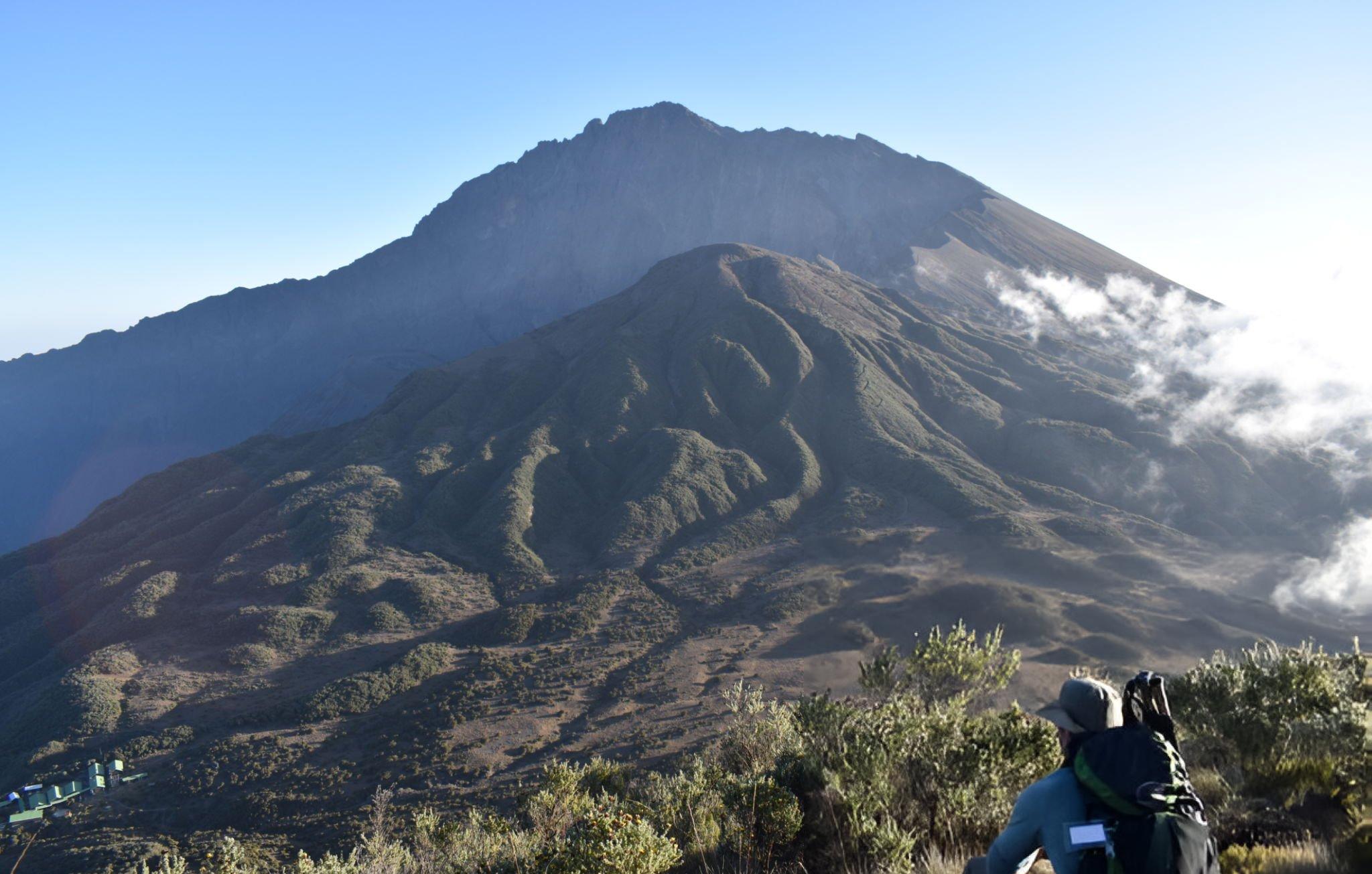
Mount Meru is widely known as Tanzania’s second-highest mountain, but what truly sets it apart from other trekking destinations in Africa is its extraordinary biodiversity. Located within Arusha National Park, this mountain is not only a geological marvel but also a thriving wildlife sanctuary. For travelers seeking both mountain adventure and safari-style experiences, Wildlife on Mount Meru creates a rare opportunity to witness animals in their natural habitats while trekking through diverse ecological zones.
Unlike many mountains where wildlife disappears at higher altitudes, Mount Meru’s lower and mid-slopes remain rich with animal life. The trek begins in open grasslands and acacia woodlands where large mammals roam freely. Giraffes often appear browsing treetops, zebras graze peacefully in herds, and warthogs dash across the trail with surprising speed. Buffalo, one of Africa’s most powerful wild animals, are also common in the area, which is why armed rangers accompany trekking groups during the early stages of the climb. This protective measure allows hikers to safely experience Wildlife on Mount Meru without disturbing the animals.
As the trail gradually enters the montane forest zone, the environment transforms into a lush, green world filled with towering trees, thick undergrowth, and vibrant birdlife. The forest canopy provides shelter for blue monkeys and black-and-white colobus monkeys, which are frequently spotted leaping between branches. Their playful behavior adds a lively atmosphere to the quiet forest trails. This region is also home to small antelope species such as bushbucks and duikers, which are more elusive but occasionally seen at dawn or dusk.
Bird enthusiasts find Mount Meru particularly rewarding because Arusha National Park supports hundreds of bird species. From colorful turacos and hornbills to sunbirds flashing metallic hues, the forest resonates with calls and songs throughout the day. Early morning treks offer the best birdwatching opportunities, when the forest is alive with activity and the light filters softly through misty trees. Observing Wildlife on Mount Meru in this setting feels like stepping into a living nature documentary.
Higher up the mountain, the forest gives way to heath and moorland zones where plant life becomes more specialized. While large mammals become less common at these elevations, smaller creatures and bird species adapted to high altitudes can still be observed. The shift in ecosystems demonstrates how wildlife adapts to changing temperatures and oxygen levels, making the trek not only an adventure but also an educational journey through nature’s resilience.
One of the unique aspects of Mount Meru’s wildlife experience is the coexistence of safari animals and mountain terrain. Few places in the world allow trekkers to walk through habitats shared by giraffes, buffalo, monkeys, and exotic birds on the same journey that leads toward an alpine summit. This combination is what makes Wildlife on Mount Meru such an extraordinary attraction for nature lovers and adventure seekers alike.
The presence of wildlife also highlights the importance of conservation efforts in the region. Arusha National Park is a protected area where strict rules ensure that animals and their habitats remain undisturbed. Trekking groups are required to stay on designated trails, maintain safe distances from animals, and follow guidance from park rangers. These practices help preserve the delicate balance between tourism and wildlife protection.
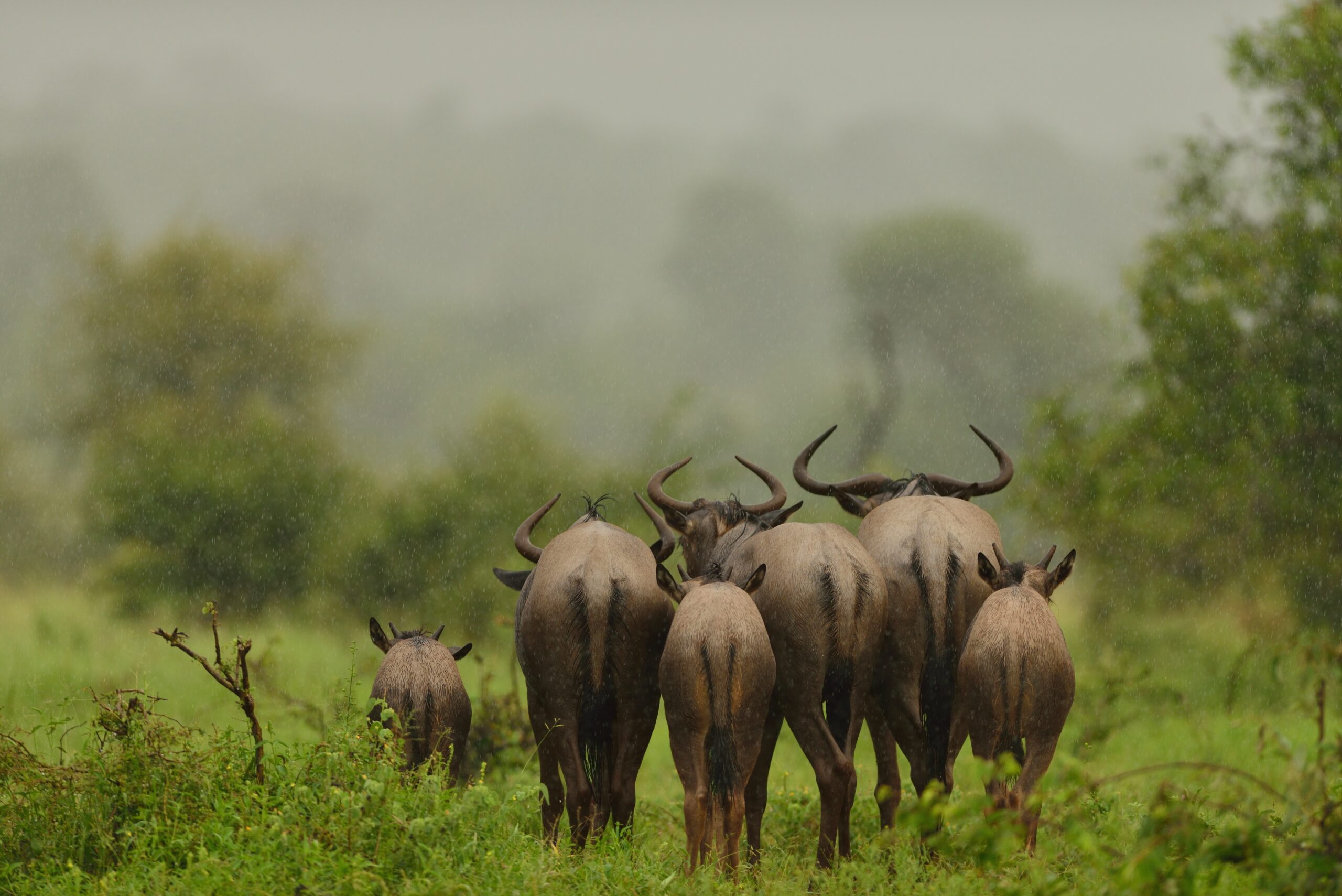
Seasonal changes influence animal sightings as well. During dry months, animals gather near water sources, increasing the likelihood of encounters. In wetter seasons, the vegetation becomes denser, offering animals more cover but also transforming the landscape into a lush, green paradise. Regardless of the season, the diversity of Wildlife on Mount Meru ensures that every trek brings unexpected and memorable encounters.
The sounds of nature form an essential part of the experience. From the rustling of leaves as monkeys move through the trees to the distant calls of birds echoing across valleys, the mountain feels alive at every step. Even the silence of higher altitudes carries its own sense of presence, reminding trekkers they are guests in a vast natural world.
In addition to mammals and birds, Mount Meru supports reptiles, insects, and plant species that contribute to its rich ecosystem. Butterflies flutter along forest paths, while unique alpine plants thrive in the moorland zone. Each layer of life plays a role in sustaining the mountain’s biodiversity, showing how interconnected these systems are.
For photographers and wildlife enthusiasts, the variety of landscapes provides ever-changing backdrops for capturing animals in their natural settings. Golden light at sunrise or sunset enhances the beauty of the scenery, while mist in the forest creates dramatic, atmospheric images. Documenting Wildlife on Mount Meru becomes both an artistic and emotional experience for many travelers.
The integration of wildlife viewing with trekking also promotes a deeper appreciation for Tanzania’s natural heritage. Instead of observing animals from a vehicle, trekkers move quietly through their environment on foot, fostering a sense of respect and connection. This slower, more immersive form of exploration often leaves a lasting impression long after the journey ends.
At Epic Horizons Adventures, we believe wildlife encounters should always be ethical, respectful, and unforgettable. Epic horizons Adventure we are looking extra miles to make sure every trek supports conservation while giving travelers safe and meaningful experiences in nature.
For more information about Arusha National Park and its wildlife conservation programs, visit:
https://www.tanzaniaparks.go.tz
You can also learn about African wildlife conservation efforts through:
https://www.africanparks.org
In summary, Mount Meru is not only a mountain to climb but a living ecosystem filled with animals, birds, and natural wonders. The chance to experience Wildlife on Mount Meru while trekking through diverse habitats makes this journey one of the most unique adventure experiences in Africa. Each step reveals new life, new sounds, and new appreciation for the incredible biodiversity that thrives on this remarkable mountain.
Mammals You Can Encounter While Trekking Mount Meru
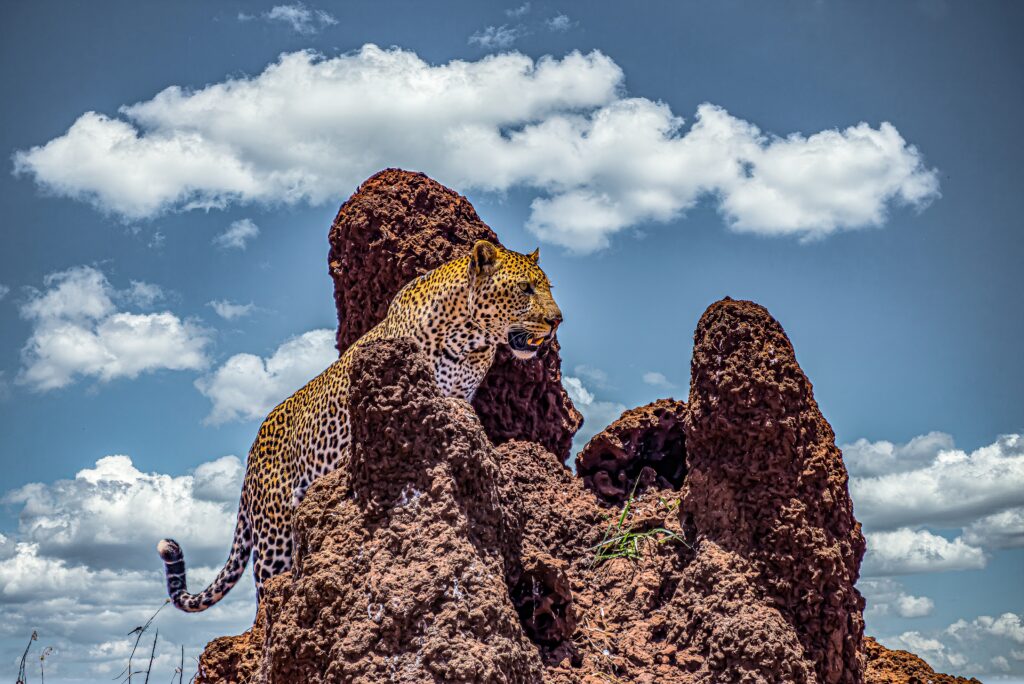
Trekking through Arusha National Park offers hikers an experience that feels like a moving wildlife documentary, where the boundary between safari and mountain expedition disappears and every step reveals signs of life thriving on the slopes of this ancient volcano. The lower elevations of Mount Meru are especially rich in large mammals, creating one of the rare trekking routes in Africa where hikers regularly share the landscape with iconic savannah species before even reaching the forest line. Among the most frequently sighted animals are giraffes, whose tall silhouettes often appear against the morning sky as they browse acacia treetops near the Momella Gate area. Their calm presence sets the tone for the journey, reminding trekkers that this is not just a climb but an immersion into Wildlife on Mount Meru at its most accessible and visually striking. Zebras are also common in these grassland zones, usually grazing in small groups and occasionally lifting their heads to watch passing hikers with cautious curiosity before returning to their feeding. Warthogs, easily recognized by their curved tusks and comical running style, dart across open clearings and disappear into burrows, adding moments of surprise and humor to the trek. Because these animals roam freely, armed park rangers accompany all climbing groups during the first stage of the hike, ensuring safety while also offering insight into animal behavior, tracking signs, and conservation efforts that protect Wildlife on Mount Meru from poaching and habitat loss. Buffalo are perhaps the most imposing mammals encountered in this region, often resting in shaded areas or moving slowly through bushy terrain, and their unpredictable nature is the main reason trekking parties maintain safe distances and follow ranger instructions carefully. As the trail climbs higher into the montane forest, the large open-country mammals gradually give way to species adapted to denser vegetation and cooler temperatures, transforming the wildlife experience into something quieter yet equally fascinating. Blue monkeys become common companions along the forest paths, their quick movements and social calls echoing through the canopy as they forage for fruits and leaves. These monkeys are highly adaptable and seem comfortable observing hikers from a safe height, offering excellent photographic opportunities in soft forest light. Black-and-white colobus monkeys, with their long flowing tails and striking coloration, are another highlight of Wildlife on Mount Meru, often seen leaping gracefully between tall trees in small family groups. Their slow, deliberate movements and preference for high branches make them appear almost weightless, a magical sight for anyone walking below. Deeper in the forest, bushbucks sometimes emerge at dawn or dusk, moving cautiously through undergrowth to feed on leaves and shoots before vanishing at the slightest disturbance. Though shy, their presence is often detected through rustling sounds or fresh tracks along the trail. Duikers, small antelope species well adapted to forest life, are even more elusive, usually active during early morning hours and rarely seen for more than a brief moment before they slip away into dense vegetation. These quieter forest encounters highlight a different side of Wildlife on Mount Meru, one defined by subtle movement, patience, and careful observation rather than dramatic open-plain scenes. Occasionally, trekkers may spot signs of larger predators such as leopards, though sightings are extremely rare due to their nocturnal and secretive habits. Rangers sometimes point out tracks or scratch marks on trees, reminders that these powerful cats share the same ecosystem even if they remain hidden from view. Small mammals also contribute to the mountain’s biodiversity, including hyraxes that live among rocky outcrops higher up the slopes. These rabbit-sized relatives of elephants are often seen basking on warm rocks during the day, emitting high-pitched calls that echo across cliffs and valleys. Their surprising evolutionary link to elephants fascinates many visitors and adds another layer of wonder to the diversity of life on the mountain. As trekkers approach the heath and moorland zones, mammal sightings become less frequent due to harsher conditions, but the earlier encounters leave a lasting impression that few mountain climbs can rival. The transition from giraffe-dotted plains to monkey-filled forests and then to rugged high-altitude landscapes demonstrates how Wildlife on Mount Meru is closely tied to changing vegetation zones and climate conditions. Seasonal patterns also influence mammal activity, with dry months often concentrating animals near water sources and open grazing areas, while rainy periods spread them across lush, green habitats that offer abundant food and cover. This variability means that no two treks are exactly the same, and each expedition offers unique wildlife moments shaped by weather, time of day, and natural migration patterns within the park. Observing animals on foot rather than from a safari vehicle creates a deeper sense of connection and respect, as hikers move quietly through habitats and become more aware of sounds, scents, and subtle movements in the environment. Guides play a vital role in interpreting these experiences, explaining feeding behaviors, territorial markings, and the ecological roles different species play in maintaining balance within the park. This educational aspect transforms wildlife viewing from simple sightseeing into meaningful understanding, enriching the journey far beyond physical achievement alone. Ethical trekking practices are essential to preserving these encounters, and visitors are reminded never to approach animals too closely, feed wildlife, or make loud noises that could disturb natural behavior. Such guidelines ensure that future generations can continue experiencing the same richness of biodiversity that defines this mountain today. At Epic Horizons Adventures, we believe every wildlife sighting should be safe, respectful, and unforgettable. Epic horizons Adventure we are looking extra miles to make sure our trekking operations support conservation goals while delivering life-changing experiences in nature. For those interested in learning more about the mammals of East Africa and their conservation status, helpful resources can be found through organizations such as the African Wildlife Foundation at https://www.awf.org and the Tanzania National Parks Authority at https://www.tanzaniaparks.go.tz. Together, these institutions work to protect habitats and ensure that Wildlife on Mount Meru continues to thrive alongside responsible tourism. The presence of so many species along a single trekking route is a powerful reminder that Mount Meru is not just a mountain to conquer but a living ecosystem to appreciate, where every footprint on the trail passes through a landscape shared with creatures that have roamed these slopes for generations. Experiencing this diversity firsthand leaves trekkers with lasting memories and a renewed commitment to protecting the natural world, proving that the true summit of the journey is not only the peak above but also the deeper understanding gained along the way through encounters with the remarkable Wildlife on Mount Meru.
Birdlife, Reptiles, and Smaller Creatures of Mount Meru
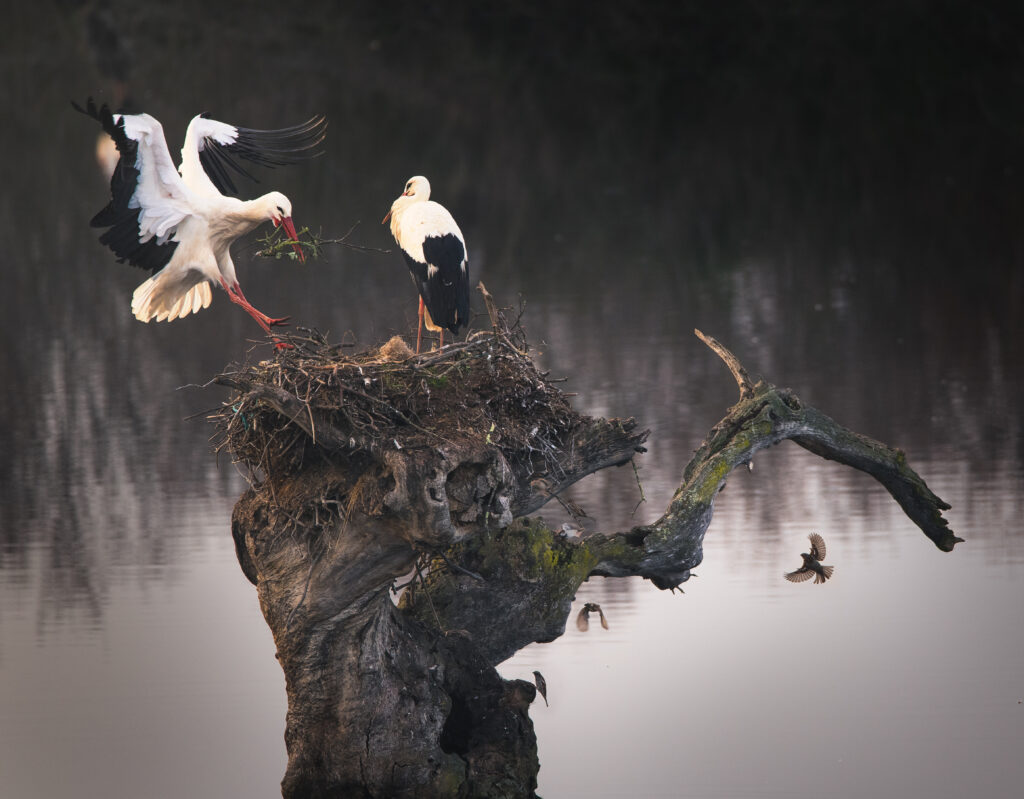
While large mammals often capture the spotlight, the smaller and more elusive species found on the mountain create an equally fascinating dimension of Wildlife on Mount Meru. From colorful forest birds to high-altitude insects and reptiles that bask in volcanic rock, the slopes of this mountain support a complex web of life that many trekkers only begin to notice once they slow their pace and tune into the finer details of the environment. These smaller creatures may not always make dramatic appearances, but they contribute significantly to the biodiversity that makes Mount Meru one of Tanzania’s most ecologically rich trekking destinations.
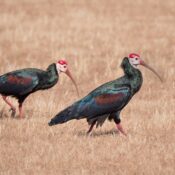
The lower forest zone is a paradise for birdwatchers. As sunlight filters through tall trees draped in moss, flashes of color dart between branches. Hartlaub’s turaco, with its deep green body and crimson wing patches, is one of the most sought-after sightings. Its echoing call rolls through the forest canopy in the early morning, often revealing its presence before it is seen. Silvery-cheeked hornbills glide between fruiting trees with heavy wingbeats, while smaller species like white-eyes and sunbirds move quickly among flowers, feeding on nectar and insects. This vibrant avian activity forms an important part of Wildlife on Mount Meru, especially in the montane forest where food and shelter are abundant year-round.
Higher in the trees, crowned eagles sometimes soar silently above the canopy, scanning for prey. Though rarely seen up close, their role as apex bird predators keeps smaller animal populations in balance. Forest edges also attract barbets and woodpeckers, whose rhythmic tapping echoes against tree trunks. Their presence signals a healthy ecosystem, as these birds help control insect populations and assist in seed dispersal. The interconnectedness of birdlife and plant life becomes increasingly clear as trekkers observe how each species depends on another for survival.
As the trail climbs into the heath and moorland zones, birdlife changes along with vegetation. Thick forests give way to open landscapes dotted with giant heathers and lobelias. Here, malachite sunbirds shimmer metallic green in the high-altitude sunlight, hovering near flowering plants. Alpine chats and augur buzzards patrol rocky slopes, well adapted to the cooler temperatures and thinner air. These species demonstrate how Wildlife on Mount Meru extends far beyond the lush forests below, reaching into seemingly harsh environments where life persists against the odds.
Reptiles also inhabit the lower, warmer slopes of the mountain, though they are often overlooked due to their camouflage and quiet behavior. Agama lizards, with bright blue bodies and orange heads during breeding season, can sometimes be seen basking on rocks or tree trunks. Their sudden dashes across trails surprise trekkers and offer brief glimpses of the reptilian life that thrives in sunny clearings. Skinks move through leaf litter, feeding on insects and contributing to natural pest control. Though small, these reptiles form an essential link in the ecological chain that supports Wildlife on Mount Meru.
In wetter areas and near streams, chameleons may be found moving slowly through branches, their independently rotating eyes scanning for insects. Their remarkable camouflage and deliberate movements make spotting one feel like discovering a hidden treasure of the forest. Frogs and other amphibians are also present in moist environments, particularly during rainy seasons when breeding activity increases. Their calls create a nighttime chorus that adds another sensory layer to the mountain’s living soundscape.
Insects, though often unnoticed, are among the most important inhabitants of Mount Meru. Butterflies drift along forest paths, their wings catching shafts of sunlight in brilliant blues, yellows, and oranges. Some species migrate seasonally, while others remain year-round, pollinating flowers and sustaining plant reproduction. Beetles, ants, and countless other insects work quietly in soil and vegetation, breaking down organic matter and recycling nutrients back into the ecosystem. Without them, the complex balance of Wildlife on Mount Meru would not be possible.
At higher elevations, life becomes more specialized. Fewer insects survive the colder temperatures, but hardy species of moths and beetles still exist among rocks and alpine plants. These creatures have adapted to extreme daily temperature changes, sheltering beneath stones during cold nights and emerging when sunlight warms the ground. Their survival illustrates nature’s incredible resilience even in environments that seem inhospitable.
Bird migration patterns also influence what trekkers may observe. Some species travel seasonally between lower forests and higher slopes depending on food availability. Others migrate from distant regions, using the mountain’s forests as temporary refuge. This constant movement means the composition of Wildlife on Mount Meru shifts throughout the year, offering different experiences in different seasons and rewarding repeat visitors with new sightings.
Sound plays a crucial role in discovering smaller wildlife. The rustle of leaves may indicate a lizard’s movement, while faint chirps signal hidden birds in dense foliage. Guides often teach trekkers how to pause and listen, transforming the hike into an immersive sensory experience. Learning to interpret these subtle signs deepens appreciation for the intricate layers of life surrounding the trail.
Conservation efforts within Arusha National Park help protect these less visible species just as much as large mammals. Healthy forests, clean water sources, and minimal human disturbance allow birds, reptiles, and insects to thrive. Trekkers contribute by staying on designated paths and avoiding actions that could damage fragile habitats, such as picking plants or disturbing rocks where small animals shelter.
Photography of small wildlife requires patience and respect. Using zoom lenses rather than approaching too closely helps avoid stress to animals. Many trekkers find that focusing on tiny details — a butterfly resting on a leaf or a sunbird feeding from a flower — becomes one of the most memorable aspects of the journey. These quiet moments often create stronger emotional connections than dramatic sightings alone.
At Epic Horizons Adventures, we celebrate every level of biodiversity found on the mountain. Epic horizons Adventure we are looking extra miles to make sure our treks promote awareness, conservation, and appreciation for even the smallest forms of life that make this ecosystem extraordinary.
For those interested in bird conservation and African avian species, valuable information can be found at https://www.birdlife.org. Reptile and amphibian conservation resources are also available through https://www.iucnredlist.org, which tracks global species health and protection efforts.
In the end, the smaller creatures of Mount Meru remind us that biodiversity is not measured only by size or visibility. Every bird call, butterfly wingbeat, and lizard track adds to the living mosaic that defines Wildlife on Mount Meru. Paying attention to these details transforms a mountain trek into a deeper exploration of life itself, revealing that even the quietest inhabitants play powerful roles in sustaining this remarkable natural environment.
Conservation, Human Interaction, and Protecting Mount Meru’s Natural Heritage
Mount Meru is more than a trekking destination; it is a protected ecological treasure whose survival depends on careful conservation and responsible tourism. Every forest trail, open grassland, and volcanic ridge forms part of a delicate system where plants, animals, climate, and human activity are closely connected. Understanding how conservation works on the mountain adds deeper meaning to every wildlife sighting and reminds visitors that their presence carries both privilege and responsibility. The continued survival of Wildlife on Mount Meru depends on sustainable practices that balance tourism, community involvement, and environmental protection.
Arusha National Park, where Mount Meru is located, operates under strict conservation policies set by Tanzania National Parks Authority (TANAPA). These rules limit the number of visitors, control where trekking is allowed, and ensure that habitats remain undisturbed. By regulating human activity, park authorities reduce stress on animal populations and prevent environmental degradation. Unlike unprotected wilderness areas, this structured approach helps ensure that tourism supports conservation rather than threatening it.
One of the most important aspects of conservation on Mount Meru is habitat protection. The mountain’s different ecological zones — from savannah to montane forest to alpine moorland — each support unique species. Deforestation, fires, or pollution in one zone can affect life at higher or lower elevations. Rangers monitor vegetation health and wildlife movement patterns to detect changes early. These efforts help maintain the balance that allows Wildlife on Mount Meru to thrive across multiple habitats.
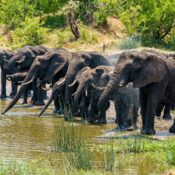
Anti-poaching patrols play a crucial role as well. Although Arusha National Park is considered relatively secure, illegal hunting remains a threat in many parts of Africa. Rangers conduct regular patrols to deter poaching and remove traps that could injure animals. Tourism revenue directly supports these operations, meaning that every trekking permit contributes to the protection of elephants, buffalo, antelope, and countless smaller species.
Community involvement is another pillar of conservation success. Villages surrounding the park benefit from employment opportunities linked to tourism, including guiding, portering, cooking, and hospitality services. When local communities gain economic value from wildlife tourism, they are more motivated to support conservation efforts and discourage illegal activities. This partnership between parks and people helps protect Wildlife on Mount Meru while improving livelihoods in nearby regions.
Education also plays a powerful role. Guides share knowledge about animal behavior, plant ecology, and conservation challenges during treks. These lessons transform visitors into ambassadors for nature protection when they return home. Awareness leads to advocacy, and advocacy supports long-term preservation of fragile ecosystems like those found on Mount Meru.
Responsible trekking practices are essential in minimizing environmental impact. Trekkers are instructed to stay on designated trails to prevent soil erosion and vegetation damage. Stepping off-trail may seem harmless, but repeated disturbance can destroy plant life that takes years to recover. Following park rules ensures that natural habitats remain intact for future generations to experience Wildlife on Mount Meru in its full diversity.
Waste management is another critical issue. All trash must be packed out or disposed of properly at designated facilities. Even biodegradable waste like fruit peels can disrupt animal diets and attract wildlife to human areas, altering natural behavior. Clean trekking habits help maintain the mountain’s ecological balance and reduce pollution risks.
Water sources on the mountain are carefully protected because they support both wildlife and surrounding communities. Streams flowing from Meru feed wetlands and lakes within the park ecosystem. Contaminating these sources through careless disposal of soap, chemicals, or waste could affect countless species. Trekkers are encouraged to use eco-friendly products and follow strict hygiene guidelines near water.
Climate change presents a growing challenge to mountain ecosystems worldwide, and Mount Meru is no exception. Changes in rainfall patterns and temperature can shift vegetation zones, affecting food availability for animals. Conservation programs increasingly focus on long-term environmental monitoring to understand how these changes impact Wildlife on Mount Meru and how adaptive strategies can protect biodiversity.
Tourism operators also have a responsibility to reduce their environmental footprint. Ethical companies train staff in Leave No Trace principles, provide reusable water containers, and manage porter loads fairly to ensure sustainable working conditions. These practices protect both natural environments and the people who depend on them.
Research contributes to conservation planning as well. Scientists study wildlife populations, migration patterns, and plant diversity within Arusha National Park. Their findings help park authorities adjust policies and identify areas needing extra protection. Collaboration between researchers, rangers, and tour operators strengthens the overall conservation framework.
Visitors can actively support conservation by choosing responsible operators and respecting park guidelines. Simple actions like keeping noise levels low, observing animals from a distance, and avoiding litter make a significant difference. Ethical travel ensures that Wildlife on Mount Meru remains wild rather than becoming accustomed to human interference.
Photography ethics are equally important. Flash photography can disturb animals, especially nocturnal or sensitive species. Maintaining distance and using zoom lenses allows photographers to capture images without altering natural behavior. Respectful observation preserves authentic wildlife experiences for everyone.
At Epic Horizons Adventures, conservation is at the heart of every expedition. Epic horizons Adventure we are looking extra miles to make sure our treks protect ecosystems, empower local communities, and create meaningful connections between travelers and nature. By operating responsibly, we help safeguard Wildlife on Mount Meru while delivering unforgettable adventures.
International organizations also contribute to conservation knowledge and funding. Travelers interested in learning more about African wildlife protection can explore resources from the World Wildlife Fund at https://www.worldwildlife.org and conservation research updates from the African Wildlife Foundation at https://www.awf.org. These groups work alongside local authorities to preserve habitats across the continent.
The future of Mount Meru depends on continued cooperation between governments, communities, scientists, and travelers. Conservation is not a single action but an ongoing commitment that evolves as environmental challenges change. Every trekker who respects the mountain becomes part of that effort.
In the end, protecting Mount Meru means preserving more than scenery; it means safeguarding an entire living system where animals roam freely, forests breathe life into the air, and volcanic landscapes tell stories millions of years old. By practicing responsible tourism and supporting conservation initiatives, we ensure that Wildlife on Mount Meru remains vibrant, diverse, and inspiring for generations to come.