Best Route Kilimanjaro Guide 2026/2027 Is One of Kilimanjaro’s Finest Trails. This in-depth guide explores everything you need to know about the Lemosho Route from itinerary and difficulty level to altitude tips, packing advice, success rates, and expert recommendations for a successful summit.
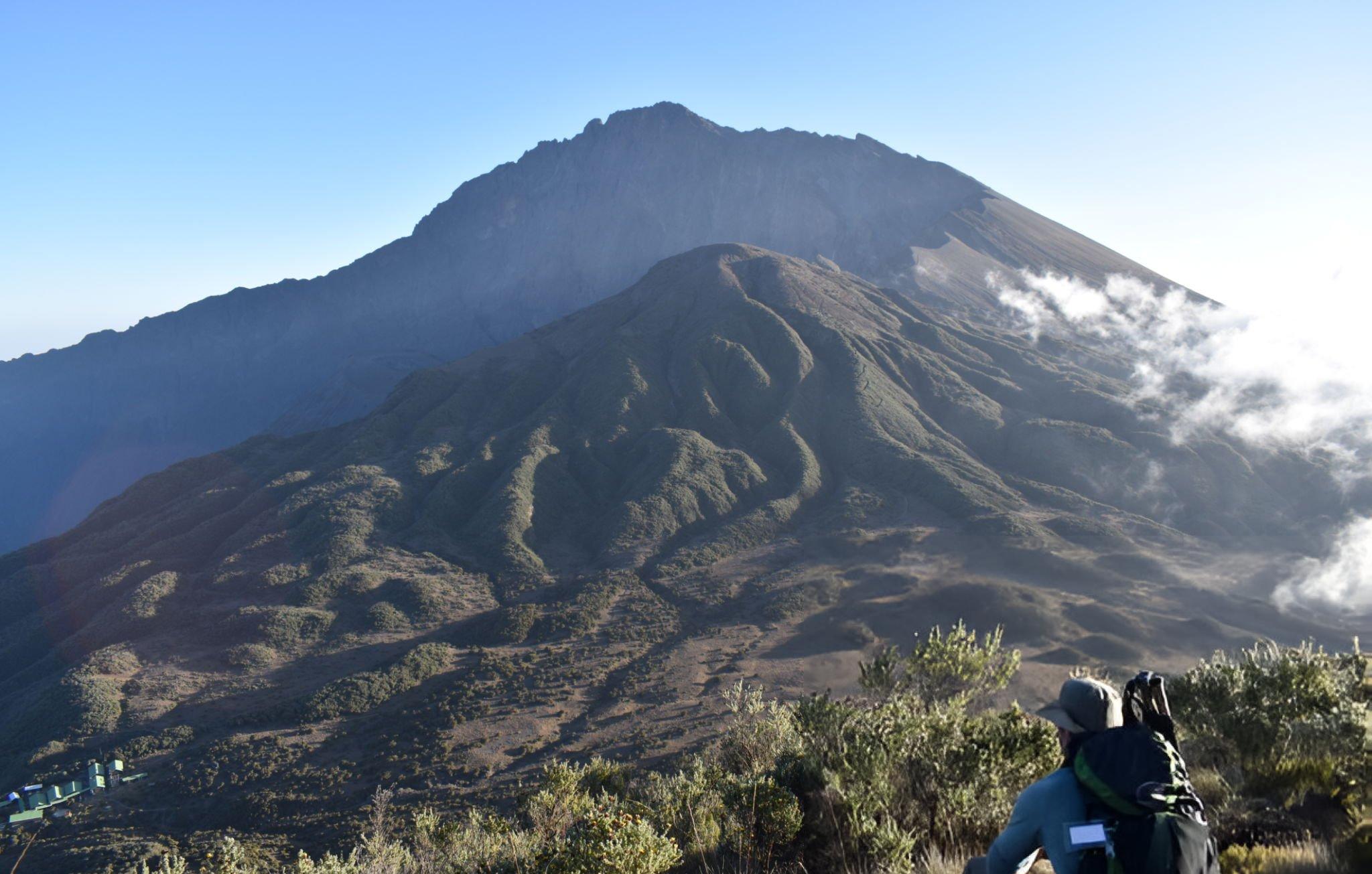
The Lemosho Route is widely considered one of the most beautiful, well-balanced, and successful paths to the summit of Mount Kilimanjaro, the highest mountain in Africa at 5,895 meters (19,341 feet). Known for its remote wilderness feel, diverse ecosystems, and excellent acclimatization profile, the Lemosho Route has become a top choice for climbers planning their adventure in 2026, 2027, and 2028.
Whether you’re a first-time trekker dreaming of standing on the “Roof of Africa” or an experienced hiker looking for a scenic and less crowded ascent, the Lemosho Route offers a perfect balance of challenge, beauty, and high summit success rates.
Best Lemosho Route Kilimanjaro Guide 2026/2027 : What Makes the Lemosho Route Special?
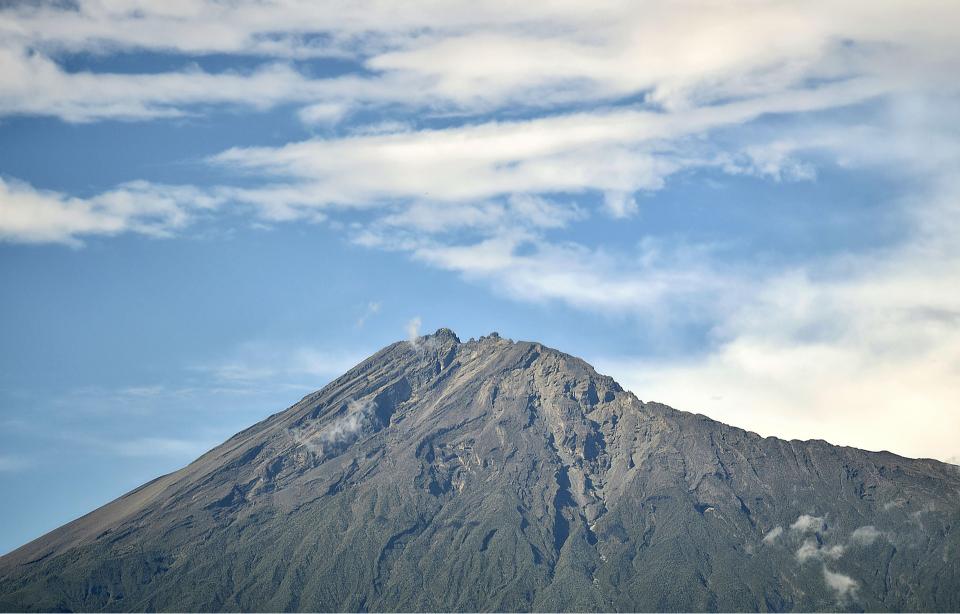
Among all Kilimanjaro climbing routes, Lemosho stands out for its unique combination of wilderness, gradual ascent, and panoramic views. Unlike busier routes such as Machame or Marangu, Lemosho begins on the western side of Kilimanjaro, offering trekkers a quieter and more pristine experience.
Here’s why climbers love it:
- Remote and less crowded trail
- Exceptional acclimatization profile
- High summit success rate
- Stunning panoramic landscapes
- Gradual and scenic ascent
- Wildlife viewing in the rainforest zone
The route is often described as the most scenic way to climb Kilimanjaro, making it ideal for photographers and nature lovers.
Best Lemosho Route Kilimanjaro Guide 2026/2027 : Lemosho Route Overview
Before diving into the daily itinerary, it’s important to understand the basic structure of the route:
- Total Distance: Approximately 70–72 km (43–45 miles)
- Duration: 7 to 8 days (recommended 8 days)
- Difficulty Level: Moderate to challenging
- Success Rate: High (especially on 8-day option)
- Starting Point: Londorossi Gate (western Kilimanjaro)
The longer duration compared to other routes significantly improves acclimatization, making Lemosho one of the safest choices for summit success.
Best Lemosho Route Kilimanjaro Guide 2026/2027 :8-Day Lemosho Route Itinerary
Day 1: Londorossi Gate to Mti Mkubwa Camp
The journey begins in lush rainforest at the western base of Kilimanjaro. After registration at the gate, trekkers enter a dense jungle filled with ancient trees, moss-covered branches, and exotic wildlife.
You may spot:
- Blue monkeys
- Colobus monkeys
- Colorful tropical birds
The trail is peaceful, humid, and full of life, setting the tone for the adventure ahead.
Hiking time: 3–5 hours
Elevation gain: Moderate
Overnight: Mti Mkubwa Camp
Day 2: Mti Mkubwa Camp to Shira 1 Camp
As you climb higher, the rainforest gradually gives way to heath and moorland vegetation. The landscape opens up, revealing sweeping views of the Shira Plateau.
Massive volcanic rock formations begin to dominate the scenery, while giant groundsels and lobelias appear along the trail.
This is your first real taste of Kilimanjaro’s high-altitude environment.
Day 3: Shira 1 Camp to Shira 2 Camp
Today is a relatively gentle hike across the vast Shira Plateau. This section is important for acclimatization, allowing your body to adjust to thinner air.
The views are breathtaking, with clouds rolling below you and Mount Kilimanjaro’s summit often visible in the distance.
The plateau feels like another world entirely open, quiet, and surreal.
Day 4: Shira 2 Camp to Lava Tower to Barranco Camp
This is one of the most important days for acclimatization.
You ascend to Lava Tower (4,600 m) before descending to Barranco Camp. This “climb high, sleep low” strategy helps your body adapt to altitude more effectively.
While the climb may feel challenging, the descent to Barranco is rewarding, with dramatic landscapes and towering cliffs surrounding the valley.
Barranco Camp is one of the most beautiful campsites on Kilimanjaro.
Day 5: Barranco Camp to Karanga Camp
The day begins with the famous Barranco Wall, a steep but non-technical climb that requires light scrambling. Though it looks intimidating, most climbers find it exciting and manageable.
Once at the top, you are rewarded with incredible views of glaciers and valleys.
The trail continues through ridges and valleys before reaching Karanga Camp.
Day 6: Karanga Camp to Barafu Camp
Today’s hike takes you to Barafu Camp, the final base before summit night. The terrain becomes increasingly rocky and barren, resembling an alpine desert.
Barafu Camp is cold, exposed, and quiet perfect for resting before the final ascent.
Here, guides prepare climbers mentally and physically for the midnight summit attempt.
Day 7: Summit Day – Barafu Camp to Uhuru Peak to Mweka Camp
This is the most challenging and emotional day of the entire journey.
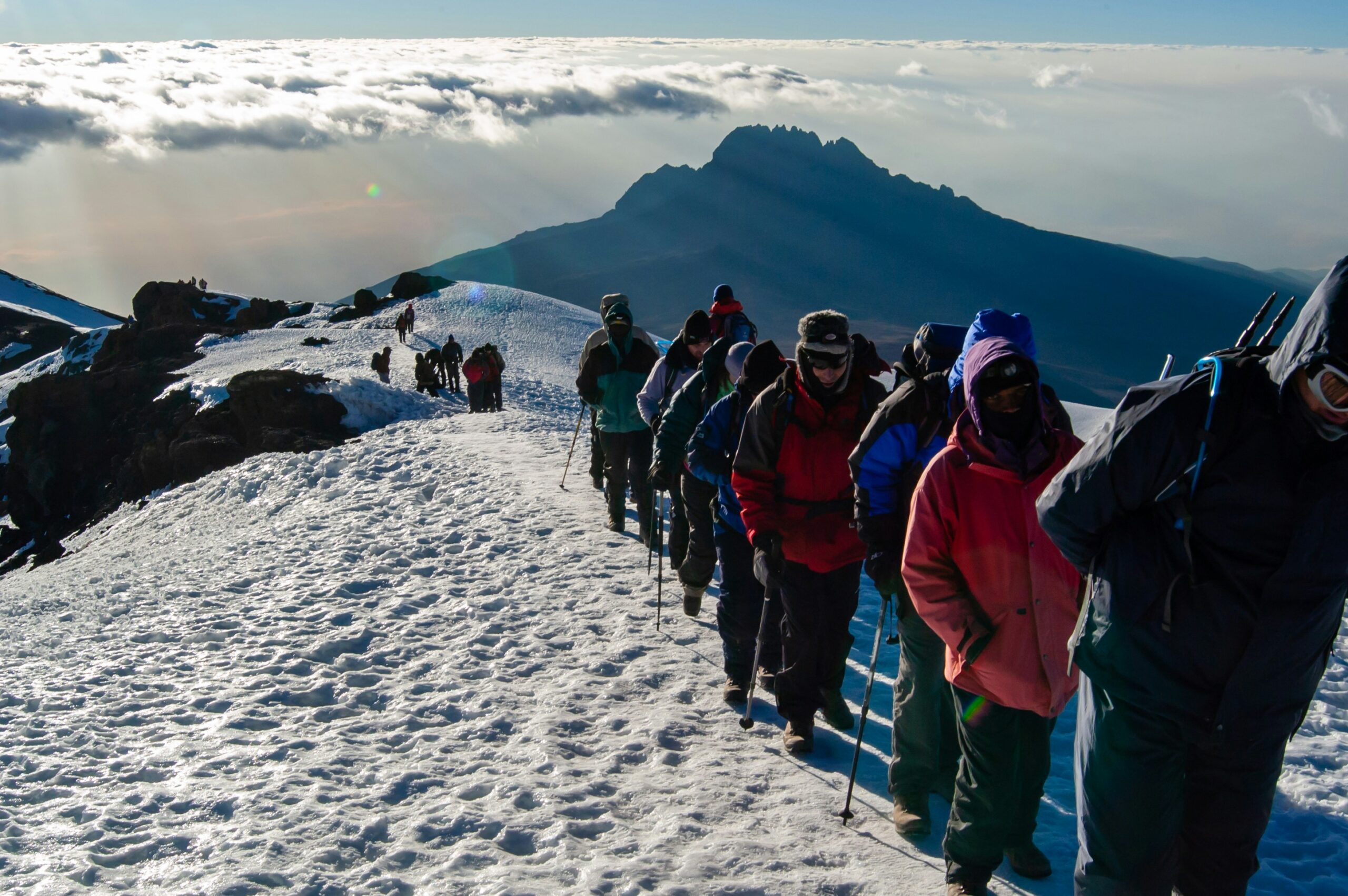
You begin the ascent around midnight, hiking slowly under a sky full of stars. The temperature drops significantly, and the air becomes thinner as you climb toward the summit ridge.
After hours of steady climbing, you reach Stella Point (5,756 m), where the sunrise over Africa is unforgettable.
From there, a final push takes you to:
Uhuru Peak (5,895 m)
The highest point in Africa and one of the most rewarding achievements in trekking.
After celebrating, taking photos, and soaking in the moment, you descend back to Barafu and continue down to Mweka Camp.
Day 8: Mweka Camp to Mweka Gate
The final descent takes you back through the lush rainforest. The air becomes richer in oxygen, and tired legs slowly recover as you approach the gate.
At Mweka Gate, climbers receive their summit certificates, marking the end of an unforgettable adventure.
Best Lemosho Route Kilimanjaro Guide 2026/2027 Difficulty Level: Is the Lemosho Route Hard?
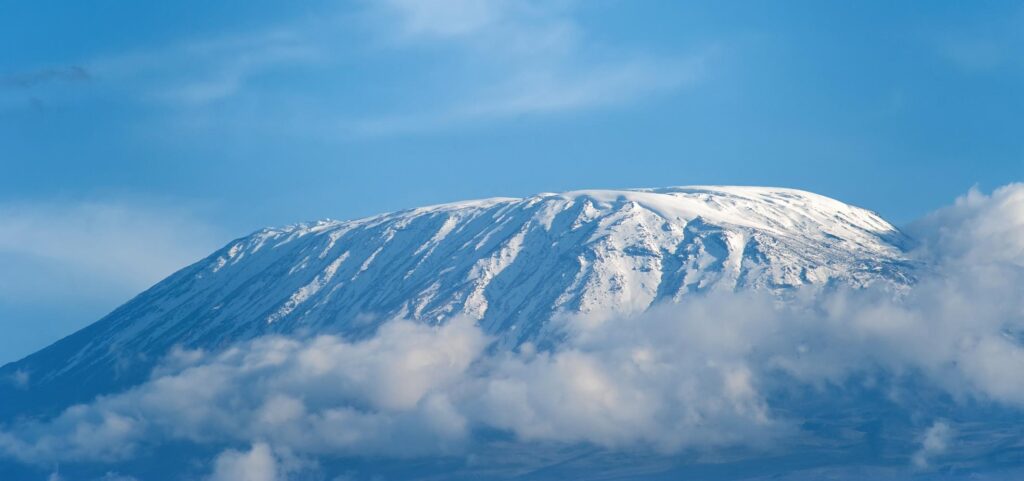
The Lemosho Route is considered moderate to challenging, but not technical. You do not need climbing skills or equipment like ropes or harnesses.
However, the real challenge is altitude, not terrain.
Key difficulty factors:
- High elevation gain
- Long trekking days
- Cold summit night
- Reduced oxygen levels
With proper pacing and acclimatization, most healthy trekkers can successfully complete the route.
Best Lemosho Route Kilimanjaro Guide 2026/2027 : Why Lemosho Has High Success Rates
Best Lemosho Route Kilimanjaro Guide 2026/2027 is widely recognized as one of the routes with the highest summit success rates, especially when trekked over 7 to 8 days. The main reason is its excellent acclimatization profile, which gives climbers more time to adapt gradually to increasing altitude.
Unlike shorter routes that ascend quickly, Lemosho starts on the quieter western side of the mountain and follows a slow, steady climb. This allows the body to adjust to reduced oxygen levels step by step, significantly lowering the risk of acute mountain sickness (AMS). The inclusion of key acclimatization days, such as the hike from Shira Plateau to Lava Tower and then descending to Barranco Camp, follows the important mountaineering principle of “climb high, sleep low,” which is proven to improve oxygen adaptation.
Another major factor is the longer itinerary options, particularly the 8-day version. The extra days reduce physical strain, give trekkers more recovery time, and prevent rapid fatigue buildup. This is especially important on summit night, when climbers must ascend from Barafu Camp to Uhuru Peak in extremely cold, low-oxygen conditions.
The route also benefits from lower crowd pressure compared to busier trails like Machame or Marangu. Fewer crowds mean a more relaxed pace, better guide attention, and less rush during critical sections of the climb. Guides can closely monitor climbers’ health and adjust the pace when necessary, which greatly increases safety and success chances.
Additionally, Lemosho’s gradual terrain transition from rainforest to moorland, alpine desert, and finally arctic summit zones helps the body progressively adapt to environmental changes The Lemosho Route is known for its excellent summit success rates, especially the 8-day version.
Reasons include:
- Gradual ascent profile
- Better acclimatization days
- Lower crowd pressure
- Balanced daily hiking distances
- Professional guiding support
Compared to shorter routes, Lemosho gives the body more time to adjust, reducing the risk of altitude sickness.
Best Lemosho Route Kilimanjaro Guide 2026/2027 : Best Time to Climb Lemosho Route (2026–2028)
The best climbing seasons remain consistent:
January to March
- Cooler temperatures
- Fewer climbers
- Clear summit views
June to October
- Dry season
- Best visibility
- Most popular period
Avoid:
- April to May (heavy rains)
- November (short rains)
Weather plays a major role in comfort and visibility, but Kilimanjaro can technically be climbed year-round.
Best Lemosho Route Kilimanjaro Guide 2026/2027 : What to Pack for the Lemosho Route
Proper gear can make or break your experience.
Essential items include:
- Waterproof hiking boots
- Insulated down jacket
- Thermal base layers
- Sleeping bag rated for -10°C or lower
- Hiking poles
- Gloves and warm hat
- Rain jacket and pants
- Headlamp
- Sunglasses and sunscreen
- Hydration system or bottles
- Daypack and duffel bag
Layering is key due to changing climates across different zones.
Best Lemosho Route Kilimanjaro Guide 2026/2027 : Food and Accommodation on the Route
Despite being a remote mountain trek, food on Kilimanjaro is surprisingly good.
Typical meals include:
- Soups (vegetable, chicken)
- Rice and pasta dishes
- Fresh fruit
- Eggs and pancakes
- Vegetables and stews
- Tea, coffee, and hot chocolate
Accommodation is in mountain tents provided by trekking companies. Camps are basic but comfortable enough for resting between hikes.
Best Lemosho Route Kilimanjaro Guide 2026/2027 : Altitude Sickness: What You Need to Know
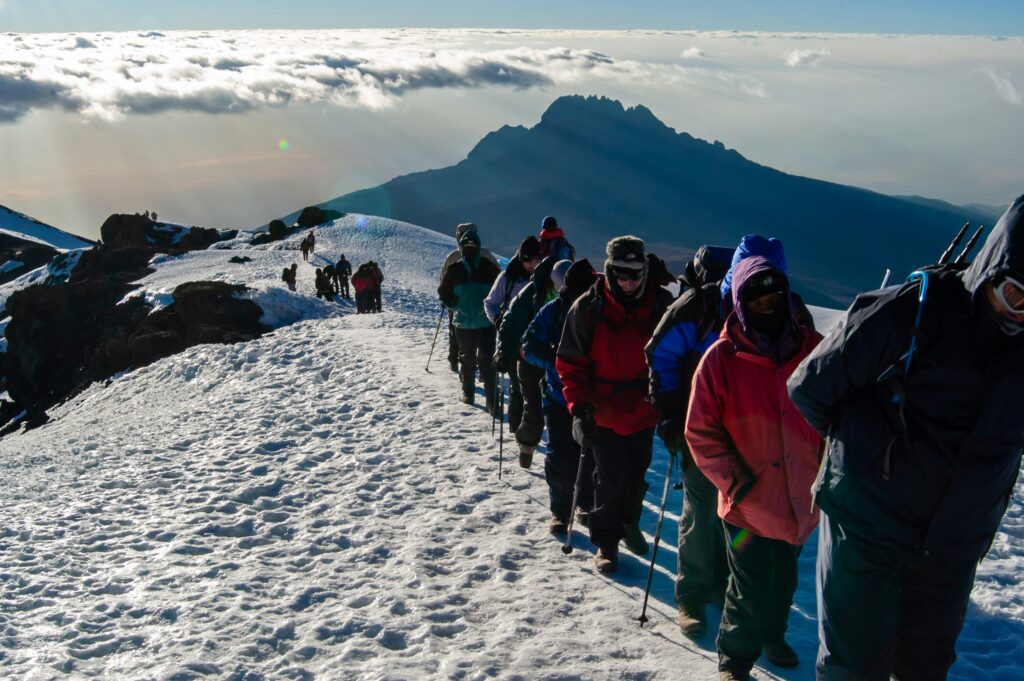
Altitude sickness is the biggest challenge on Kilimanjaro, not physical fitness.
Common symptoms include:
- Headache
- Nausea
- Fatigue
- Loss of appetite
- Dizziness
To reduce risk:
- Ascend slowly
- Drink 3–4 liters of water daily
- Eat regularly
- Follow your guide’s instructions
- Consider acclimatization days seriously
Best Lemosho Route Kilimanjaro Guide 2026/2027 : Training Tips for Lemosho Route
You don’t need to be an athlete, but preparation is important.
Recommended training:
- Hiking with elevation gain
- Stair climbing
- Cardio workouts (running, cycling)
- Strength training (legs and core)
- Long weekend hikes with a backpack
Start training at least 8–12 weeks before your climb.
Best Lemosho Route Kilimanjaro Guide 2026/2027: Why Lemosho Route Is Worth It
Best Lemosho Route Kilimanjaro Guide 2026/2027 offers one of the most rewarding trekking experiences in the world. From its quiet rainforest start to its dramatic summit sunrise at Uhuru Peak, every step feels like a journey through multiple worlds.
Its combination of beauty, acclimatization, and success rate makes it one of the best choices for climbing Mount Kilimanjaro in 2026, 2027, and 2028.
For many climbers, Lemosho is not just a route it is a life changing adventure that stays in memory forever.
If you are planning your Kilimanjaro expedition, choosing the Lemosho Route gives you the best chance to enjoy the mountain fully, safely, and successfully.
📧 Email: hello@epichorizonsadventures.com
📱 WhatsApp: +255 745187003