Best Marangu Route 2026/2027: Why the Marangu Route Still Captures Climbers’ Hearts
Best Marangu Route 2026/2027 is detailed guide explores everything you need to know about the Best Marangu Route in 2026 and 2027, including itinerary breakdown, difficulty level, success rates, accommodation experience, altitude challenges, packing lists, training tips, and expert strategies to help you reach Uhuru Peak successfully.
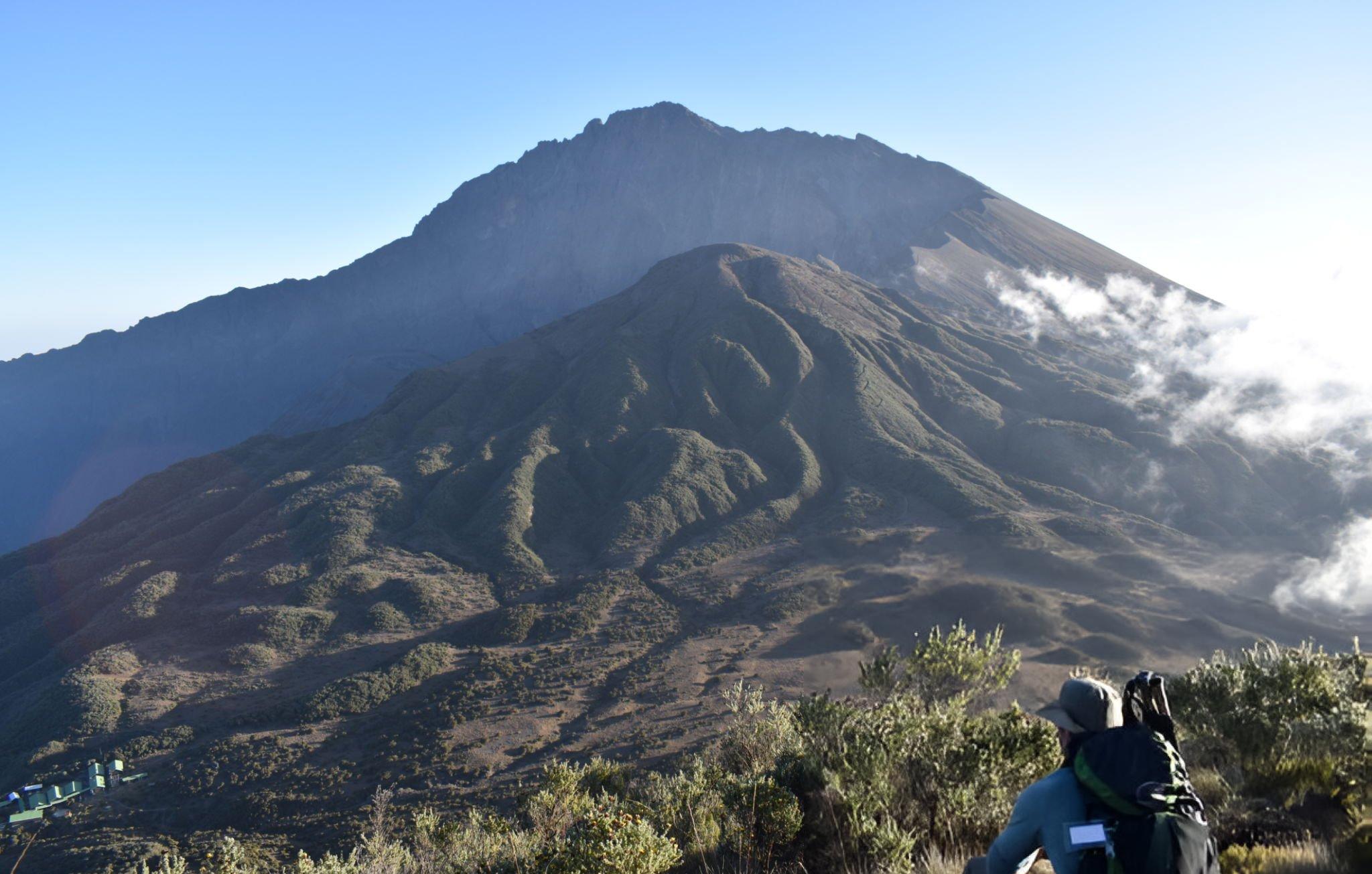
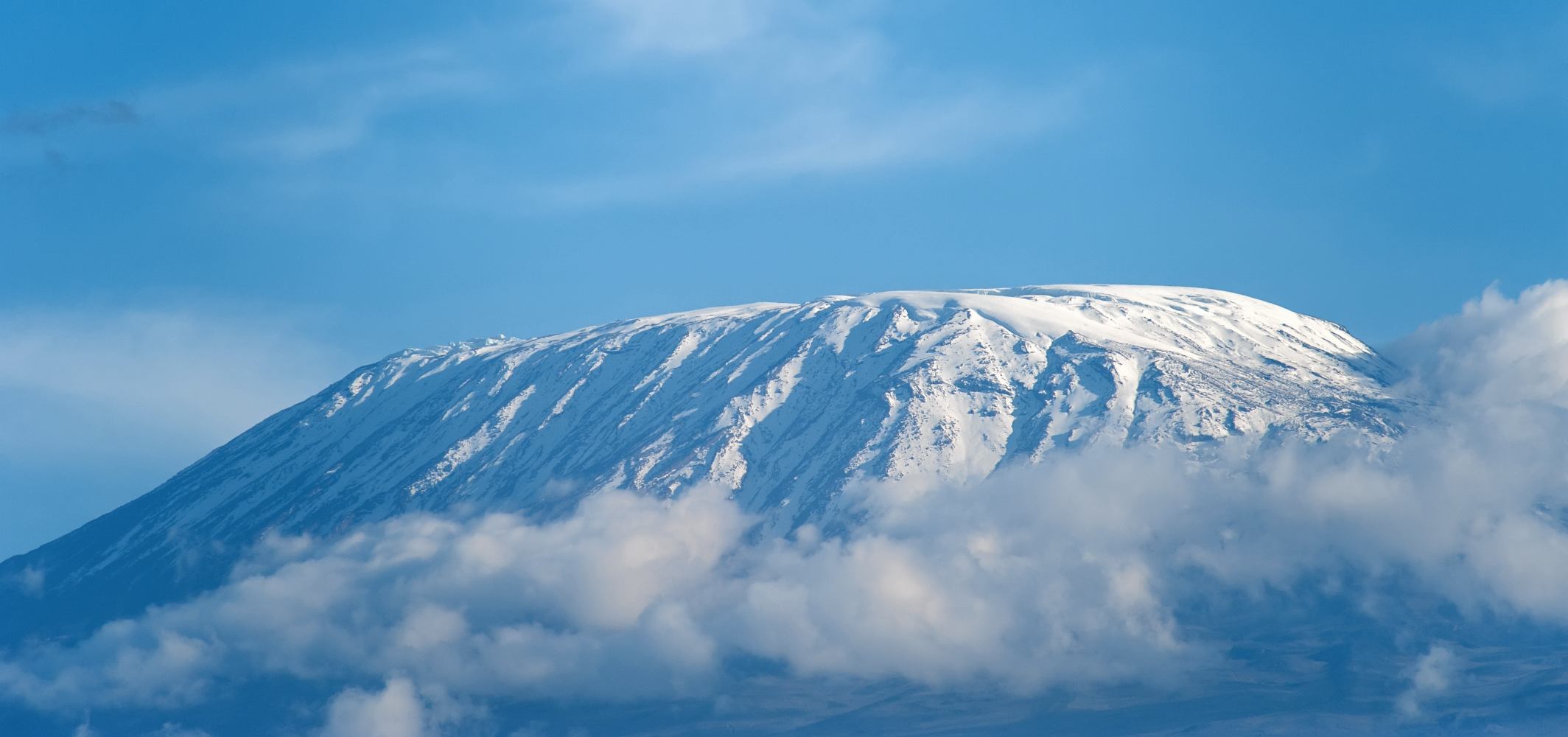
The Marangu Route remains one of the most iconic and widely recognized paths to the summit of Mount Kilimanjaro, Africa’s highest mountain standing proudly at 5,895 meters (19,341 feet). Known globally as the “Coca-Cola Route,” Marangu has built a strong reputation over decades as the most direct and structured way to reach the Roof of Africa.
For climbers planning their adventure in 2026 and 2027, the Marangu Route continues to attract attention for its unique blend of comfort, history, and simplicity. Unlike other Kilimanjaro routes that require camping, Marangu offers permanent mountain huts, making it especially appealing to trekkers who prefer more shelter and predictability during their climb.
But while it may appear easier or more comfortable on the surface, Marangu is still a serious high-altitude expedition. The mountain does not become less challenging simply because the route feels more organized. In fact, the shorter itinerary and faster ascent make altitude management one of the biggest challenges climbers must prepare for.
Best Marangu Route 2026/2027: Understanding What Makes the Marangu Route Special
Among all Kilimanjaro climbing routes, Marangu holds a unique place because it is the only route with hut accommodation instead of camping. This single feature sets it apart and makes it one of the most beginner-friendly options in terms of comfort.
Key Characteristics of the Marangu Route:
- Permanent dormitory-style huts at all major camps
- A direct and well-established trail system
- Relatively short climbing duration (5–6 days)
- Out-and-back route (same path up and down)
- Faster access to the summit compared to scenic routes
Best Marangu Route 2026/2027 is detailed guide explores everything you need to know about the Best Marangu Route in 2026 and 2027, including itinerary breakdown, difficulty level, success rates, accommodation experience, altitude challenges, packing lists, training tips, and expert strategies to help you reach Uhuru Peak successfully. is often described as the “classic Kilimanjaro experience” because it was one of the earliest established trekking paths on the mountain. It carries a sense of tradition and history that many climbers still appreciate today.
However, this convenience comes with a trade-off: the ascent is faster than other routes, which gives the body less time to adjust to thinning oxygen levels.

Best Marangu Route 2026/2027: Marangu Route Overview for 2026 and 2027 Climbers
Before choosing this route, it’s important to understand its structure and physical demands.
- Total Duration: 5 to 6 days
- Distance Covered: Approximately 72 km (45 miles round trip)
- Difficulty Level: Moderate terrain, challenging altitude
- Accommodation: Mountain huts (Mandara, Horombo, Kibo)
- Starting Point: Marangu Gate (southeastern Kilimanjaro)
- Recommended Itinerary: 6 days (for better acclimatization)
- Success Rate:
- 5-day route: ~50–65%
- 6-day route: ~70–85%
The biggest factor influencing success is not physical strength but how well the body adapts to altitude over time.
Best Marangu Route 2026/2027: 6-Day Marangu Route Itinerary (Recommended for Success)
Day 1: Marangu Gate to Mandara Hut
The journey begins at Marangu Gate, where climbers register and officially enter the Kilimanjaro National Park. The trail quickly leads into a lush tropical rainforest filled with towering trees, vines, and dense vegetation.
This section is peaceful, humid, and alive with wildlife. You may encounter:
- Colobus monkeys swinging through trees
- Blue monkeys along the trail
- Colorful tropical birds
The hike is relatively gentle, making it a great introduction to multi-day trekking.
- Hiking time: 4–5 hours
- Altitude: ~2,700 m
- Overnight: Mandara Hut
Day 2: Mandara Hut to Horombo Hut
As the trail climbs higher, the rainforest begins to fade and gives way to heath and moorland landscapes. The scenery opens dramatically, revealing wide views of the mountain and surrounding plains.
This is a longer hiking day, but the terrain is steady and manageable.
- Hiking time: 6–8 hours
- Altitude: ~3,720 m
- Overnight: Horombo Hut
Horombo Hut is one of the busiest stops on the route, often filled with climbers from different countries sharing meals, stories, and excitement about the journey ahead.
Day 3: Acclimatization Day at Horombo Hut
This is one of the most important days on the entire route.
Instead of continuing upward immediately, climbers stay at Horombo Hut and take a short acclimatization hike toward Zebra Rocks or Mawenzi Ridge. This follows the essential mountaineering principle of “climb high, sleep low.”
This day significantly improves oxygen adaptation and increases summit success chances.
Skipping acclimatization is one of the biggest reasons climbers struggle later on the mountain.
Day 4: Horombo Hut to Kibo Hut
The landscape changes dramatically as climbers enter the alpine desert zone. Vegetation disappears, leaving behind volcanic rock, dust, and wide open terrain.
The environment becomes quiet and almost lunar in appearance.
Kibo Hut is the final stop before summit night and sits at the base of the crater wall.
- Hiking time: 5–7 hours
- Altitude: ~4,703 m
- Overnight: Kibo Hut
Most climbers rest early in preparation for the midnight summit push.
Day 5: Summit Attempt – Kibo Hut to Uhuru Peak and Return to Horombo Hut
This is the most physically and emotionally demanding part of the entire journey.
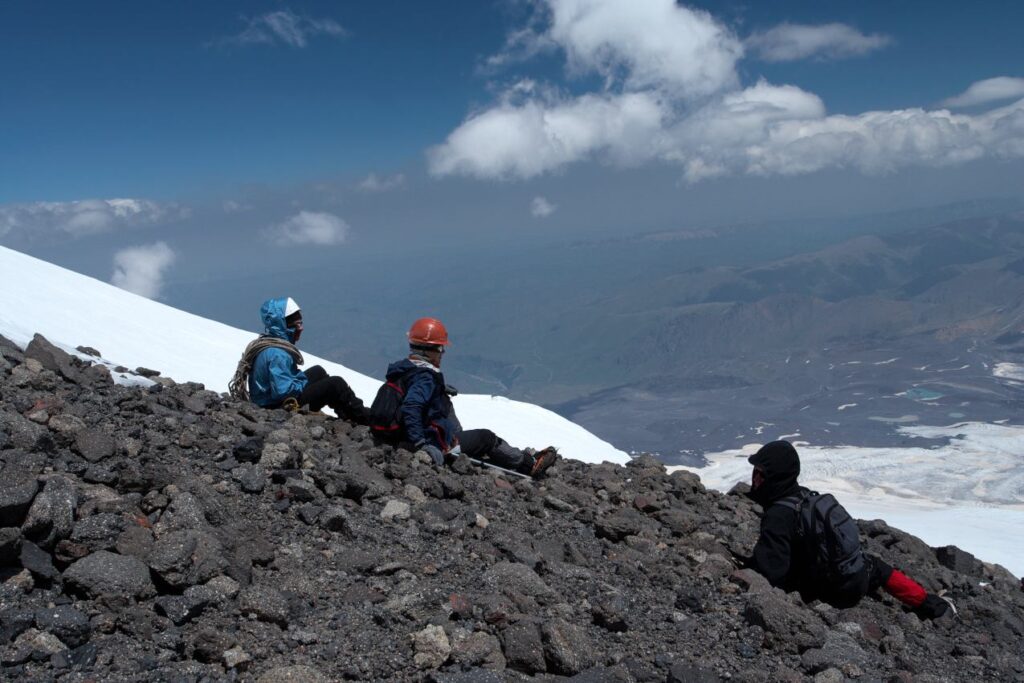
Climbers begin the ascent around midnight under freezing temperatures and a sky full of stars. The pace is extremely slow and steady due to thin oxygen levels.
After several hours of climbing, trekkers reach Gilman’s Point (5,685 m) on the crater rim. From here, a final push leads to:
Uhuru Peak (5,895 m)
Standing at the highest point in Africa is a deeply emotional experience. Many climbers describe it as a life-changing moment filled with relief, joy, and pride.
After celebrating briefly, the descent begins back to Kibo Hut and continues further down to Horombo Hut for rest.
- Total hiking time: 12–16 hours
Day 6: Horombo Hut to Marangu Gate
The final day is a long descent through rainforest once again. Oxygen levels feel refreshing, and tired legs gradually recover.
At Marangu Gate, climbers receive official summit certificates marking the completion of their Kilimanjaro journey.
Best Marangu Route 2026/2027: Why the Marangu Route Has Moderate Success Rates
The Marangu Route is often misunderstood as the easiest Kilimanjaro route, but success rates depend heavily on acclimatization time rather than terrain difficulty.
The main challenge is rapid ascent.
Scientific studies on high-altitude trekking consistently show that shorter itineraries increase the risk of altitude sickness because the body does not have enough time to adapt to reduced oxygen levels.
On Marangu, especially the 5-day option, climbers ascend too quickly. Even the 6-day version requires careful pacing and hydration.
Best Marangu Route 2026/2027: Is the Marangu Route Easy?
The answer is both yes and no.
What makes it feel easier:
- No technical climbing required
- Clear and direct trail
- Hut accommodation instead of tents
- Predictable daily structure
What makes it difficult:
- Fast altitude gain
- Long summit day (12–16 hours)
- Cold and exhausting final ascent
- Reduced oxygen at high camps
So while Marangu is physically simple, it is physiologically demanding.
Best Marangu Route 2026/2027: Accommodation Experience: Staying in Mountain Huts
One of Marangu’s biggest attractions is its hut system.
Main huts include:
- Mandara Hut
- Horombo Hut
- Kibo Hut
Inside the huts, climbers will find:
- Shared bunk-style rooms
- Basic mattresses
- Dining halls for meals
- Simple lighting systems
Although not luxurious, huts offer protection from wind and rain, making nights more comfortable compared to tented routes.
Best Marangu Route 2026/2027: Best Time to Climb Marangu Route
Weather plays an important role in the trekking experience.
Best seasons:
- January to March (clear views, fewer crowds)
- June to October (dry season, most popular)
Less ideal periods:
- April to May (heavy rains)
- November (short rains)
Dry seasons offer better visibility and safer trail conditions.
Best Marangu Route 2026/2027: Packing Essentials for Marangu Route
Proper gear is critical for comfort and safety.
Essential items include:
- Waterproof hiking boots
- Down insulated jacket
- Thermal base layers
- Rain jacket and trousers
- Warm gloves and hat
- Headlamp
- Sunglasses and sunscreen
- Sleeping bag suitable for sub-zero temperatures
- Trekking poles
- Water bottles or hydration system
Even though you sleep in huts, summit conditions can be extremely cold.
Best Marangu Route 2026/2027: Fitness Preparation Tips
You don’t need to be an elite athlete, but preparation improves your experience significantly.
Recommended training includes:
- Long hikes with elevation
- Stair climbing workouts
- Cardiovascular exercise
- Strength training for legs and core
- Backpack walking practice
Training 6–10 weeks before departure is ideal.

Best Marangu Route 2026/2027: Who Should Choose the Marangu Route?
Best Marangu Route 2026/2027 on Mount Kilimanjaro is often considered the most “comfortable” way to climb Kilimanjaro, but that doesn’t mean it is suitable for everyone. Choosing the right route can make a big difference in your overall experience, summit success, and how enjoyable the journey feels. So, who is the Marangu Route really best for?
Best Marangu Route 2026/2027 is detailed guide explores everything you need to know about the Best Marangu Route in 2026 and 2027, including itinerary breakdown, difficulty level, success rates, accommodation experience, altitude challenges, packing lists, training tips, and expert strategies to help you reach Uhuru Peak successfully.is ideal for first time trekkers who want a structured and straightforward introduction to high-altitude hiking. Unlike camping routes such as Machame or Lemosho, Marangu offers permanent mountain huts for sleeping and dining. This makes it especially appealing to beginners who may feel uncertain about camping in cold, remote mountain environments.
It is also a good option for travelers who prefer comfort and convenience. The huts provide shelter from rain, wind, and cold nights, which can make the experience feel more stable and less physically demanding in terms of logistics. You don’t need to worry about setting up tents or dealing with wet camping gear.
Another group that may benefit from Marangu is budget conscious climbers or those with limited time. The route is shorter (typically 5–6 days), meaning it requires fewer days on the mountain compared to longer scenic routes. This can reduce overall trip costs and make it easier for travelers who are working within tight schedules.
Marangu is also suitable for group travelers and educational expeditions, where simplicity and predictable logistics are important. The route has a clear path, established huts, and a well-organized structure, making coordination easier for guides and groups.
However, it is especially important to note that Marangu is best for climbers who are prepared for rapid altitude gain. Because the route is shorter, the body has less time to adjust to thinning oxygen levels. This means that people who are physically fit but new to altitude trekking should still take it seriously and choose the 6-day itinerary for better acclimatization.
On the other hand, Marangu may NOT be the best choice for climbers seeking the most scenic experience or those highly sensitive to altitude sickness. Routes like Machame or Lemosho offer more gradual ascent profiles and better summit success rates.
In summary, the Marangu Route is best for beginners, comfort-seeking travelers, budget-conscious trekkers, and those with limited time as long as they respect the mountain and prepare properly for altitude challenges.
Best Marangu Route 2026/2027: Is Marangu Route Worth It ?
Best Marangu Route 2026/2027 teaches every climber a simple truth: success on Kilimanjaro is not about speed, but patience, endurance, and listening to your body on the mountain.
The Marangu Route remains one of the most historic and accessible ways to climb Mount Kilimanjaro. It offers comfort, structure, and a direct path to Africa’s highest summit.
While it may not be the most scenic route, it delivers a unique combination of tradition, simplicity, and achievement.
For 2026 and 2027 climbers, the 6-day itinerary is strongly recommended for better acclimatization and higher success rates. With proper preparation, steady pacing, and respect for altitude, Marangu can become one of the most rewarding trekking experiences in the world culminating at the unforgettable summit of Uhuru Peak (5,895 meters).
📧 Email: hello@epichorizonsadventures.com
📱 WhatsApp: +255 745187003