Best Rongai Route 2026/2027: A Different Way to Experience Mount Kilimanjaro
Best Rongai Route 2026/2027 is most favorable for anyone whether first-time trekker looking for a gentler introduction to high-altitude trekking or an experienced hiker seeking solitude and unique landscapes, the Rongai Route offers a balanced combination of adventure, comfort, and gradual ascent.
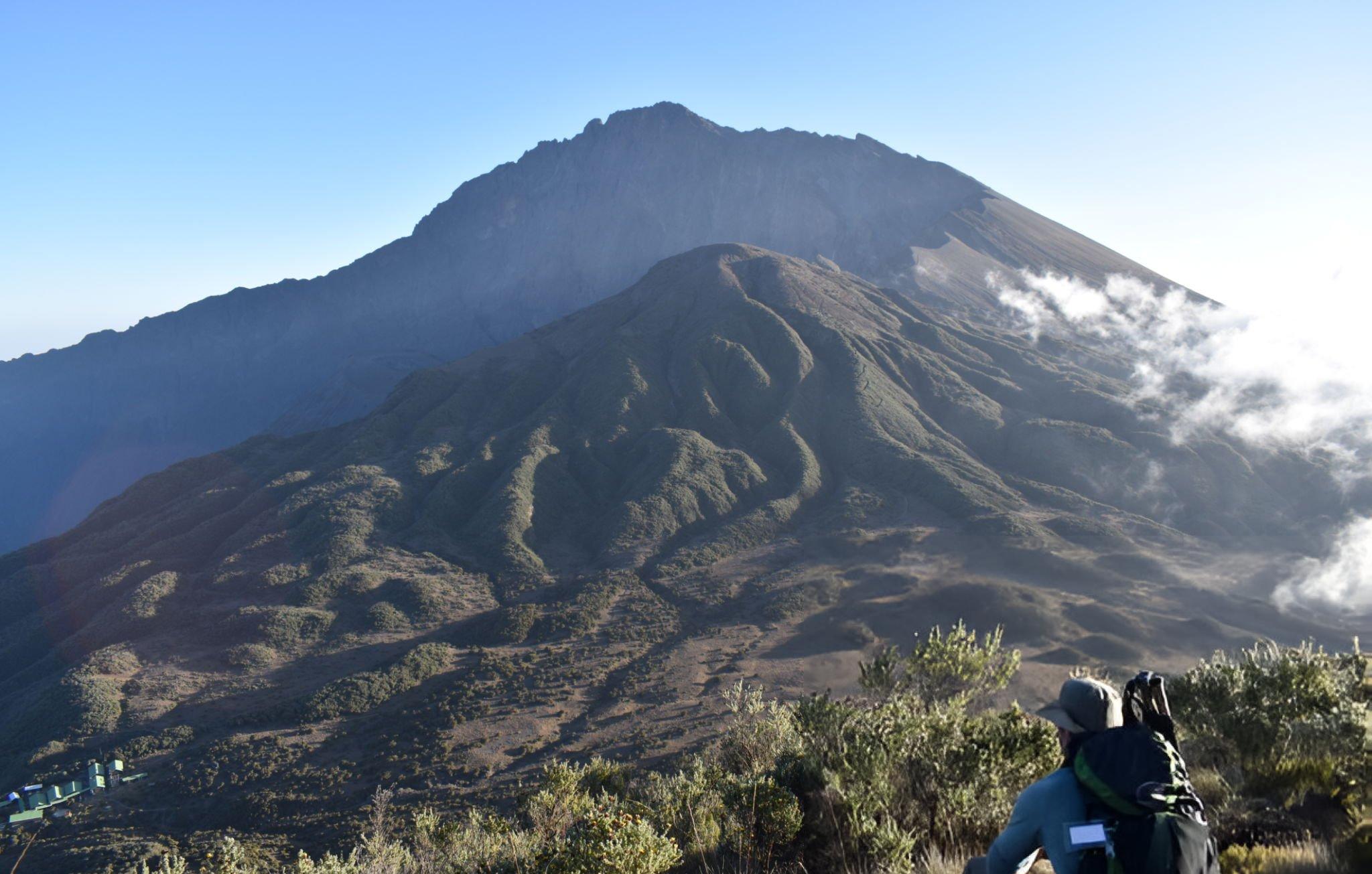
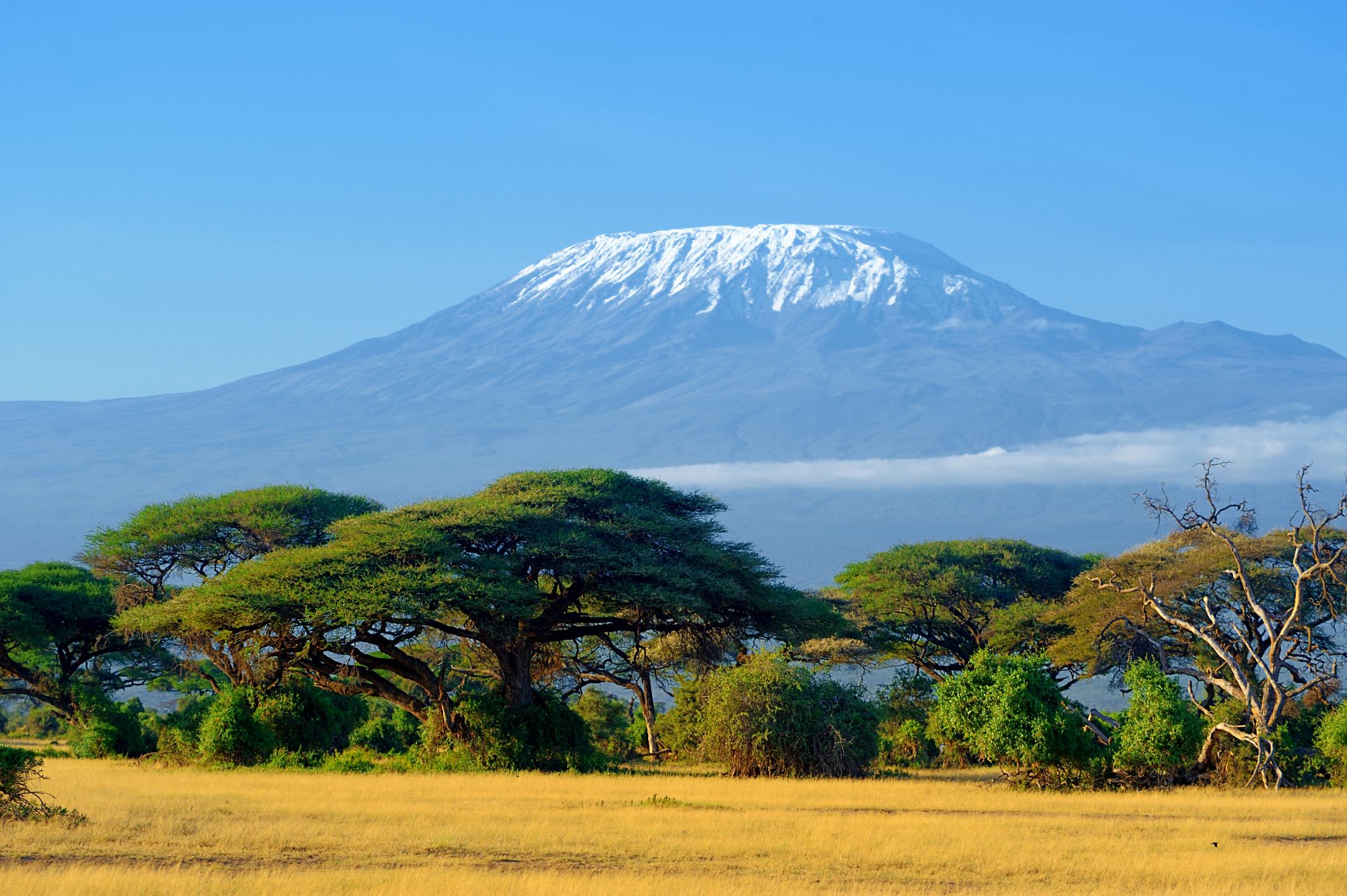
The Rongai Route is one of the most unique and peaceful paths to the summit of Mount Kilimanjaro, the highest mountain in Africa at 5,895 meters (19,341 feet). Unlike the popular southern routes such as Machame and Marangu, Rongai approaches the mountain from the remote northern side near the Kenya border, offering a completely different trekking experience.
For climbers planning their adventure in 2026 and 2027, the Rongai Route is becoming increasingly popular among those who want a quieter, less crowded, and more remote journey to Uhuru Peak. It is often described as Kilimanjaro’s “hidden gem” because it preserves a strong wilderness feeling throughout most of the climb.
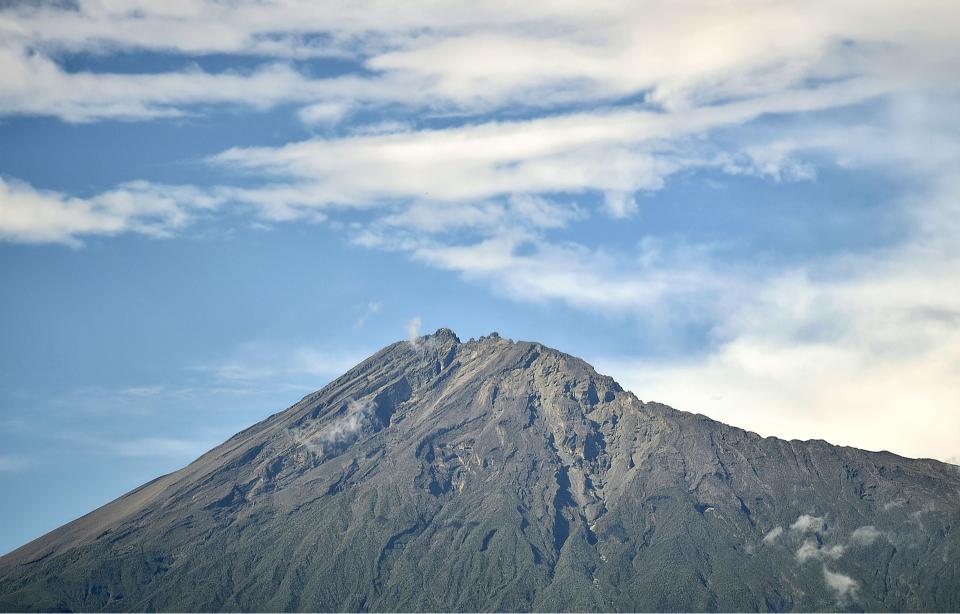
Best Rongai Route 2026/2027: Why the Rongai Route Is So Special
The Rongai Route stands out because it is the only route that approaches Kilimanjaro from the north. This makes it significantly quieter and more remote compared to other trails.
Key Highlights of the Rongai Route:
- Northern approach near the Kenyan border
- Less crowded than southern routes
- Gradual and steady ascent profile
- Drier conditions (less rain exposure)
- Scenic wilderness and wildlife encounters
- Unique descent via Marangu Route
This combination creates a trekking experience that feels more isolated, peaceful, and untouched.
Unlike busier routes where climbers often share trails with many groups, Rongai allows you to enjoy long stretches of quiet hiking—sometimes feeling like you have the mountain entirely to yourself.
Rongai Route Overview (2026/2027 Planning Guide)
Before choosing this route, it is important to understand its structure and demands:
- Total Distance: Approximately 65–70 km (40–43 miles)
- Duration: 6 to 7 days (7 days strongly recommended)
- Difficulty Level: Moderate
- Success Rate: High on 7-day itinerary
- Starting Point: Rongai Gate (Northern Kilimanjaro)
- Descent Route: Marangu Route
The 7-day option is highly recommended because it improves acclimatization and significantly increases summit success rates.
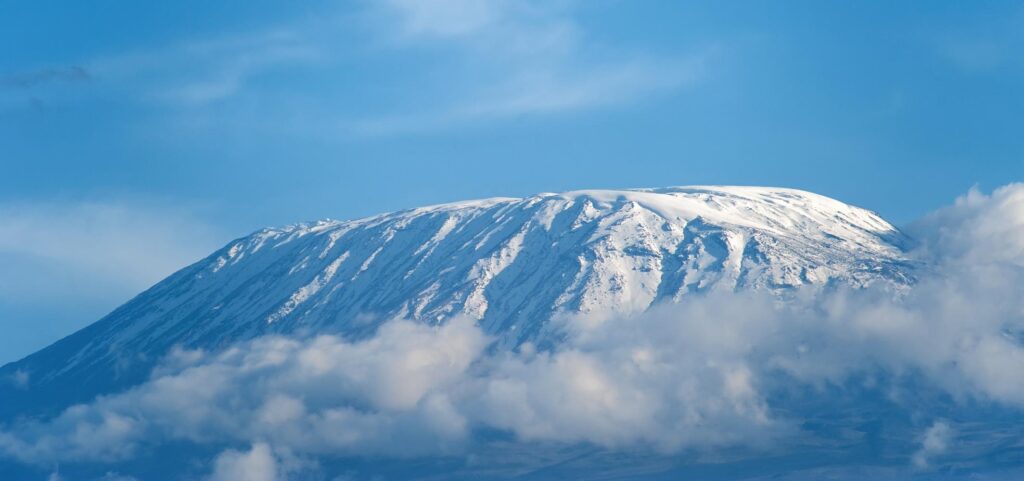
Best Rongai Route 2026/2027:7-Day Rongai Route Itinerary
Day 1: Rongai Gate to Simba Camp
The journey begins at Rongai Gate, where climbers register and begin hiking through farmland and pine forest before entering the mountain wilderness.
This section is relatively gentle and perfect for easing into the trek.
Wildlife sightings may include:
- Colobus monkeys
- Antelope species
- Various tropical birds
The trail is quiet and peaceful, setting the tone for the entire journey.
- Hiking time: 3–5 hours
- Overnight: Simba Camp (2,600m)
Day 2: Simba Camp to Second Cave Camp
As the climb continues, the forest transitions into moorland. The landscape opens gradually, revealing views of the Kenyan plains below.
The air becomes cooler and thinner, but the ascent remains steady and manageable.
- Hiking time: 3–4 hours
- Overnight: Second Cave Camp (3,450m)
This is one of the most relaxing trekking days, allowing your body to begin adjusting to altitude.
Day 3: Second Cave to Kikelewa Camp
This section introduces more dramatic terrain changes. The landscape becomes drier, rockier, and more alpine in nature.
You begin to see the rugged beauty of Kilimanjaro’s northern slopes.
- Hiking time: 3–5 hours
- Overnight: Kikelewa Camp (3,600m)
Day 4: Kikelewa Camp to Mawenzi Tarn Camp
This is one of the most scenic days of the Rongai Route. The trail climbs steeply but rewards you with breathtaking views of the jagged Mawenzi Peak.
Mawenzi Tarn Camp is located in a dramatic alpine valley surrounded by towering rock formations.
- Hiking time: 3–4 hours
- Overnight: Mawenzi Tarn (4,330m)
Many climbers consider this campsite one of the most beautiful on Kilimanjaro.
Day 5: Acclimatization Day at Mawenzi Tarn
This rest and acclimatization day is essential for success. A short hike helps the body adjust to higher altitude using the “climb high, sleep low” method.
This day significantly improves summit chances and reduces altitude sickness risk.
Day 6: Mawenzi Tarn to Kibo Hut
The trail crosses the lunar-like saddle between Mawenzi and Kibo peaks. This vast alpine desert feels silent, open, and surreal.
Kibo Hut is the final base before summit night.
- Hiking time: 4–6 hours
- Overnight: Kibo Hut (4,703m)
Climbers rest early to prepare for the midnight ascent.
Day 7: Summit Day – Kibo Hut to Uhuru Peak and Descent to Horombo
This is the most demanding day of the entire trek.
The climb begins around midnight in freezing conditions. The slow ascent continues for several hours until reaching Gilman’s Point on the crater rim.
From there, a final push leads to:
Uhuru Peak (5,895m)
Standing at the highest point in Africa is an unforgettable emotional experience.
After celebration and photos, climbers descend back to Kibo Hut and continue to Horombo Camp.
- Total hiking time: 12–16 hours
Best Rongai Route 2026/2027: Why the Rongai Route Has High Success Rates
The Rongai Route is known for strong summit success rates, especially on the 7-day itinerary. This is due to several important factors:
1. Gradual Ascent Profile
Rongai rises more slowly than southern routes, giving the body time to adapt.
2. Less Crowding
Fewer climbers means less pressure, more guide attention, and a calmer hiking pace.
3. Dry Northern Climate
The northern side of Kilimanjaro receives less rainfall, reducing muddy and slippery conditions.
4. Proper Acclimatization Day
The Mawenzi Tarn rest day significantly improves oxygen adaptation.
Best Rongai Route 2026/2027: Difficulty Level: Is Rongai Route Easy?
Rongai is considered one of the easier Kilimanjaro routes in terms of terrain, but it is still a high-altitude challenge.
What makes it easier:
- Gentle slopes
- Less technical terrain
- Dry conditions
- Fewer crowds
What makes it difficult:
- High altitude exposure
- Long summit night
- Cold temperatures at upper camps
So while it is physically manageable, altitude remains the biggest challenge.
Best Rongai Route 2026/2027:Best Time to Climb Rongai Route
The Rongai Route is unique because it is drier than other routes, making it suitable even during wetter seasons.
Best periods:
- January to March
- June to October
Advantage:
- Can still be climbed during rainy seasons with fewer disruptions
This makes Rongai one of the most weather-resilient routes on Kilimanjaro.
Best Rongai Route 2026/2027: Packing List for Rongai Route
Essential gear includes:
- Waterproof hiking boots
- Down insulated jacket
- Thermal base layers
- Rain gear
- Warm hat and gloves
- Sleeping bag rated -10°C or lower
- Trekking poles
- Headlamp
- Sunglasses and sunscreen
- Water bottles or hydration system
Temperatures near the summit can drop well below freezing.
Best Rongai Route 2026/2027: Who Should Choose Rongai Route?
Rongai is ideal for:
- Climbers seeking fewer crowds
- First-time trekkers wanting a gradual climb
- Photographers looking for unique landscapes
- Those who prefer drier trekking conditions
It may not be ideal for climbers who want:
- Highly scenic rainforest diversity
- Social, busy trekking routes
- Luxury-style lodge experiences
Best Rongai Route 2026/2027: Why Rongai Route Is a Hidden Gem
Best Rongai Route 2026/2027 offers one of the most peaceful and unique ways to climb Mount Kilimanjaro. Its northern approach, quiet trails, and gradual ascent make it a standout option for 2026 and 2027 climbers seeking a more intimate mountain experience.
While it may not be as famous as Machame or Lemosho, Rongai delivers something special: solitude, simplicity, and a deep connection with the mountain.
For those who choose it, the journey becomes more than a climb it becomes a quiet, powerful experience that leads all the way to Uhuru Peak (5,895 meters).
In the end, the Rongai Route reminds every climber that sometimes the best path is not the busiest one but the one that lets you truly hear the mountain.