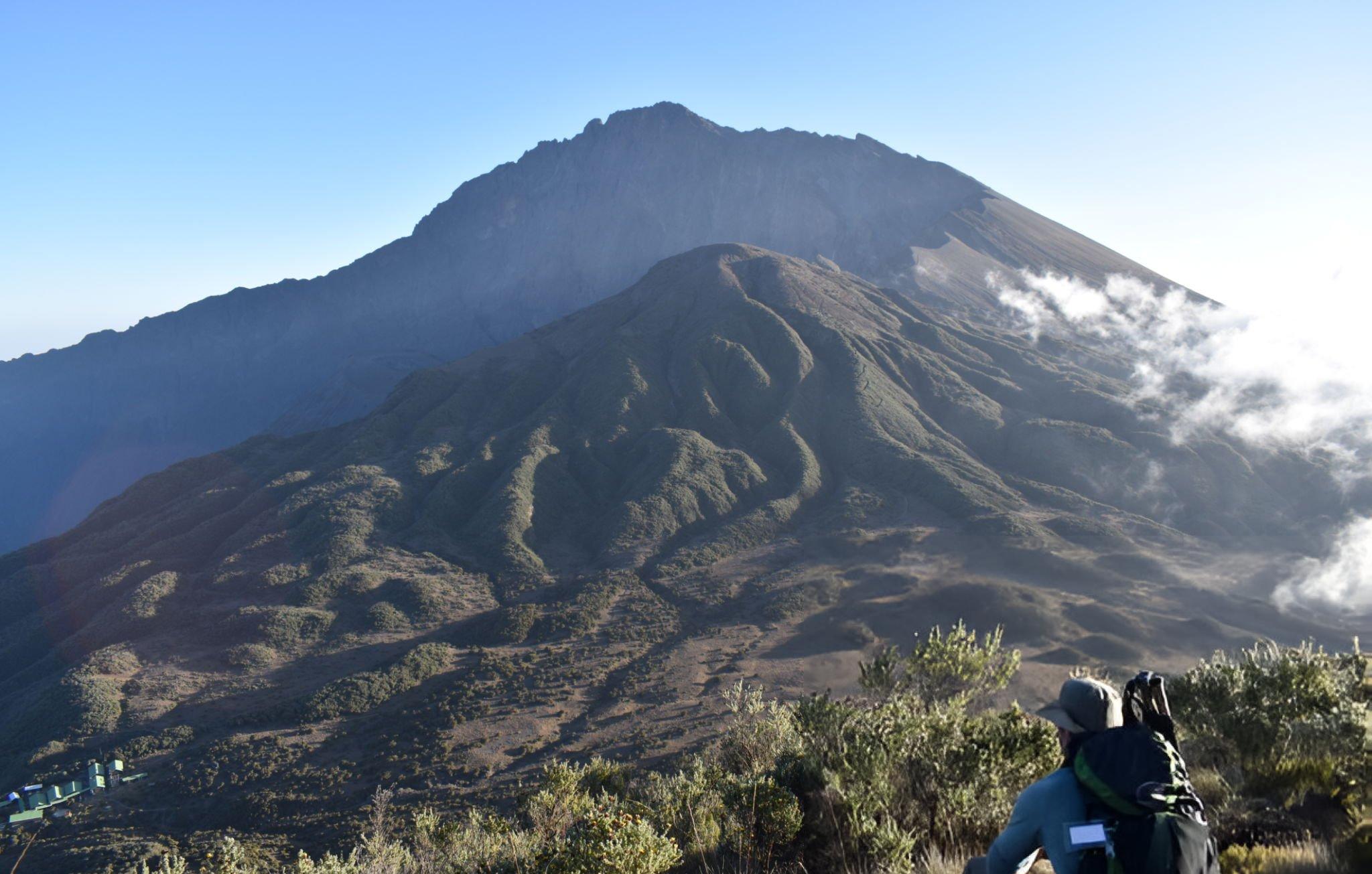
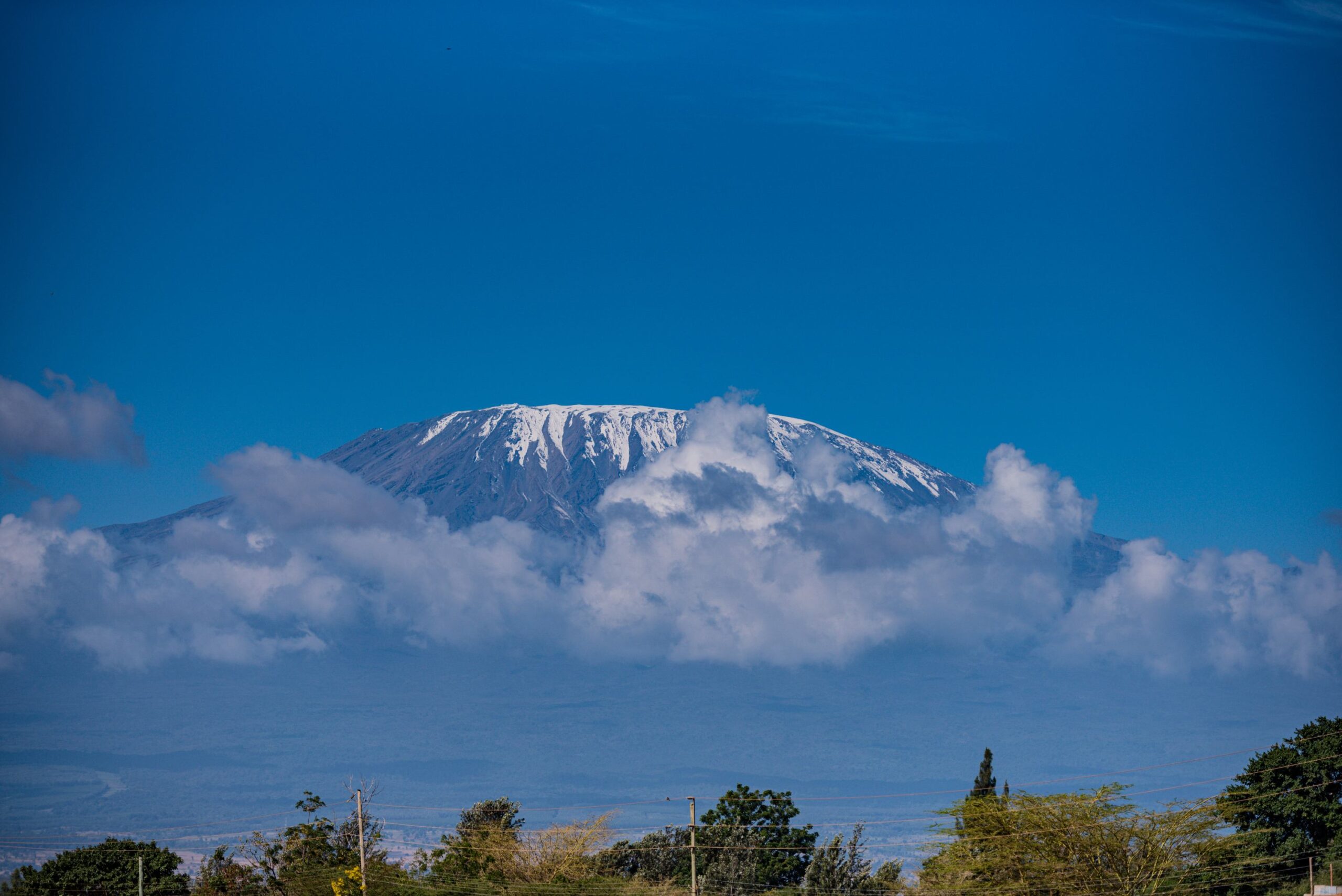
Scaling the Roof of Africa: Guide to Climbing Kilimanjaro 2026/2027 is a complete guide for travelers who dream of standing on the highest point in Africa. Mount Kilimanjaro is one of the most famous mountains in the world, and every year travelers from different countries come to Tanzania hoping to experience its incredible landscapes and reach Uhuru Peak. Climbing Kilimanjaro is not only about reaching the summit. It is a journey through different natural environments, a physical challenge, a cultural experience, and for many people, a personal achievement that remains in their memory for many years.
Scaling the Roof of Africa: Guide to Climbing Kilimanjaro 2026/2027 is especially useful for travelers who are planning their adventure in 2026 or 2027 and want to understand what to expect before arriving in Tanzania. You may be wondering which Kilimanjaro route is best, how many days you should spend on the mountain, what equipment you need, when to climb, how difficult the trek is, and how to prepare your body. These are all important questions, and understanding them before your journey can help you make better decisions.
Scaling the Roof of Africa: Guide to Climbing Kilimanjaro 2026/2027 also shows that you do not need to be a professional mountain climber to experience Kilimanjaro. The normal trekking routes do not require technical climbing skills. However, the mountain should never be underestimated. The biggest challenge for many trekkers is the high altitude, combined with several days of walking and changing weather conditions. Good preparation, a suitable itinerary, experienced guides, and the right attitude can make a major difference.
Why Mount Kilimanjaro Is Known as the Roof of Africa
Scaling the Roof of Africa: Guide to Climbing Kilimanjaro 2026/2027 starts with understanding what makes Mount Kilimanjaro so special. Located in northern Tanzania, Mount Kilimanjaro rises to approximately 5,895 meters above sea level. It is the highest mountain in Africa and one of the most recognizable natural landmarks on the continent.
Scaling the Roof of Africa: Guide to Climbing Kilimanjaro 2026/2027 is a journey that takes you from the lower slopes of the mountain into a completely different world at the summit. At the beginning of your trek, you may walk through a green and sometimes humid rainforest. As you continue higher, the trees become shorter and the vegetation changes. Eventually, you reach rocky alpine areas where very little vegetation can survive.
Scaling the Roof of Africa: Guide to Climbing Kilimanjaro 2026/2027 gives travelers the chance to experience several climate and vegetation zones during one adventure. This is one of the reasons Kilimanjaro is so popular. You can begin the morning surrounded by tropical vegetation and, after several days, find yourself walking through a cold and dry high-altitude landscape.
Why Climb Mount Kilimanjaro in 2026/2027?
Scaling the Roof of Africa: Guide to Climbing Kilimanjaro 2026/2027 is ideal for travelers who want to make their next holiday more meaningful. A Kilimanjaro trek is very different from an ordinary sightseeing holiday because you become part of the experience rather than simply observing it.
Scaling the Roof of Africa: Guide to Climbing Kilimanjaro 2026/2027 gives you time to disconnect from everyday life and focus on the journey in front of you. During the trek, your days are simple. You wake up, eat breakfast, prepare for the trail, walk with your group, take breaks, reach camp, eat dinner, and rest for the next day. This simple routine can be surprisingly rewarding.
Scaling the Roof of Africa: Guide to Climbing Kilimanjaro 2026/2027 can also be part of a larger Tanzania holiday. After climbing the mountain, you can explore the Serengeti, visit Ngorongoro Crater, discover Tarangire National Park, experience local culture, or travel to Zanzibar for a relaxing beach holiday.
Is Mount Kilimanjaro Difficult to Climb?
Scaling the Roof of Africa: Guide to Climbing Kilimanjaro 2026/2027 should be approached with realistic expectations. Kilimanjaro is challenging, but it is not a technical mountain on the standard trekking routes. Most of the climb involves walking rather than technical rock or ice climbing.
Scaling the Roof of Africa: Guide to Climbing Kilimanjaro 2026/2027 becomes difficult mainly because of the altitude. As you climb higher, the air becomes thinner, and your body needs time to adjust. This means that physical fitness alone does not guarantee success. Someone who is very fit can still struggle with altitude, while someone with average fitness may do well if they follow a slow pace and acclimatize properly.
Scaling the Roof of Africa: Guide to Climbing Kilimanjaro 2026/2027 is therefore not a race. You should not try to walk quickly because another trekker is moving faster than you. Your guide will normally encourage you to walk slowly and steadily. This is where the famous Swahili phrase “pole pole”, meaning slowly, becomes an important part of the Kilimanjaro experience.
Who Can Climb Mount Kilimanjaro?
Scaling the Roof of Africa: Guide to Climbing Kilimanjaro 2026/2027 can be suitable for many travelers who are reasonably fit and prepared for long walking days. You do not normally need previous mountain climbing experience, although being comfortable with hiking and walking for several hours is helpful.
Scaling the Roof of Africa: Guide to Climbing Kilimanjaro 2026/2027 can be enjoyed by solo travelers, couples, friends, families, and private groups. Each traveler should understand that the mountain is physically demanding and that altitude affects people differently.
Scaling the Roof of Africa: Guide to Climbing Kilimanjaro 2026/2027 also requires responsible preparation. If you have concerns about your ability to participate in high-altitude trekking, you should seek advice from a qualified medical professional before traveling.
Choosing the Best Kilimanjaro Route
Scaling the Roof of Africa: Guide to Climbing Kilimanjaro 2026/2027 requires you to choose a route that matches your travel plans, fitness level, available time, and preferred experience. Kilimanjaro has several established routes, and there is no single route that is perfect for every traveler.
Scaling the Roof of Africa: Guide to Climbing Kilimanjaro 2026/2027 through the Machame Route is a popular choice for travelers who want beautiful scenery and a camping experience. The route is sometimes called the Whiskey Route and takes trekkers through several different environments before reaching the summit.
Scaling the Roof of Africa: Guide to Climbing Kilimanjaro 2026/2027 through the Lemosho Route is another popular option. Lemosho offers a longer approach and beautiful scenery, and its longer itineraries can provide more time for acclimatization.
Scaling the Roof of Africa: Guide to Climbing Kilimanjaro 2026/2027 through the Marangu Route is different because trekkers sleep in mountain huts rather than tents. It is one of the most established routes on Kilimanjaro and is sometimes known as the Coca-Cola Route.
Scaling the Roof of Africa: Guide to Climbing Kilimanjaro 2026/2027 through Rongai approaches the mountain from the northern side. This gives trekkers a different view of Kilimanjaro and can offer a quieter experience depending on the season.
Scaling the Roof of Africa: Guide to Climbing Kilimanjaro 2026/2027 through Umbwe is considered one of the more demanding routes because of its steep approach. It may appeal to experienced hikers, but it is not necessarily the best option for someone looking for a gradual first Kilimanjaro experience.
Scaling the Roof of Africa: Guide to Climbing Kilimanjaro 2026/2027 through the Northern Circuit provides one of the longest routes around the mountain. Because it spends more time at different elevations, it can provide valuable acclimatization opportunities while allowing trekkers to experience more of Kilimanjaro.
Scaling the Roof of Africa Through the Machame Route
Scaling the Roof of Africa: Guide to Climbing Kilimanjaro 2026/2027 through Machame is a favorite among many international trekkers because of the scenery. The route begins in the rainforest and gradually moves toward higher elevations.
Scaling the Roof of Africa: Guide to Climbing Kilimanjaro 2026/2027 through Machame allows you to experience different landscapes during the trek. You may begin under tall trees before entering open areas with wider mountain views.
Scaling the Roof of Africa: Guide to Climbing Kilimanjaro 2026/2027 through Machame normally involves camping. Your mountain crew prepares the campsite and meals while you focus on walking and resting. This makes the journey feel like a real mountain expedition.
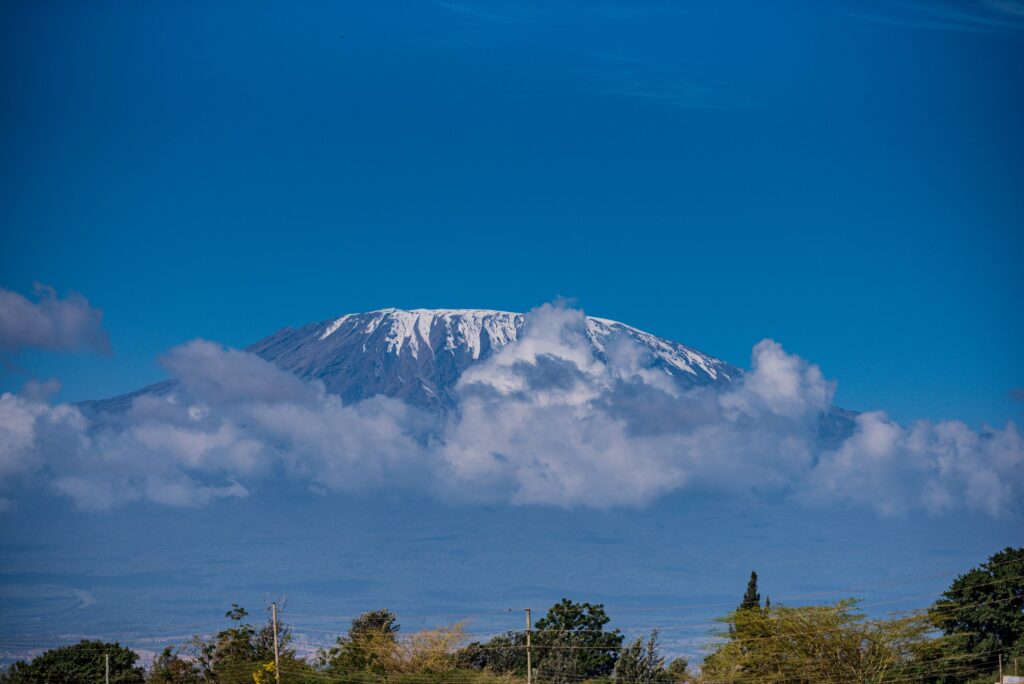
Scaling the Roof of Africa Through the Lemosho Route
Scaling the Roof of Africa: Guide to Climbing Kilimanjaro 2026/2027 through Lemosho is an excellent choice for travelers who have more time and want a longer mountain experience. The route approaches Kilimanjaro from the western side.
Scaling the Roof of Africa: Guide to Climbing Kilimanjaro 2026/2027 through Lemosho offers beautiful landscapes and a gradual progression toward the higher areas of the mountain. Longer itineraries can also give your body more time to adjust to altitude.
Scaling the Roof of Africa: Guide to Climbing Kilimanjaro 2026/2027 through Lemosho is especially suitable for travelers who do not want to rush their adventure. Spending more time on the mountain allows you to enjoy the journey itself rather than focusing only on the summit.
Scaling the Roof of Africa Through the Marangu Route
Scaling the Roof of Africa: Guide to Climbing Kilimanjaro 2026/2027 through Marangu is a good option for travelers who prefer hut accommodation. Instead of sleeping in tents, trekkers use huts along the route.
Scaling the Roof of Africa: Guide to Climbing Kilimanjaro 2026/2027 through Marangu provides a different atmosphere compared with the camping routes. The trail is well known and has been used by trekkers for many years.
Scaling the Roof of Africa: Guide to Climbing Kilimanjaro 2026/2027 through Marangu still requires good preparation. The fact that the route uses huts does not mean the mountain is easy. Altitude remains an important challenge, and travelers should choose an itinerary that gives them a reasonable opportunity to acclimatize.
Scaling the Roof of Africa Through Rongai
Scaling the Roof of Africa: Guide to Climbing Kilimanjaro 2026/2027 through Rongai gives travelers the opportunity to see Kilimanjaro from a different side. The route begins near the northern border of Tanzania and Kenya.
Scaling the Roof of Africa: Guide to Climbing Kilimanjaro 2026/2027 through Rongai can be appealing to travelers looking for a different trekking atmosphere. The landscape on the northern side can feel more remote compared with some of the other approaches.
Scaling the Roof of Africa: Guide to Climbing Kilimanjaro 2026/2027 through Rongai eventually leads trekkers toward the higher mountain areas and the final summit approach.
Scaling the Roof of Africa Through the Northern Circuit
Scaling the Roof of Africa: Guide to Climbing Kilimanjaro 2026/2027 through the Northern Circuit is suitable for travelers who want to spend more days exploring the mountain. It follows a longer path around the northern side before approaching the summit.
Scaling the Roof of Africa: Guide to Climbing Kilimanjaro 2026/2027 through this route can be a good choice for travelers who value acclimatization and have enough time for a longer trek.
Scaling the Roof of Africa: Guide to Climbing Kilimanjaro 2026/2027 through the Northern Circuit is also about enjoying the journey. Instead of rushing upward, you spend more time experiencing the mountain and its changing landscapes.
How Many Days Should You Spend on Kilimanjaro?
Scaling the Roof of Africa: Guide to Climbing Kilimanjaro 2026/2027 should always consider the number of days you will spend on the mountain. Kilimanjaro itineraries can vary depending on the route and the operator, but travelers should avoid choosing an itinerary simply because it is the shortest.
Scaling the Roof of Africa: Guide to Climbing Kilimanjaro 2026/2027 is generally more comfortable when you have enough time to adapt to altitude. Longer routes can give your body more time to adjust and can make the overall experience less rushed.
Scaling the Roof of Africa: Guide to Climbing Kilimanjaro 2026/2027 should therefore be planned around quality rather than speed. Your goal is to enjoy the mountain and give yourself the best reasonable opportunity to reach the summit safely.
Understanding Kilimanjaro’s Changing Climate Zones
Scaling the Roof of Africa: Guide to Climbing Kilimanjaro 2026/2027 is a journey through several ecological zones. The mountain is famous for changing dramatically as you climb higher.
Scaling the Roof of Africa: Guide to Climbing Kilimanjaro 2026/2027 begins in the lower cultivated and forest areas. Depending on your route, you may walk through thick rainforest where the atmosphere is cool and humid.
Scaling the Roof of Africa: Guide to Climbing Kilimanjaro 2026/2027 continues through heath and moorland, where the vegetation becomes shorter and the landscape opens.
Scaling the Roof of Africa: Guide to Climbing Kilimanjaro 2026/2027 then enters the alpine desert. At this elevation, the landscape becomes rocky and dry, and vegetation becomes very limited.
Scaling the Roof of Africa: Guide to Climbing Kilimanjaro 2026/2027 finally reaches the summit zone, where temperatures can be extremely cold and the air is much thinner.
The Kilimanjaro Rainforest Experience
Scaling the Roof of Africa: Guide to Climbing Kilimanjaro 2026/2027 often begins with a walk through the rainforest. For many trekkers, this is one of the most enjoyable sections because of the green environment and natural sounds.
Scaling the Roof of Africa: Guide to Climbing Kilimanjaro 2026/2027 through the rainforest can introduce you to the natural beauty of Kilimanjaro before the environment becomes more open. You may see different types of vegetation and hear birds as you walk.
Scaling the Roof of Africa: Guide to Climbing Kilimanjaro 2026/2027 becomes increasingly exciting as you leave the forest behind and begin to see wider views of the surrounding landscape.
Preparing Your Body for Kilimanjaro
Scaling the Roof of Africa: Guide to Climbing Kilimanjaro 2026/2027 requires preparation before you arrive in Tanzania. You do not need to become a professional athlete, but you should build enough endurance to walk for several hours.
Scaling the Roof of Africa: Guide to Climbing Kilimanjaro 2026/2027 preparation can include regular walking, hiking, jogging, cycling, stair climbing, and other activities that improve endurance. If you live in an area with hills, regular uphill walking can also help prepare your legs.
Scaling the Roof of Africa: Guide to Climbing Kilimanjaro 2026/2027 is more about endurance than speed. You should become comfortable walking steadily for long periods rather than trying to train only for fast movement.
Mental Preparation for Scaling the Roof of Africa
Scaling the Roof of Africa: Guide to Climbing Kilimanjaro 2026/2027 requires mental preparation as much as physical preparation. There may be days when you feel tired or when the summit seems very far away.
Scaling the Roof of Africa: Guide to Climbing Kilimanjaro 2026/2027 becomes easier when you focus on the present moment. Instead of thinking about the entire mountain, focus on reaching the next camp, the next rest point, or simply taking the next step.
Scaling the Roof of Africa: Guide to Climbing Kilimanjaro 2026/2027 teaches you that patience is one of the most important qualities on the mountain. You do not have to prove anything to anyone. You simply need to keep moving safely and listen to your body.
What Should You Pack for Kilimanjaro?
Scaling the Roof of Africa: Guide to Climbing Kilimanjaro 2026/2027 requires careful packing because the weather changes as you gain altitude. You need clothing for warm conditions at the lower slopes and much colder conditions near the summit.
Scaling the Roof of Africa: Guide to Climbing Kilimanjaro 2026/2027 is easier when you use layers. Layering allows you to add clothing when temperatures fall and remove layers when you become warm during walking.
Scaling the Roof of Africa: Guide to Climbing Kilimanjaro 2026/2027 also requires comfortable hiking boots. Your boots should be tested before the trek so that you know they fit properly and do not cause painful blisters.
The Importance of a Good Kilimanjaro Guide
Scaling the Roof of Africa: Guide to Climbing Kilimanjaro 2026/2027 is strongly influenced by the quality of your mountain guide. A good guide does much more than show you the way. The guide helps organize the daily trek, explains the mountain, monitors your progress, and supports the group throughout the journey.
Scaling the Roof of Africa: Guide to Climbing Kilimanjaro 2026/2027 becomes more enjoyable when you have a guide who communicates well and understands the needs of different trekkers.
Scaling the Roof of Africa: Guide to Climbing Kilimanjaro 2026/2027 should always involve honest communication. If you feel tired, sick, cold, or uncomfortable, tell your guide. Do not keep important information to yourself because you are afraid of slowing the group.
Why Responsible Tourism Matters on Kilimanjaro
Scaling the Roof of Africa: Guide to Climbing Kilimanjaro 2026/2027 is also about respecting the environment and the people who make the trek possible. Kilimanjaro receives travelers from around the world, and protecting its natural beauty is important for future generations.
Scaling the Roof of Africa: Guide to Climbing Kilimanjaro 2026/2027 means keeping the mountain clean, following park rules, avoiding unnecessary damage to vegetation, and respecting other trekkers.
Scaling the Roof of Africa: Guide to Climbing Kilimanjaro 2026/2027 also means treating guides, porters, and cooks with respect. These people work hard to support trekkers and are an important part of the mountain experience.
When Is the Best Time to Climb Kilimanjaro in 2026/2027?
Scaling the Roof of Africa: Guide to Climbing Kilimanjaro 2026/2027 should include careful planning around the weather. Kilimanjaro can be climbed during much of the year, but some periods are more popular because they generally offer better trekking conditions.
Scaling the Roof of Africa: Guide to Climbing Kilimanjaro 2026/2027 is commonly planned around the drier periods, particularly January and February and the months from June through October. However, mountain weather can change, and there is no guarantee of perfect conditions.
Scaling the Roof of Africa: Guide to Climbing Kilimanjaro 2026/2027 can also be done during wetter months if you are prepared for rain and more challenging trail conditions. The benefit of less popular periods can be a quieter experience on some routes.
Planning Your Kilimanjaro Adventure With EPIC Horizons Adventures
Scaling the Roof of Africa: Guide to Climbing Kilimanjaro 2026/2027 can be organized with EPIC Horizons Adventures, a Tanzania-based adventure company focused on mountain trekking and safari experiences.
Scaling the Roof of Africa: Guide to Climbing Kilimanjaro 2026/2027 with EPIC Horizons Adventures can be planned according to your preferred route, available travel dates, number of trekking days, group size, and wider Tanzania travel plans.
Scaling the Roof of Africa: Guide to Climbing Kilimanjaro 2026/2027 can also be combined with a Serengeti safari, Ngorongoro Crater, Tarangire National Park, cultural tours, or a Zanzibar beach holiday. This allows you to turn your Kilimanjaro trek into a complete Tanzania adventure.
The Journey Begins Before You Reach Tanzania
Scaling the Roof of Africa: Guide to Climbing Kilimanjaro 2026/2027 does not begin when you arrive at the mountain gate. It begins months before your trip. It starts when you decide that you want to stand at Uhuru Peak.
Scaling the Roof of Africa: Guide to Climbing Kilimanjaro 2026/2027 preparation means choosing the right route, understanding the number of days you need, improving your fitness, organizing your equipment, planning your flights, arranging accommodation, and selecting a reliable trekking company.
Scaling the Roof of Africa: Guide to Climbing Kilimanjaro 2026/2027 becomes much more enjoyable when you arrive prepared. You will know what to expect, what you need to carry, and how the journey will progress.
Scaling the Roof of Africa: Guide to Climbing Kilimanjaro 2026/2027 is more than a guide to reaching the highest point in Africa. It is an introduction to a journey that challenges the body, strengthens the mind, and introduces travelers to one of Tanzania’s greatest natural treasures.
The first step is choosing your route and preparing yourself for the mountain. Once you understand the different routes, climate zones, physical demands, and importance of acclimatization, you can begin preparing with confidence.
The Real Experience of Scaling the Roof of Africa
Scaling the Roof of Africa: Guide to Climbing Kilimanjaro 2026/2027 becomes even more exciting when the actual trekking journey begins. After months of planning, training, packing, and dreaming about the mountain, the moment finally arrives when you stand at the entrance of Kilimanjaro National Park and prepare to begin your climb. This is where the adventure changes from a plan on paper into a real experience.
Scaling the Roof of Africa: Guide to Climbing Kilimanjaro 2026/2027 is not a journey that should be rushed. Every day on the mountain has its own feeling, scenery, challenges, and special moments. You will wake up early, prepare for the day’s walk, have breakfast, meet your mountain crew, and start walking toward your next camp. Some days may feel easy, while others may test your physical and mental strength.
Scaling the Roof of Africa: Guide to Climbing Kilimanjaro 2026/2027 is also about learning to appreciate small things. A warm cup of tea at camp can feel special after several hours of walking. A beautiful sunset can make you forget how tired you are. A friendly conversation with your guide can give you new energy. These simple moments become an important part of the mountain story.

Arriving in Tanzania for Your Kilimanjaro Trek
Scaling the Roof of Africa: Guide to Climbing Kilimanjaro 2026/2027 normally begins with your arrival in Tanzania. Many international travelers arrive through Kilimanjaro International Airport, which is conveniently located between Arusha and Moshi. Depending on your travel plans, you may spend time in Moshi or Arusha before beginning your trek.
Scaling the Roof of Africa: Guide to Climbing Kilimanjaro 2026/2027 is easier when you give yourself time to rest after a long international flight. Rather than arriving and immediately starting a demanding mountain trek, many travelers prefer to arrive at least a day before the climb. This gives you time to recover from travel, meet your guide, check your equipment, and prepare mentally for the adventure.
Scaling the Roof of Africa: Guide to Climbing Kilimanjaro 2026/2027 can begin with a pre-trek briefing where your guide explains the route, daily schedule, weather conditions, equipment, and important safety information. This meeting is a good opportunity to ask questions and make sure everything is ready before you leave for the mountain.
Your First Morning on Mount Kilimanjaro
Scaling the Roof of Africa: Guide to Climbing Kilimanjaro 2026/2027 feels different on the first morning. You may wake up feeling excited, nervous, or even unsure about what lies ahead. This is completely normal. After breakfast, you normally travel toward the starting point of your chosen route.
Scaling the Roof of Africa: Guide to Climbing Kilimanjaro 2026/2027 starts slowly. You may meet the mountain crew, complete registration and park procedures, and then begin walking. The first few hours are often about finding your rhythm.
Scaling the Roof of Africa: Guide to Climbing Kilimanjaro 2026/2027 teaches you from the first day that you should not waste your energy. You are not trying to prove how fast you can walk. The mountain will still be there tomorrow, and the day after tomorrow. A comfortable pace is more important than speed.
Walking Through the Kilimanjaro Rainforest
Scaling the Roof of Africa: Guide to Climbing Kilimanjaro 2026/2027 often begins in the rainforest, depending on the route you choose. The environment can feel completely different from the busy towns and roads you left behind.
Scaling the Roof of Africa: Guide to Climbing Kilimanjaro 2026/2027 through the rainforest can be one of the most beautiful parts of the first day. Tall trees create shade over the trail, while the sound of birds and moving leaves gives the mountain a peaceful atmosphere.
Scaling the Roof of Africa: Guide to Climbing Kilimanjaro 2026/2027 also introduces you to the first physical challenge. The trail may be muddy or slippery, particularly after rainfall. Your hiking boots become important, and you will quickly understand why comfortable footwear is one of the most important parts of your preparation.
The Importance of Walking Slowly
Scaling the Roof of Africa: Guide to Climbing Kilimanjaro 2026/2027 is strongly connected to the idea of walking slowly. Your guide may repeatedly remind you to go pole pole, because a slow and steady pace helps you conserve energy.
Scaling the Roof of Africa: Guide to Climbing Kilimanjaro 2026/2027 becomes much easier when you accept this pace instead of fighting it. You may see other hikers moving faster, but that does not mean you should follow them. Every person’s body responds differently to altitude and exercise.
Scaling the Roof of Africa: Guide to Climbing Kilimanjaro 2026/2027 is a long journey, so saving energy early can become very important later. The summit day will require a lot from you, and arriving at the higher camps with enough energy is one of the reasons why your guide encourages a slow pace from the beginning.
Life at Kilimanjaro Camps
Scaling the Roof of Africa: Guide to Climbing Kilimanjaro 2026/2027 is not only about walking. Life at the mountain camps becomes an important part of the adventure. After several hours on the trail, reaching camp can feel like a major achievement.
Scaling the Roof of Africa: Guide to Climbing Kilimanjaro 2026/2027 normally includes time to rest after arriving at camp. Depending on your route, you may have a tent or mountain hut as your accommodation. Your crew will organize the camp while you settle in and recover from the day’s walking.
Scaling the Roof of Africa: Guide to Climbing Kilimanjaro 2026/2027 gives you a chance to enjoy the quietness of the mountain. Away from traffic, large buildings, and city noise, the evenings can feel peaceful. On clear nights, the sky can be filled with stars.
Food During Your Kilimanjaro Trek
Scaling the Roof of Africa: Guide to Climbing Kilimanjaro 2026/2027 requires enough energy, and food is an important part of the journey. Your trekking crew normally prepares meals designed to provide energy throughout the day.
Scaling the Roof of Africa: Guide to Climbing Kilimanjaro 2026/2027 meals can include foods that are familiar to international travelers as well as local dishes. Breakfast may include items such as porridge, bread, eggs, fruit, tea, or coffee. Lunch may be served at camp or as a packed meal depending on the day’s itinerary.
Scaling the Roof of Africa: Guide to Climbing Kilimanjaro 2026/2027 dinners are usually an important part of the evening because you need to replace the energy used during the day. Warm meals can also be comforting when temperatures begin to fall.
Drinking Water on Kilimanjaro
Scaling the Roof of Africa: Guide to Climbing Kilimanjaro 2026/2027 also requires careful attention to hydration. Walking for several hours, especially at altitude, means that you need to drink regularly.
Scaling the Roof of Africa: Guide to Climbing Kilimanjaro 2026/2027 means carrying enough water for the day’s walk according to the guidance of your trekking team. Water sources on the mountain should not simply be assumed to be safe to drink without proper treatment.
Scaling the Roof of Africa: Guide to Climbing Kilimanjaro 2026/2027 becomes easier when you drink regularly rather than waiting until you are extremely thirsty. Your guide and crew can explain the water arrangements for your specific route.
How Altitude Changes the Kilimanjaro Experience
Scaling the Roof of Africa: Guide to Climbing Kilimanjaro 2026/2027 becomes more challenging as you gain altitude. At higher elevations, the air pressure is lower, which means less oxygen is available with each breath.
Scaling the Roof of Africa: Guide to Climbing Kilimanjaro 2026/2027 can affect different people in different ways. Some trekkers may experience headaches, reduced appetite, tiredness, dizziness, or nausea. Others may feel relatively comfortable at the same altitude.
Scaling the Roof of Africa: Guide to Climbing Kilimanjaro 2026/2027 requires you to take these changes seriously. If you do not feel well, tell your guide. Your guide can assess your condition and decide what should happen next.
Why Acclimatization Matters
Scaling the Roof of Africa: Guide to Climbing Kilimanjaro 2026/2027 depends heavily on acclimatization. Your body needs time to adjust to the decreasing oxygen availability as you climb higher.
Scaling the Roof of Africa: Guide to Climbing Kilimanjaro 2026/2027 is one reason longer itineraries are often preferred. More time on the mountain can allow for a slower increase in elevation and additional opportunities for your body to adapt.
Scaling the Roof of Africa: Guide to Climbing Kilimanjaro 2026/2027 is not a situation where you should simply push through serious symptoms. The mountain is not going anywhere. Your health must always come first.
The Role of Your Mountain Guide
Scaling the Roof of Africa: Guide to Climbing Kilimanjaro 2026/2027 becomes much more comfortable when you have an experienced guide. Your guide is responsible for much more than showing you the trail.
Scaling the Roof of Africa: Guide to Climbing Kilimanjaro 2026/2027 involves a guide who helps monitor the pace of the group, explains the mountain environment, provides information about the route, and helps identify problems before they become serious.
Scaling the Roof of Africa: Guide to Climbing Kilimanjaro 2026/2027 is also an opportunity to learn about Tanzania. Your guide may share information about local communities, wildlife, plants, mountain history, and the traditions of the people who live around Kilimanjaro.
The Mountain Crew Behind Your Trek
Scaling the Roof of Africa: Guide to Climbing Kilimanjaro 2026/2027 would not be possible for many travelers without the support of the mountain crew. Guides, porters, cooks, and other support staff work together to make the journey possible.
Scaling the Roof of Africa: Guide to Climbing Kilimanjaro 2026/2027 gives you a chance to see how much work happens behind the scenes. While you concentrate on walking, your crew may be carrying equipment, preparing meals, setting up camp, and organizing the next stage of the journey.
Scaling the Roof of Africa: Guide to Climbing Kilimanjaro 2026/2027 should therefore include respect for the people supporting you. Responsible trekking companies should follow appropriate standards for the treatment and welfare of their mountain crews.
The Beauty of Kilimanjaro’s Higher Slopes
Scaling the Roof of Africa: Guide to Climbing Kilimanjaro 2026/2027 becomes increasingly dramatic as you leave the forest and climb into the higher areas. The views become wider, the vegetation becomes smaller, and the landscape starts to feel more open.
Scaling the Roof of Africa: Guide to Climbing Kilimanjaro 2026/2027 can provide spectacular views across northern Tanzania when the weather is clear. You may look down toward the surrounding plains and realize how much higher you have already climbed.
Scaling the Roof of Africa: Guide to Climbing Kilimanjaro 2026/2027 is also about the changing light. Sunrise and sunset can create beautiful moments on the mountain, especially when clouds move below or around the slopes.
The Barranco Experience
Scaling the Roof of Africa: Guide to Climbing Kilimanjaro 2026/2027 on routes that pass through the Barranco area can include one of the most memorable sections of the mountain. The Barranco Wall is visually impressive and can appear intimidating when you first see it.
Scaling the Roof of Africa: Guide to Climbing Kilimanjaro 2026/2027 teaches you not to judge every section from a distance. Although the Barranco Wall looks steep, trekkers use a hiking trail rather than technical climbing equipment on the standard route.
Scaling the Roof of Africa: Guide to Climbing Kilimanjaro 2026/2027 through Barranco can be an exciting experience because you are moving through a rocky mountain environment with dramatic views around you.
Walking High and Sleeping Lower
Scaling the Roof of Africa: Guide to Climbing Kilimanjaro 2026/2027 often uses a trekking pattern that supports acclimatization. Depending on your itinerary, you may climb to a higher elevation during the day and then descend slightly to sleep.
Scaling the Roof of Africa: Guide to Climbing Kilimanjaro 2026/2027 uses this type of approach because your body benefits from exposure to higher elevations while still having the opportunity to rest at a lower sleeping altitude.
Scaling the Roof of Africa: Guide to Climbing Kilimanjaro 2026/2027 is one reason that experienced itinerary planning matters. The daily route should not simply be designed around distance. Elevation gain and sleeping altitude are also important.
The Importance of Rest
Scaling the Roof of Africa: Guide to Climbing Kilimanjaro 2026/2027 requires proper rest. Every day of trekking places demands on your legs and energy levels, so your body needs time to recover.
Scaling the Roof of Africa: Guide to Climbing Kilimanjaro 2026/2027 allows you to rest at camp, but sleep can sometimes be difficult at higher elevations. You may wake during the night, feel colder than expected, or notice that your breathing feels different.
Scaling the Roof of Africa: Guide to Climbing Kilimanjaro 2026/2027 is easier when you do not expect every night to feel like a normal night at home. The mountain environment is different, and your body is adjusting.
Weather on Mount Kilimanjaro
Scaling the Roof of Africa: Guide to Climbing Kilimanjaro 2026/2027 requires preparation for changing weather. Conditions can vary between the lower slopes and the summit.
Scaling the Roof of Africa: Guide to Climbing Kilimanjaro 2026/2027 may begin in warm or humid conditions and gradually become colder as you climb. Rain can also occur in the lower forest zones, while the summit area can be extremely cold.
Scaling the Roof of Africa: Guide to Climbing Kilimanjaro 2026/2027 requires proper clothing because being cold or wet for a long period can make the trek much harder. Good waterproof layers and warm summit clothing are important parts of your preparation.
What Happens When It Rains?
Scaling the Roof of Africa: Guide to Climbing Kilimanjaro 2026/2027 can include rainy conditions, particularly during wetter seasons. Rain does not automatically mean that the trek has to stop, but it can make the trail muddy and slippery.
Scaling the Roof of Africa: Guide to Climbing Kilimanjaro 2026/2027 is more comfortable when your backpack and clothing are protected from water. A good rain jacket and waterproof protection for important items can make a major difference.
The Higher You Climb, the Quieter It Becomes
Scaling the Roof of Africa: Guide to Climbing Kilimanjaro 2026/2027 is also about accepting that mountain weather cannot be controlled. You can prepare for it, but you cannot decide what the clouds will do.
Scaling the Roof of Africa: Guide to Climbing Kilimanjaro 2026/2027 has a special atmosphere in the higher zones. As vegetation disappears, the environment becomes more open and quiet.
Scaling the Roof of Africa: Guide to Climbing Kilimanjaro 2026/2027 can feel almost unreal at these elevations. You may look around and see rocks, mountains, clouds, and enormous open spaces.
Scaling the Roof of Africa: Guide to Climbing Kilimanjaro 2026/2027 is one of those experiences where you may find yourself walking in silence for long periods. There are fewer distractions, and your attention becomes focused on the trail and the people around you.
Preparing for Summit Night
Scaling the Roof of Africa: Guide to Climbing Kilimanjaro 2026/2027 reaches its biggest physical challenge on summit night. After several days of trekking, you finally arrive at the high camp from where you will begin the final ascent.
Scaling the Roof of Africa: Guide to Climbing Kilimanjaro 2026/2027 summit preparation usually involves resting during the afternoon or evening before starting the climb at night or in the early morning. The exact timing depends on the route and itinerary.
Scaling the Roof of Africa: Guide to Climbing Kilimanjaro 2026/2027 requires you to organize your summit clothing and equipment before you rest. You do not want to be searching through your luggage when it is time to leave.
The Cold of Summit Night
Scaling the Roof of Africa: Guide to Climbing Kilimanjaro 2026/2027 becomes very different when you begin the summit attempt. Temperatures near the summit can be extremely cold, especially during the hours before sunrise.
Scaling the Roof of Africa: Guide to Climbing Kilimanjaro 2026/2027 requires warm layers, gloves, a warm hat, proper socks, and suitable footwear. Your clothing needs to protect you from the cold while still allowing you to walk comfortably.
Scaling the Roof of Africa: Guide to Climbing Kilimanjaro 2026/2027 is also mentally challenging because you may be walking in darkness with only your headlamp lighting the trail ahead.
Walking Through the Darkness Toward Uhuru Peak
Scaling the Roof of Africa: Guide to Climbing Kilimanjaro 2026/2027 summit night often begins quietly. You leave camp while the surrounding mountain is dark, and you start walking behind your guide.
Scaling the Roof of Africa: Guide to Climbing Kilimanjaro 2026/2027 at this point becomes a test of patience. The trail can feel slow, and every step requires concentration. You may be tired from the previous days, but the knowledge that the summit is ahead can keep you moving.
Scaling the Roof of Africa: Guide to Climbing Kilimanjaro 2026/2027 is where the meaning of pole pole becomes even clearer. The pace is deliberately slow because the altitude is high and the climb is demanding.
Reaching Stella Point
Scaling the Roof of Africa: Guide to Climbing Kilimanjaro 2026/2027 may bring you to Stella Point on the crater rim depending on your route and summit itinerary. Reaching this area can be a major psychological achievement.
Scaling the Roof of Africa: Guide to Climbing Kilimanjaro 2026/2027 at Stella Point means you have completed a large part of the difficult summit ascent. From here, the trail continues around the crater rim toward Uhuru Peak.
Scaling the Roof of Africa: Guide to Climbing Kilimanjaro 2026/2027 can feel emotional at this stage. You may be tired, but you can finally see the final goal becoming closer.
Continuing Toward Uhuru Peak
Scaling the Roof of Africa: Guide to Climbing Kilimanjaro 2026/2027 continues from the crater rim toward Uhuru Peak. The final section can still be physically demanding because you remain at very high altitude.
Scaling the Roof of Africa: Guide to Climbing Kilimanjaro 2026/2027 requires you to continue slowly. There is no need to rush even when the summit is close.
Scaling the Roof of Africa: Guide to Climbing Kilimanjaro 2026/2027 becomes an unforgettable moment when the summit sign finally comes into view. After days of walking, you know that you have reached the final part of your journey.
Standing at Uhuru Peak
Scaling the Roof of Africa: Guide to Climbing Kilimanjaro 2026/2027 reaches its most emotional moment at Uhuru Peak. At approximately 5,895 meters, you are standing at the highest point in Africa.
Scaling the Roof of Africa: Guide to Climbing Kilimanjaro 2026/2027 at Uhuru Peak can create a mixture of emotions. You may feel proud of yourself, grateful to your guide and crew, excited to take photographs, or simply amazed that you have reached the summit.
Scaling the Roof of Africa: Guide to Climbing Kilimanjaro 2026/2027 is not just about the summit photograph. That photograph represents days of preparation, long hours of walking, early mornings, tired legs, cold temperatures, and the determination to continue.
The View From the Roof of Africa
Scaling the Roof of Africa: Guide to Climbing Kilimanjaro 2026/2027 gives you an opportunity to experience views from one of the highest points on the African continent. Weather conditions determine exactly what you will see, but clear conditions can reveal an impressive mountain environment.
Scaling the Roof of Africa: Guide to Climbing Kilimanjaro 2026/2027 may allow you to see glaciers and the volcanic landscape around the summit area. The crater and surrounding mountain environment remind you that Kilimanjaro is a volcanic mountain with a fascinating geological history.
Scaling the Roof of Africa: Guide to Climbing Kilimanjaro 2026/2027 creates a powerful contrast between the summit and the landscapes far below. Looking down after climbing for several days can make you realize just how far you have traveled.
The Descent From the Summit
Scaling the Roof of Africa: Guide to Climbing Kilimanjaro 2026/2027 does not finish when you reach Uhuru Peak. After celebrating the summit, you still have to descend.
Scaling the Roof of Africa: Guide to Climbing Kilimanjaro 2026/2027 can make the descent feel very different from the ascent. The light has changed, you can now see the landscape around you, and the pressure of reaching the summit has disappeared.
Scaling the Roof of Africa: Guide to Climbing Kilimanjaro 2026/2027 still requires care during the descent because tired legs and loose terrain can make walking difficult. Your guide will continue to support the group as you move toward the lower camp.
Why the Descent Should Not Be Ignored
Scaling the Roof of Africa: Guide to Climbing Kilimanjaro 2026/2027 requires attention even after the summit. Some trekkers become so excited after reaching Uhuru Peak that they forget the journey is not completely over.
Scaling the Roof of Africa: Guide to Climbing Kilimanjaro 2026/2027 can be physically demanding on the knees and legs during the descent. Taking your time and using trekking poles can help you manage steep or loose sections.
Scaling the Roof of Africa: Guide to Climbing Kilimanjaro 2026/2027 becomes a little easier as you descend because the air becomes denser and your body gradually leaves the highest elevations behind.
Returning to the Forest
Scaling the Roof of Africa: Guide to Climbing Kilimanjaro 2026/2027 eventually brings you back toward the lower mountain. The change can feel surprising.
Scaling the Roof of Africa: Guide to Climbing Kilimanjaro 2026/2027 takes you from cold, rocky summit landscapes back toward areas with vegetation. Trees become taller, the air becomes warmer, and the sounds of the forest return.
Scaling the Roof of Africa: Guide to Climbing Kilimanjaro 2026/2027 is a reminder of how quickly the mountain changes. In only a few days, you have experienced environments that feel like completely different worlds.
Celebrating After the Trek
Scaling the Roof of Africa: Guide to Climbing Kilimanjaro 2026/2027 deserves a proper celebration after you complete the trek. Returning to your hotel, taking a hot shower, enjoying a comfortable bed, and having a relaxed meal can feel wonderful after several days on the mountain.
Scaling the Roof of Africa: Guide to Climbing Kilimanjaro 2026/2027 can also include a special celebration with your mountain crew. Depending on the trekking company, you may have a chance to thank the guides and porters who supported you.
Scaling the Roof of Africa: Guide to Climbing Kilimanjaro 2026/2027 is an experience where the people you meet become part of your story. The memories of singing, laughing, walking, eating, and sharing difficult moments can remain long after you return home.
What Makes a Successful Kilimanjaro Trek?
Scaling the Roof of Africa: Guide to Climbing Kilimanjaro 2026/2027 is not successful simply because you reach Uhuru Peak. Success also means completing the journey safely, respecting your body, respecting the mountain, and appreciating the people around you.
Scaling the Roof of Africa: Guide to Climbing Kilimanjaro 2026/2027 teaches you that preparation matters. The right route, enough days, suitable clothing, proper hydration, good nutrition, and experienced guides all contribute to a better experience.
Scaling the Roof of Africa: Guide to Climbing Kilimanjaro 2026/2027 is also about attitude. A positive attitude can help you deal with difficult moments, but it should always be combined with good judgment and respect for altitude.
Kilimanjaro Is More Than a Mountain
Scaling the Roof of Africa: Guide to Climbing Kilimanjaro 2026/2027 is ultimately about more than reaching a geographical point. Kilimanjaro becomes a personal journey.
Scaling the Roof of Africa: Guide to Climbing Kilimanjaro 2026/2027 can teach you patience when you want to walk faster, strength when you feel tired, and humility when you realize that the mountain controls the conditions.
Scaling the Roof of Africa: Guide to Climbing Kilimanjaro 2026/2027 can also change the way you see travel. Instead of simply visiting a destination, you become part of it. You walk through it, experience its weather, meet its people, and challenge yourself within its environment.
Scaling the Roof of Africa: Guide to Climbing Kilimanjaro 2026/2027 is a journey that becomes more meaningful with every step. From the rainforest to the higher alpine areas, from comfortable camp evenings to the freezing summit night, every stage adds another chapter to your Kilimanjaro story.
The final challenge is reaching Uhuru Peak, but the real adventure includes everything that happens before and after the summit. The people you meet, the landscapes you see, the meals you share, the difficult moments you overcome, and the quiet moments when you simply stop to admire the mountain all become part of the experience.
Best Time for Scaling the Roof of Africa in 2026/2027
Scaling the Roof of Africa: Guide to Climbing Kilimanjaro 2026/2027 should always include careful planning around the weather. Mount Kilimanjaro can be climbed during much of the year, but some months are more popular because they generally offer better trekking conditions. Choosing the right time can make your experience more comfortable, especially if you prefer clearer skies and drier trails.
Scaling the Roof of Africa: Guide to Climbing Kilimanjaro 2026/2027 is commonly planned during the relatively dry periods of January and February and again from around June through October. These months are popular because they often provide favorable conditions for trekking. However, mountain weather can change quickly, and even during the dry seasons you should be prepared for rain, wind, cold temperatures, and changing conditions.
Scaling the Roof of Africa: Guide to Climbing Kilimanjaro 2026/2027 can also be planned during the quieter periods of the year. Travelers who are flexible with their dates may find that less busy seasons offer a different atmosphere on the mountain. The important thing is to understand that weather conditions can be less predictable during wetter periods, so proper clothing and preparation become even more important.
January and February Kilimanjaro Climbing
Scaling the Roof of Africa: Guide to Climbing Kilimanjaro 2026/2027 during January and February can be a wonderful experience. These months are part of one of the commonly preferred trekking periods, and travelers can enjoy generally favorable conditions when the weather cooperates.
Scaling the Roof of Africa: Guide to Climbing Kilimanjaro 2026/2027 during this period can provide beautiful views of the mountain and surrounding landscapes. The combination of warm lower slopes and cold summit conditions makes it important to pack clothing for different environments.
Scaling the Roof of Africa: Guide to Climbing Kilimanjaro 2026/2027 in January and February can also be a good option for travelers who want to combine their mountain adventure with a Tanzania safari. After the trek, you can continue toward destinations such as Serengeti National Park, Ngorongoro Crater, or Tarangire National Park.
June to October Kilimanjaro Climbing
Scaling the Roof of Africa: Guide to Climbing Kilimanjaro 2026/2027 between June and October is another popular period. This period is often attractive to international travelers because of the generally drier conditions.
Scaling the Roof of Africa: Guide to Climbing Kilimanjaro 2026/2027 during these months can also be combined with a wider Tanzania holiday. After your trek, you may continue to the Serengeti to see wildlife or travel to Zanzibar for a beach holiday.
Scaling the Roof of Africa: Guide to Climbing Kilimanjaro 2026/2027 during the busy trekking season means that popular routes can have more trekkers. This does not necessarily reduce the quality of the experience, but travelers who prefer a quieter atmosphere may want to discuss route and date choices with their tour operator.
Can You Climb Kilimanjaro During the Rainy Season?
Scaling the Roof of Africa: Guide to Climbing Kilimanjaro 2026/2027 is possible during wetter periods, but you should be prepared for more challenging weather. Rain can make lower trails muddy and slippery, while clouds can reduce visibility.
Scaling the Roof of Africa: Guide to Climbing Kilimanjaro 2026/2027 during a wetter period can still be rewarding. The mountain can look especially green and dramatic when the vegetation is wet and clouds move across the slopes.
Scaling the Roof of Africa: Guide to Climbing Kilimanjaro 2026/2027 during these periods requires good waterproof clothing, proper footwear, and a positive attitude. Mountain weather is part of the adventure, and conditions can change from one day to the next.
How to Prepare for Your Kilimanjaro Climb
Scaling the Roof of Africa: Guide to Climbing Kilimanjaro 2026/2027 preparation should begin well before your arrival in Tanzania. You should give yourself enough time to improve your endurance, test your equipment, and become comfortable with long walks.
Scaling the Roof of Africa: Guide to Climbing Kilimanjaro 2026/2027 physical preparation does not mean you need to become an Olympic athlete. Regular hiking, walking, jogging, cycling, stair climbing, and other endurance activities can help prepare your body.
Scaling the Roof of Africa: Guide to Climbing Kilimanjaro 2026/2027 should also include some longer weekend walks if possible. Spending several hours on your feet helps you understand how your body responds to prolonged activity.
Training Before Climbing Kilimanjaro
Scaling the Roof of Africa: Guide to Climbing Kilimanjaro 2026/2027 training should focus on endurance, leg strength, and general fitness. The mountain involves long walking days, so being comfortable with steady movement is more important than being able to run very fast.
Scaling the Roof of Africa: Guide to Climbing Kilimanjaro 2026/2027 can be supported by regular uphill and downhill walking. If you do not live near mountains, stairs can be useful for building strength in your legs.
Scaling the Roof of Africa: Guide to Climbing Kilimanjaro 2026/2027 training should also include rest. Your body needs time to recover and become stronger. Increasing your training gradually is usually better than suddenly doing very long walks without preparation.
Preparing Your Feet for Kilimanjaro
Scaling the Roof of Africa: Guide to Climbing Kilimanjaro 2026/2027 depends heavily on comfortable feet. Your feet will carry you for many hours during the trek, so footwear should be taken seriously.
Scaling the Roof of Africa: Guide to Climbing Kilimanjaro 2026/2027 requires hiking boots that fit well and are suitable for the terrain. It is important to use your boots during training before the trek rather than bringing completely new boots to Tanzania.
Scaling the Roof of Africa: Guide to Climbing Kilimanjaro 2026/2027 can become unnecessarily difficult if you develop painful blisters. Comfortable socks, proper boot fit, and good foot care can make a significant difference.
Clothing for Scaling the Roof of Africa
Scaling the Roof of Africa: Guide to Climbing Kilimanjaro 2026/2027 requires clothing for several different temperatures. The lower slopes can feel warm, while the summit can be extremely cold.
Scaling the Roof of Africa: Guide to Climbing Kilimanjaro 2026/2027 works best with a layering system. Instead of relying on one very thick piece of clothing, you can use several layers that can be added or removed according to the temperature.
Scaling the Roof of Africa: Guide to Climbing Kilimanjaro 2026/2027 also requires rain protection. A good waterproof jacket and protection for your backpack can be very useful, particularly when trekking during wetter periods.

Essential Items for Your Kilimanjaro Adventure
Scaling the Roof of Africa: Guide to Climbing Kilimanjaro 2026/2027 requires you to think about both comfort and practicality. A daypack allows you to carry important personal items while the larger luggage or expedition equipment is managed according to your trekking arrangements.
Scaling the Roof of Africa: Guide to Climbing Kilimanjaro 2026/2027 should include a reliable headlamp because summit attempts commonly begin before sunrise. Having spare batteries or a dependable rechargeable system is also important.
Scaling the Roof of Africa: Guide to Climbing Kilimanjaro 2026/2027 should also include personal toiletries, sun protection, sunglasses, a water bottle or hydration system, suitable gloves, warm clothing, and other personal items recommended by your trekking company.
Protecting Yourself From the Sun
Scaling the Roof of Africa: Guide to Climbing Kilimanjaro 2026/2027 requires sun protection even when temperatures feel cold. At high altitude, sunlight can be strong, and you can be exposed to the sun for many hours.
Scaling the Roof of Africa: Guide to Climbing Kilimanjaro 2026/2027 should therefore include sunscreen, sunglasses, and suitable clothing that protects exposed skin.
Scaling the Roof of Africa: Guide to Climbing Kilimanjaro 2026/2027 is a good reminder that cold weather does not mean you are protected from strong sunlight. Sun protection remains important throughout the trek.
Altitude and Your Health
Scaling the Roof of Africa: Guide to Climbing Kilimanjaro 2026/2027 requires you to understand that altitude can affect people differently. You may feel completely fine at one elevation and notice symptoms after climbing higher.
Scaling the Roof of Africa: Guide to Climbing Kilimanjaro 2026/2027 can involve symptoms such as headache, tiredness, nausea, dizziness, or reduced appetite. Mild symptoms can occur during acclimatization, but more serious symptoms require immediate attention.
Scaling the Roof of Africa: Guide to Climbing Kilimanjaro 2026/2027 should always prioritize safety over reaching the summit. If your guide believes that continuing is unsafe, you should follow their advice.
Listen to Your Kilimanjaro Guide
Scaling the Roof of Africa: Guide to Climbing Kilimanjaro 2026/2027 becomes safer when you communicate openly with your guide. Your guide has experience with the mountain and can help you understand what is normal and what may require attention.
Scaling the Roof of Africa: Guide to Climbing Kilimanjaro 2026/2027 should never become a competition. Do not hide symptoms because you are afraid that you might be asked to stop. Your health is more important than a photograph at the summit.
Scaling the Roof of Africa: Guide to Climbing Kilimanjaro 2026/2027 is about making smart decisions throughout the journey. Sometimes the strongest decision is knowing when to slow down, rest, or descend.
Common Mistakes to Avoid When Climbing Kilimanjaro
Scaling the Roof of Africa: Guide to Climbing Kilimanjaro 2026/2027 can be made easier by avoiding common mistakes. One mistake is choosing an itinerary simply because it is cheap or short. A very short itinerary may provide less time for acclimatization.
Scaling the Roof of Africa: Guide to Climbing Kilimanjaro 2026/2027 also requires you to avoid packing unsuitable clothing. The mountain is not warm from bottom to top, and summit temperatures can be extremely cold.
Scaling the Roof of Africa: Guide to Climbing Kilimanjaro 2026/2027 also requires you not to walk too fast. Many trekkers become tired because they try to maintain a pace that is too fast for the altitude.
Another Mistake Is Ignoring Hydration
Scaling the Roof of Africa: Guide to Climbing Kilimanjaro 2026/2027 requires regular hydration. Some trekkers drink very little because they do not feel thirsty, especially when the weather is cold.
Scaling the Roof of Africa: Guide to Climbing Kilimanjaro 2026/2027 is easier when you follow your guide’s advice about drinking water throughout the day. You should also make sure your water system is easy to access while walking.
Another Mistake Is Carrying Too Much
Scaling the Roof of Africa: Guide to Climbing Kilimanjaro 2026/2027 does not require you to carry your entire luggage while walking. Your trekking company will explain what you need to carry personally and what can be transported by the mountain support team.
Scaling the Roof of Africa: Guide to Climbing Kilimanjaro 2026/2027 becomes more comfortable when your daypack contains only the things you need during the day’s walk. Carrying unnecessary weight can make long walking days more tiring.
Another Mistake Is Wearing New Boots
Scaling the Roof of Africa: Guide to Climbing Kilimanjaro 2026/2027 requires footwear that you already know is comfortable. New boots can cause blisters, pressure points, or discomfort.
Scaling the Roof of Africa: Guide to Climbing Kilimanjaro 2026/2027 training walks are a good opportunity to test your footwear. If something does not feel right at home, it is better to solve the problem before you reach the mountain.
Another Mistake Is Underestimating Summit Night
Scaling the Roof of Africa: Guide to Climbing Kilimanjaro 2026/2027 reaches its hardest stage during the summit attempt. Some travelers focus so much on the lower sections that they do not fully appreciate how demanding summit night can be.
Scaling the Roof of Africa: Guide to Climbing Kilimanjaro 2026/2027 summit night involves walking in darkness, cold temperatures, and thin air. You need patience and mental strength.
Scaling the Roof of Africa: Guide to Climbing Kilimanjaro 2026/2027 becomes more manageable when you prepare your equipment in advance, rest before the summit attempt, eat according to your guide’s advice, and maintain a slow pace.
How Much Does It Cost to Climb Kilimanjaro?
Scaling the Roof of Africa: Guide to Climbing Kilimanjaro 2026/2027 costs vary depending on the route, number of days, group size, accommodation before and after the trek, transport, park fees, crew arrangements, and other services included in your package.
Scaling the Roof of Africa: Guide to Climbing Kilimanjaro 2026/2027 should not be judged by price alone. A very cheap package may not provide the same level of service, support, accommodation, or itinerary quality as a well-organized trek.
Scaling the Roof of Africa: Guide to Climbing Kilimanjaro 2026/2027 is an important investment, so travelers should ask exactly what is included before booking. Airport transfers, hotel nights, park fees, meals, guide services, camping equipment, and other services may differ between operators.
Choosing a Reliable Kilimanjaro Tour Operator
Scaling the Roof of Africa: Guide to Climbing Kilimanjaro 2026/2027 requires choosing a company that understands the mountain and provides clear information before your trip.
Scaling the Roof of Africa: Guide to Climbing Kilimanjaro 2026/2027 travelers should look for an operator that communicates clearly about the route, itinerary, inclusions, equipment, safety procedures, and mountain crew.
Scaling the Roof of Africa: Guide to Climbing Kilimanjaro 2026/2027 is also an opportunity to support local tourism. Working with a Tanzania-based company can provide direct access to local guides and knowledge of the mountain and surrounding communities.
Scaling the Roof of Africa With EPIC Horizons Adventures
Scaling the Roof of Africa: Guide to Climbing Kilimanjaro 2026/2027 can be arranged with EPIC Horizons Adventures, a Tanzania-based adventure company offering Kilimanjaro trekking and Tanzania safari experiences.
Scaling the Roof of Africa: Guide to Climbing Kilimanjaro 2026/2027 with EPIC Horizons Adventures can be planned around your preferred route, travel dates, number of days, group size, and personal interests.
Scaling the Roof of Africa: Guide to Climbing Kilimanjaro 2026/2027 can also be combined with other Tanzania experiences. If you have traveled all the way to Tanzania for Kilimanjaro, adding a safari or Zanzibar holiday can make your trip even more memorable.
Combining Kilimanjaro With a Serengeti Safari
Scaling the Roof of Africa: Guide to Climbing Kilimanjaro 2026/2027 can be combined with a Serengeti safari for travelers who want both mountain adventure and wildlife.
After several days of trekking, moving into the Serengeti can be a completely different experience. Instead of walking uphill with a backpack, you can relax in a safari vehicle while exploring the wide grasslands.
Scaling the Roof of Africa: Guide to Climbing Kilimanjaro 2026/2027 combined with Serengeti gives you the opportunity to look for lions, elephants, giraffes, zebras, wildebeest, cheetahs, buffalo, and many other animals.
The Serengeti is also famous for the Great Wildebeest Migration, which makes it a popular addition to a Tanzania adventure. The exact wildlife experience depends on the season and animal movements, but the park offers excellent opportunities for safari throughout the year.
Combining Kilimanjaro With Ngorongoro Crater
Scaling the Roof of Africa: Guide to Climbing Kilimanjaro 2026/2027 can also be combined with Ngorongoro Crater. The crater is one of Tanzania’s most famous wildlife areas and provides a very different landscape from Kilimanjaro.
After completing your mountain trek, a visit to Ngorongoro can give you the chance to see wildlife in a spectacular natural setting. The crater is known for its rich wildlife population and beautiful scenery.
Scaling the Roof of Africa: Guide to Climbing Kilimanjaro 2026/2027 combined with Ngorongoro can therefore give travelers both a high-altitude mountain experience and a memorable wildlife experience.
Combining Kilimanjaro With Tarangire National Park
Scaling the Roof of Africa: Guide to Climbing Kilimanjaro 2026/2027 can also be combined with Tarangire National Park. Tarangire is well known for its elephants, large baobab trees, and diverse wildlife.
A Kilimanjaro and Tarangire combination can work well for travelers who have limited time but still want to experience both mountain trekking and safari.
Scaling the Roof of Africa: Guide to Climbing Kilimanjaro 2026/2027 can therefore become the beginning of a wider northern Tanzania adventure.
Combining Kilimanjaro With Zanzibar
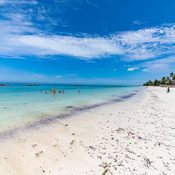
Scaling the Roof of Africa: Guide to Climbing Kilimanjaro 2026/2027 can also be followed by a trip to Zanzibar. After several days of walking through forests, rocky slopes, and high-altitude environments, relaxing beside the Indian Ocean can be the perfect change of pace.
Zanzibar offers beautiful beaches, warm water, cultural experiences, historic Stone Town, spice tours, snorkeling, diving, and opportunities to simply relax.
Scaling the Roof of Africa: Guide to Climbing Kilimanjaro 2026/2027 combined with Zanzibar gives you a holiday that includes adventure and relaxation. You can challenge yourself on the mountain and then enjoy peaceful days on the coast.
A Complete Tanzania Adventure
Scaling the Roof of Africa: Guide to Climbing Kilimanjaro 2026/2027 can become part of a complete Tanzania itinerary. Imagine starting your trip by exploring Moshi or Arusha, spending several days climbing Kilimanjaro, continuing into the Serengeti for wildlife viewing, visiting Ngorongoro, and finally relaxing in Zanzibar.
This kind of journey allows you to experience several sides of Tanzania in one trip. You experience the mountains, wildlife, culture, landscapes, and beaches.
Scaling the Roof of Africa: Guide to Climbing Kilimanjaro 2026/2027 is therefore not only suitable for mountain lovers. It can also be the foundation for a complete Tanzania holiday.
Responsible Tourism on Mount Kilimanjaro
Scaling the Roof of Africa: Guide to Climbing Kilimanjaro 2026/2027 should always promote responsible tourism. Kilimanjaro is a natural treasure, and every traveler has a role in helping protect it.
Do not leave rubbish on the mountain. Follow the instructions of your guide and park authorities. Avoid damaging plants or disturbing wildlife. Respect campsites and other trekkers.
Scaling the Roof of Africa: Guide to Climbing Kilimanjaro 2026/2027 also means respecting the mountain crews. Your guides, porters, and cooks are an important part of the trekking experience. Choosing an operator that takes crew welfare seriously is one way to support responsible tourism.
Respecting the People of Tanzania
Scaling the Roof of Africa: Guide to Climbing Kilimanjaro 2026/2027 is also a cultural journey. Tanzania is home to many communities, languages, traditions, and ways of life.
When you travel, take time to learn about the local culture. A simple greeting in Swahili can create a friendly connection, and showing respect toward local people can make your trip more meaningful.
Scaling the Roof of Africa: Guide to Climbing Kilimanjaro 2026/2027 is about more than seeing Tanzania. It is about experiencing Tanzania respectfully.

What to Expect Emotionally After Reaching the Summit
Scaling the Roof of Africa: Guide to Climbing Kilimanjaro 2026/2027 can have an emotional effect that continues after you return home. When you finally stand at Uhuru Peak, you may think about all the preparation that brought you there.
You may remember the first day when the mountain looked enormous. You may remember walking through the forest, climbing rocky trails, dealing with cold temperatures, and waking up early each morning.
Scaling the Roof of Africa: Guide to Climbing Kilimanjaro 2026/2027 becomes a personal story that you can share with friends and family for many years.
Why Kilimanjaro Is Worth the Challenge
Scaling the Roof of Africa: Guide to Climbing Kilimanjaro 2026/2027 is worth considering because it offers something that ordinary holidays cannot always provide. It challenges you physically and mentally while giving you the opportunity to experience one of Africa’s greatest natural landmarks.
The reward is not only the summit. The reward is the entire journey.
Scaling the Roof of Africa: Guide to Climbing Kilimanjaro 2026/2027 allows you to walk through forests, experience changing landscapes, sleep under African skies, meet mountain crews, watch the sunrise from high above the plains, and finally stand on the highest point in Africa.
Start Planning Your Kilimanjaro Trek for 2026/2027
Scaling the Roof of Africa: Guide to Climbing Kilimanjaro 2026/2027 should be the beginning of your preparation, not the end. Once you decide to climb, start planning early.
Think about the route you prefer, the number of days you can spend on the mountain, the time of year you want to travel, your physical preparation, and the other destinations you would like to visit in Tanzania.
Scaling the Roof of Africa: Guide to Climbing Kilimanjaro 2026/2027 becomes much easier when you have a clear plan. Early planning can also give you enough time to prepare your equipment and build your fitness gradually.
Why You Should Not Rush Your Kilimanjaro Adventure
Scaling the Roof of Africa: Guide to Climbing Kilimanjaro 2026/2027 is a journey that deserves time. It can be tempting to choose the shortest itinerary because it costs less or fits easily into a busy holiday schedule.
However, the mountain is not a place where speed should be the main goal. Giving yourself enough days can make the experience more enjoyable and can provide more opportunities for acclimatization.
Scaling the Roof of Africa: Guide to Climbing Kilimanjaro 2026/2027 should be about enjoying the journey rather than simply checking the summit off your travel list.
Final Conclusion: Scaling the Roof of Africa
Scaling the Roof of Africa: Guide to Climbing Kilimanjaro 2026/2027 is ultimately a story about courage, patience, preparation, and determination. Mount Kilimanjaro stands high above northern Tanzania, inviting travelers from around the world to experience its incredible landscapes and challenge themselves on the journey toward Uhuru Peak.
Scaling the Roof of Africa: Guide to Climbing Kilimanjaro 2026/2027 shows that climbing the mountain is possible for many reasonably prepared travelers, even without previous technical climbing experience. But Kilimanjaro should always be respected. The altitude, weather, long walking days, and summit night make proper preparation essential.
Scaling the Roof of Africa: Guide to Climbing Kilimanjaro 2026/2027 is about choosing the right route, giving yourself enough time to acclimatize, preparing your body, carrying appropriate equipment, listening to your guide, and understanding that every step matters.
From the moment you enter the rainforest, the mountain begins to change. The trees become smaller, the air becomes cooler, and the views become wider. You continue through the moorland and alpine desert until you eventually reach the cold and challenging summit zone.
Then comes summit night.
You leave camp in darkness, with your headlamp shining on the trail ahead. Your steps are slow. The air is thin. The temperature is cold. Your body is tired after several days of trekking. But somewhere ahead is Uhuru Peak.
You keep walking.
Scaling the Roof of Africa: Guide to Climbing Kilimanjaro 2026/2027 becomes real in those moments. It is no longer just a title on a travel website or a dream you have imagined at home. It becomes a personal challenge between you and the mountain.
Eventually, the darkness begins to disappear. The sky changes color. The first light of the morning reaches the horizon. You realize that you have climbed higher than you have ever climbed before.
And then you reach Uhuru Peak.
Standing at the highest point in Africa is a moment that can be difficult to describe. You may take photographs, celebrate with your guide, look across the mountain landscape, or simply stand quietly and enjoy the moment.
But the photograph you take at the summit will never tell the entire story.
The real story is the early morning when you started walking.
The real story is the rainforest.
The real story is the long hours on the trail.
The real story is the mountain crew encouraging you to continue.
The real story is the cold night.
The real story is the moments when you were tired but decided to take another step.
Scaling the Roof of Africa: Guide to Climbing Kilimanjaro 2026/2027 is therefore not simply a guide to climbing a mountain. It is an invitation to experience one of Tanzania’s greatest adventures.
If you are planning to visit Tanzania in 2026 or 2027, Mount Kilimanjaro can be the beginning of an unforgettable journey. You can climb the mountain, explore the Serengeti, discover Ngorongoro Crater, experience Tarangire National Park, meet local communities, and relax on the beaches of Zanzibar.
With proper planning, a suitable itinerary, experienced mountain guides, the right equipment, and a positive attitude, your dream of standing on the Roof of Africa can become a reality.
Book now through;
📧 Email: hello@epichorizonsadventures.com
📱 WhatsApp: +255 764 187 033