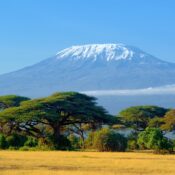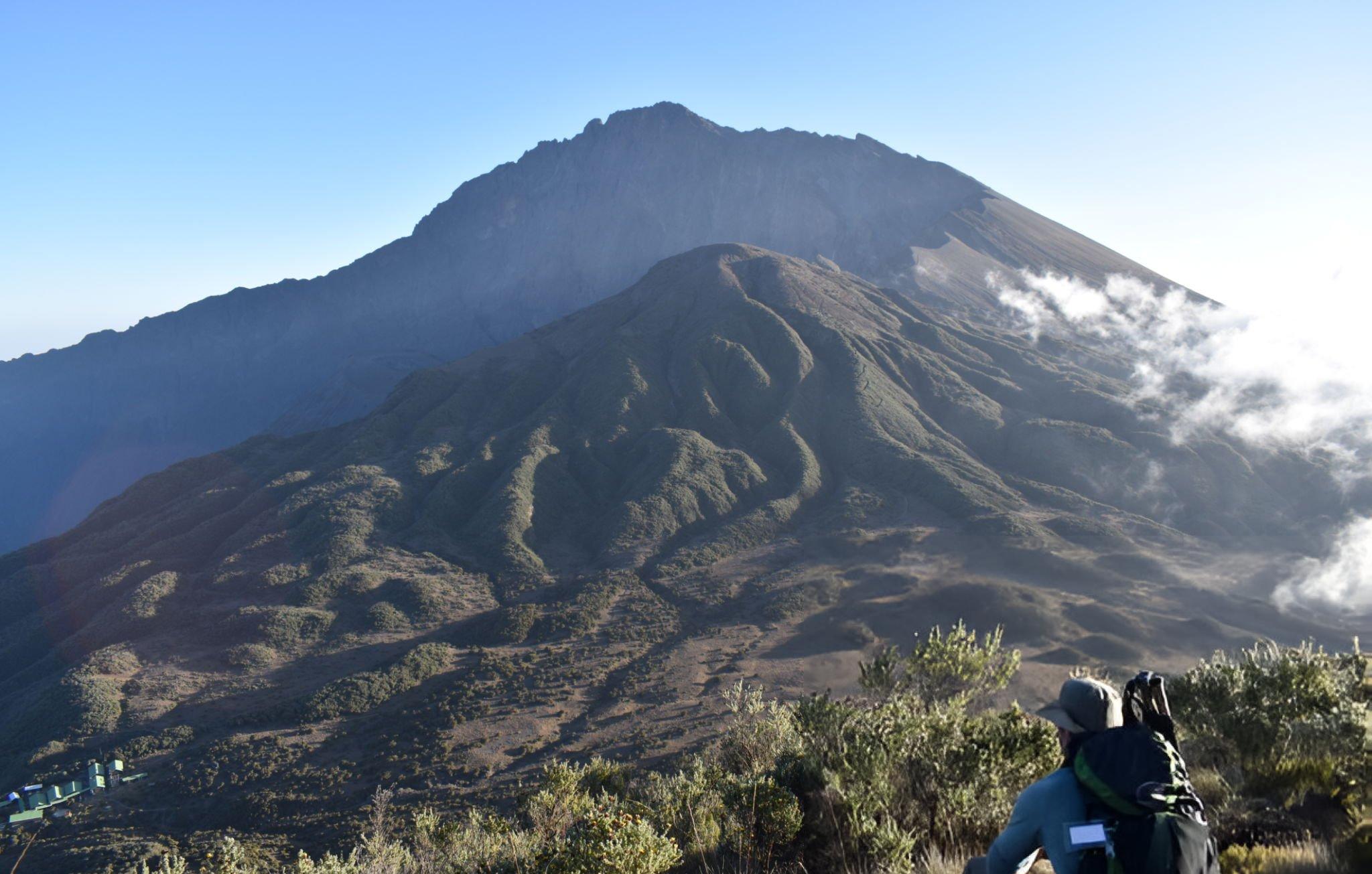
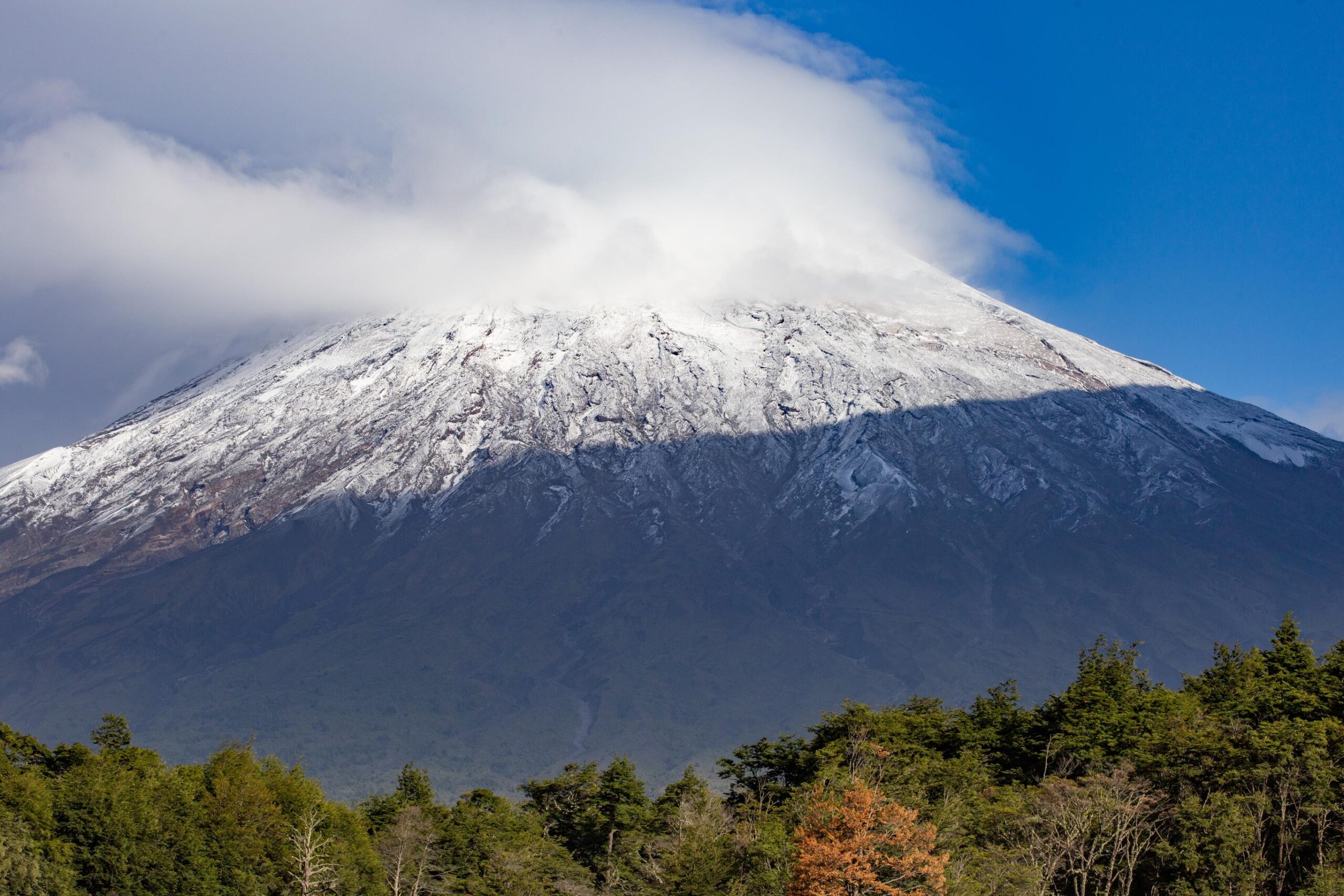
The Ultimate Guide to Traveling and Climbing Mount Kilimanjaro (2026–2028) Towering above the plains of northern Tanzania, Mount Kilimanjaro is more than just Africa’s highest mountain it’s a symbol of adventure, determination, and natural beauty. Rising to 5,895 meters (19,341 feet) at Uhuru Peak, Kilimanjaro is the tallest free-standing mountain in the world and one of the most sought-after trekking destinations on the planet.
Every year, thousands of travelers from around the globe come to Tanzania with one dream: standing on the Roof of Africa as the sun rises over a sea of clouds. Whether you’re an experienced hiker or a first-time trekker, climbing Mount Kilimanjaro is a life-changing journey that challenges your body, rewards your spirit, and creates memories that last forever.
If you’re planning your adventure in 2026, 2027, or 2028, this comprehensive guide will help you prepare for every step of your journey from choosing the best route and packing the right gear to understanding costs, weather, and what to expect on summit day.

The Ultimate Guide to Traveling and Climbing Mount Kilimanjaro (2026–2028):Why Visit Mount Kilimanjaro?
Mount Kilimanjaro is unlike any other mountain on Earth. Without needing technical climbing skills or mountaineering experience, ordinary travelers have the opportunity to reach one of the world’s most iconic summits.
But Kilimanjaro isn’t only about reaching the top. The journey itself is extraordinary.
Within a week, you’ll walk through lush tropical rainforests filled with birds and monkeys, cross vast alpine deserts shaped by volcanic activity, and finally reach snow-covered glaciers that seem almost impossible to find so close to the equator.
The Ultimate Guide to Traveling and Climbing Mount Kilimanjaro (2026–2028):Where Is Mount Kilimanjaro?
Mount Kilimanjaro is located in northeastern Tanzania, near the Kenyan border. It lies within Kilimanjaro National Park, a UNESCO World Heritage Site renowned for its unique ecosystems and exceptional biodiversity.
The nearest gateway town is Moshi, while Arusha is another popular starting point for travelers combining a Kilimanjaro climb with a Tanzania safari.
The closest airport is Kilimanjaro International Airport (JRO), which offers convenient connections from major cities in Africa, Europe, and the Middle East.
The Ultimate Guide to Traveling and Climbing Mount Kilimanjaro (2026–2028):How High Is Mount Kilimanjaro?
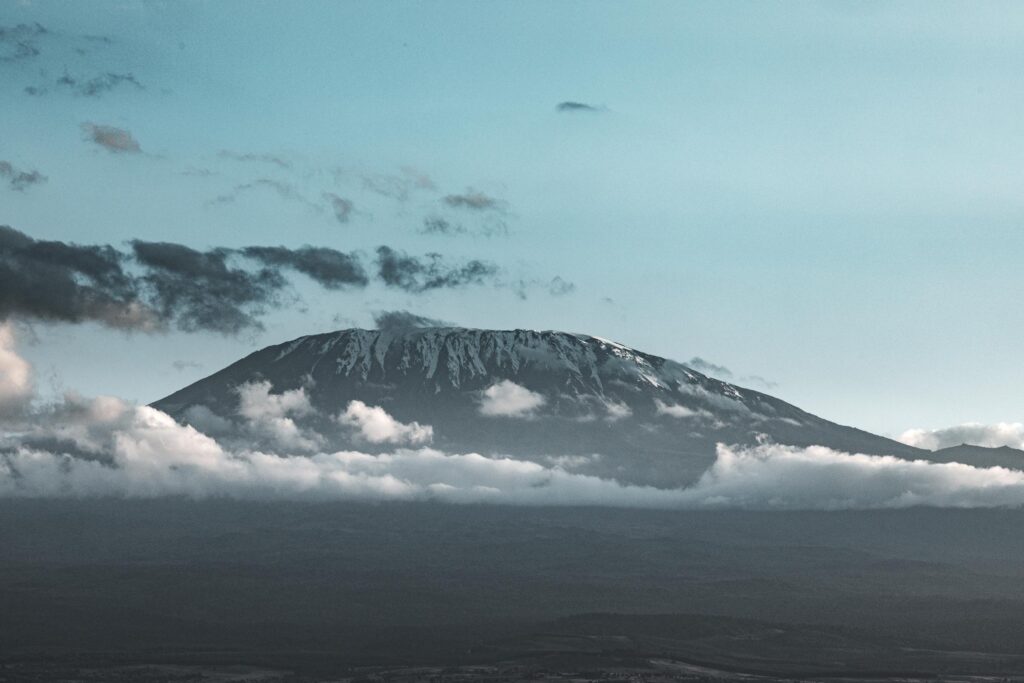
Mount Kilimanjaro reaches 5,895 meters (19,341 feet) above sea level at Uhuru Peak, making it:
- Africa’s highest mountain
- The world’s tallest free-standing mountain
- One of the famous Seven Summits
- Tanzania’s most iconic natural landmark
Despite its impressive height, Kilimanjaro is considered a trekking mountain rather than a technical climbing peak.
The Ultimate Guide to Traveling and Climbing Mount Kilimanjaro (2026–2028):Best Time to Climb Mount Kilimanjaro (2026–2028)
Although Kilimanjaro can be climbed throughout the year, choosing the right season can greatly improve your experience.
January to March
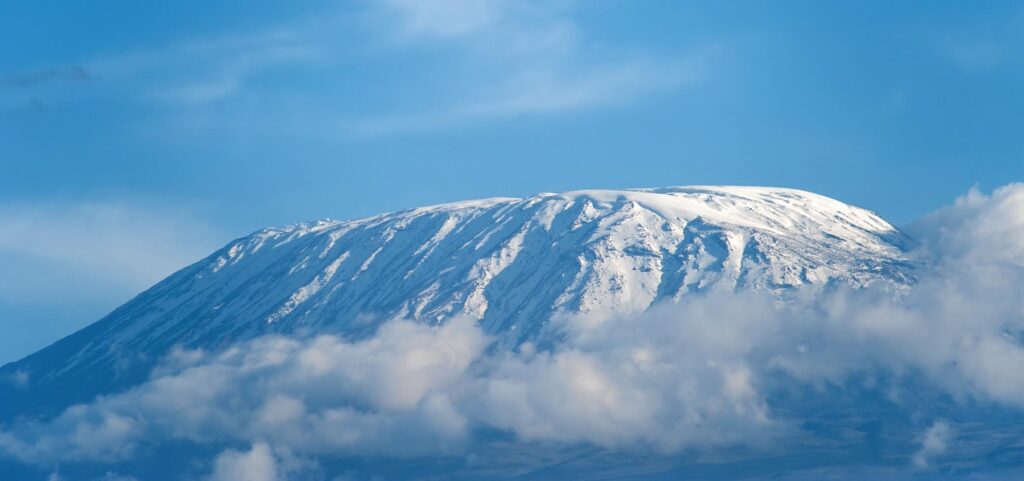
This period offers cooler temperatures and fewer crowds. Snow is more likely near the summit, creating spectacular landscapes for photographers.
Ideal for:
June to October
This is the most popular climbing season.
Travelers enjoy:
- Dry weather
- Clear skies
- Excellent visibility
- Higher summit success rates
November
The short rainy season brings wetter trails and occasional afternoon showers. While climbs are still possible, weather conditions can be less predictable.
December
The holiday season attracts climbers from around the world. Weather is generally favorable, making it a popular time for festive adventures.
The Ultimate Guide to Traveling and Climbing Mount Kilimanjaro (2026–2028):Choosing the Best Kilimanjaro Route
Every route reaches Uhuru Peak, but each offers a different experience.
Lemosho Route (7–8 Days)
Often considered the best overall route.
Advantages:
- Excellent acclimatization
- Beautiful scenery
- High summit success rate
- Fewer crowds during the early days
Machame Route (6–7 Days)
Known as the “Whiskey Route,” Machame combines dramatic scenery with good acclimatization.
Rongai Route (6–7 Days)
Approaches Kilimanjaro from the northern side near Kenya.
Benefits include:
Northern Circuit (8–9 Days)
The longest route on Kilimanjaro.
Marangu Route (5–6 Days)
The only route offering mountain huts instead of tents.
The Ultimate Guide to Traveling and Climbing Mount Kilimanjaro (2026–2028):Is Climbing Kilimanjaro Difficult?
The biggest challenge isn’t steep terrain.
It’s altitude.
As you climb higher, oxygen levels decrease, making even simple tasks feel more demanding.
The secret to success isn’t speed.
It’s patience.
Experienced mountain guides encourage climbers to walk slowly, drink plenty of water, eat well, and allow the body time to adapt.
The Ultimate Guide to Traveling and Climbing Mount Kilimanjaro :Preparing for Your Climb
Good preparation makes a significant difference.
Begin training at least three months before your trip.
Focus on:
- Long-distance walking
- Hill hiking
- Stair climbing
- Cardiovascular fitness
- Strength training
- Flexibility
The Ultimate Guide to Traveling and Climbing Mount Kilimanjaro: Essential Packing List
Packing wisely is one of the keys to a successful climb.
Must-have items include:
- Waterproof hiking boots
- Down jacket
- Thermal clothing
- Waterproof jacket and trousers
- Hiking trousers
- Warm hat
- Gloves
- Neck gaiter
- Headlamp
- Sunglasses
- Sunscreen
- Trekking poles
- Sleeping bag rated for cold temperatures
- Water bottles or hydration bladder
- Personal first aid kit
The Ultimate Guide to Traveling and Climbing Mount Kilimanjaro : Understanding Altitude Sickness
Altitude affects everyone differently, regardless of age or fitness level.
Common symptoms include:
- Headache
- Fatigue
- Nausea
- Dizziness
- Loss of appetite
Professional guides monitor climbers carefully and perform regular health checks throughout the expedition.
The Ultimate Guide to Traveling and Climbing Mount Kilimanjaro: Summit Night: The Final Push
For many climbers, summit night becomes the defining moment of the entire adventure.
Around midnight, you leave high camp under a sky filled with stars.
Your headlamp illuminates the rocky trail as temperatures drop well below freezing.
Every step requires determination.
Hours later, you reach Stella Point.
Soon after comes the final stretch to Uhuru Peak.
As dawn breaks across Africa, golden sunlight touches the glaciers, and endless clouds stretch beneath your feet.
The Ultimate Guide to Traveling and Climbing Mount Kilimanjaro : Wildlife Around Mount Kilimanjaro
Although the summit is a barren alpine environment, Kilimanjaro’s lower slopes are rich in wildlife.
You may encounter:
- Blue monkeys
- Black-and-white colobus monkeys
- Bushbucks
- Duikers
- Giant forest trees
- Colorful tropical birds
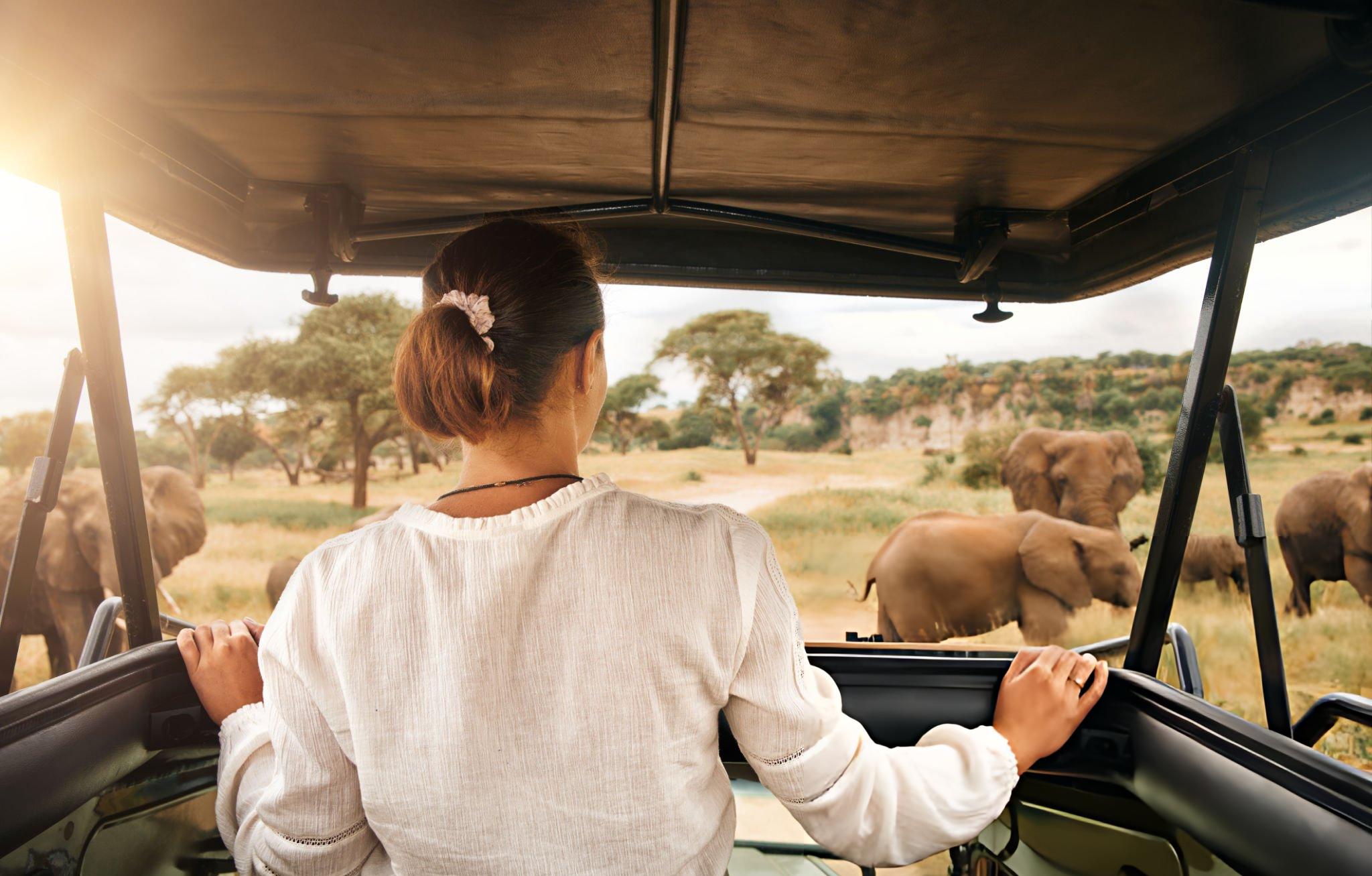
Combining Kilimanjaro with a Tanzania Safari
Many visitors extend their trip with a safari after completing their climb.
Popular destinations include:
- Serengeti National Park
- Ngorongoro Crater
- Tarangire National Park
- Lake Manyara National Park
After days of trekking, relaxing on safari provides the perfect balance between adventure and wildlife.
The Ultimate Guide to Traveling and Climbing Mount Kilimanjaro : Travel Tips for 2026–2028
To make your Kilimanjaro adventure as smooth as possible:
- Book your climb several months in advance, especially during peak seasons.
- Choose a reputable operator with experienced mountain guides.
- Purchase comprehensive travel insurance that covers high-altitude trekking.
- Arrive in Tanzania at least one or two days before your climb to recover from travel.
- Stay hydrated from the moment you land.
- Respect the mountain, local culture, and the hardworking guides and porters who make every expedition possible.
The Ultimate Guide to Traveling and Climbing Mount Kilimanjaro :Frequently Asked Questions
Do I need climbing experience?
No. Kilimanjaro is a trekking mountain suitable for beginners with good preparation.
How many days does the climb take?
Most itineraries range from six to nine days, depending on the route.
What is the summit success rate?
Success depends largely on the route chosen, acclimatization, weather conditions, and following your guide’s advice. Longer itineraries generally have higher success rates.
Is Mount Kilimanjaro safe?
Yes. When climbing with a licensed operator, following safety procedures, and allowing enough time for acclimatization, Kilimanjaro is considered a safe adventure destination.
Can I climb alone?
The Ultimate Guide to Traveling and Climbing Mount Kilimanjaro (2026–:2028)Final Thoughts
A journey to Mount Kilimanjaro is more than a holiday it’s an experience that stays with you long after you’ve returned home.
You’ll remember the laughter around camp, the encouragement from your guides, the quiet beauty of the rainforest, and the unforgettable moment when the first rays of sunlight reveal Africa stretching endlessly below.
Whether your goal is to challenge yourself, celebrate a milestone, or simply explore one of the world’s greatest natural wonders, climbing Mount Kilimanjaro is an adventure unlike any other.
As you stand at Uhuru Peak, surrounded by glaciers and clouds, you’ll understand why so many people describe reaching the Roof of Africa as one of the greatest achievements of their lives.
If you’re planning your climb in 2026, 2027, or 2028, there’s no better time to begin preparing for the journey. Tanzania’s iconic mountain is waiting to welcome you one step at a time.